

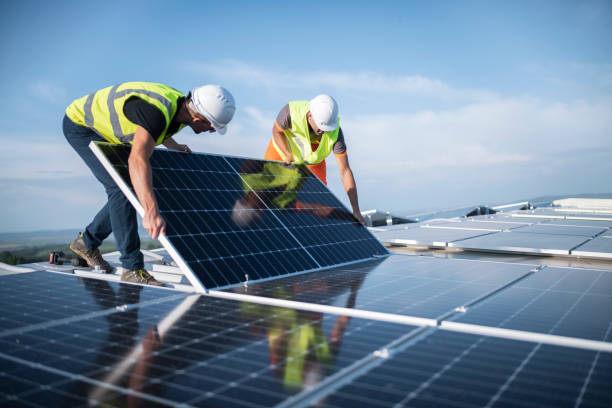
Running a business means making constant decisions about where to invest and where to cut costs. One expense that quietly grows year after year is electricity. In Phoenix and across Arizona, keeping buildings powered, cooled, and operational is no small task. This is exactly why commercial rooftop solar has become one of the smartest long-term investments for Arizona businesses.
Many owners assume solar is expensive or complicated. I used to hear that all the time. But once you look past the upfront number and focus on lifetime savings, stability, and tax benefits, solar starts to feel less like a risk and more like a missed opportunity if you wait too long.
Why Solar Power Is a Smart Investment for Arizona Businesses
Solar energy has earned a reputation for being both practical and profitable when installed correctly. Phoenix alone averages over 300 sunny days per year, which means commercial solar systems here often outperform identical systems in other states.
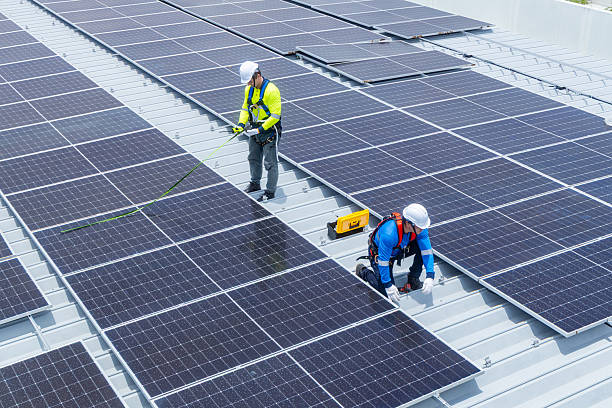
Working with an experienced Arizona solar contractor makes all the difference. Local installers understand heat exposure, dust buildup, utility requirements, and how to design systems that perform consistently in extreme summer conditions.
As Warren Buffett once said, “Price is what you pay. Value is what you get.” That quote fits commercial solar perfectly.
5 Ways Commercial Rooftop Solar Cuts Energy Costs
1. Immediate Reduction in Operating Expenses
The moment your system is turned on, your business begins producing its own electricity. Most commercial operations use the most power during daytime hours, which happens to be when solar systems perform best.
This reduces reliance on utility providers during peak demand periods and helps avoid demand charges that can quietly inflate monthly bills.
2. Net Metering and Energy Credits
When your system produces more energy than your building needs, that excess power is sent back to the grid. Your business receives credits that offset future electricity usage.
In Arizona’s high-sun environment, this benefit adds up quickly and helps smooth seasonal fluctuations in energy use.
3. Self-Sufficiency for Large Facilities
Warehouses, manufacturing plants, and large offices often benefit from partial or full energy independence. Off-grid or hybrid systems allow businesses to reduce exposure to outages, rate hikes, and grid instability.
For remote or industrial locations, this is not just a convenience. It can protect productivity and revenue.
4. Stable Energy Costs for Long-Term Planning
Utility rates are unpredictable. Inflation, fuel costs, and infrastructure challenges continue to push prices upward.
Once your rooftop solar system is installed, your energy costs become predictable. The sun does not raise rates, and that consistency helps with budgeting and long-term planning.
5. Tax Incentives and Financial Benefits
Federal incentives remain one of the strongest arguments for commercial solar adoption. Businesses can significantly reduce upfront costs and improve cash flow in the early years of ownership.
Solar also qualifies for property tax exemptions in Arizona, meaning your building value increases without increasing your tax burden.
Buying vs Leasing Commercial Solar Systems
Leasing solar may seem attractive because it lowers initial costs, but it limits long-term benefits. When you lease, another company owns the system. That means they collect the tax credits, depreciation benefits, and much of the savings.
Owning your system delivers the strongest ROI. It allows your business to capture energy savings, incentives, and increased property value over time.
Why Arizona Businesses Are Ideal Candidates for Commercial Solar
Arizona businesses are uniquely positioned to benefit from solar energy.
- High solar irradiance allows systems to generate more power than the national average
- Rising utility rates make solar a powerful hedge against future increases
- Local installers like Watt Masters design systems built for extreme heat and dust
Solar here is not experimental. It is proven.
Commercial Solar Incentives and Financing Options in Arizona
Solar has become more accessible thanks to a mix of federal programs and flexible financing options.
- Federal Investment Tax Credit allows businesses to claim 30 percent of total system costs
- Accelerated depreciation through MACRS reduces taxable income
- Utility programs may offer net billing or performance credits
- Financing options include direct purchase, loans, and PPAs
A knowledgeable installer will handle the paperwork and maximize every available incentive.
Costs, Savings, and ROI for Commercial Solar in Phoenix
Costs vary based on system size and building type, but Arizona remains one of the most competitive solar markets.
- Typical commercial systems range from $2.50 to $3.50 per watt before incentives
- Incentives often reduce costs by 40 to 60 percent
- Many businesses see payback within 5 to 8 years
- Systems continue producing energy for 25 years or more
Over time, savings can reach hundreds of thousands of dollars.
Real-World Examples: Arizona Businesses Thriving with Rooftop Solar
Arizona businesses across multiple industries have already made solar work for them.
- La Posada Hotel in Winslow installed a 73.92 kW rooftop system while preserving historic architecture
- Happy Jack Lodge & RV Resort operates on a 100 kW system in a high-sun foothill location
- Block-Lite Manufacturing became Flagstaff’s first solar-powered manufacturer
These projects prove solar adapts to hospitality, manufacturing, and recreation alike.
Beyond Cost Savings: Additional Benefits for Arizona Businesses
Solar delivers value beyond your utility bill.
- Battery storage adds resilience during outages
- Solar panels enhance brand reputation and customer trust
- Solar-equipped buildings often appraise higher
- Energy independence protects against rate volatility
For many companies, solar becomes part of their identity.
Calculating Your Potential Savings
Every business is different, but typical Arizona results look like this:
- System sizes between 100 and 500 kW
- 70 to 95 percent reduction in electricity costs
- Payback in under 8 years
- Strong returns over 25 years
A site-specific assessment delivers the most accurate projections.
Choosing the Right Rooftop Solar Partner in Arizona
Experience matters. Look for:
- Proven commercial solar systems installation
- NABCEP certification
- Turnkey services including design and permitting
- Long-term maintenance support
The installer you choose impacts performance for decades.
Be Budget-Smart and Environmentally Responsible
Switching to commercial solar is not just about sustainability. It is about control. Control over costs, energy production, and long-term financial stability.
Once installed, your system works quietly in the background, turning sunlight into savings day after day.
Frequently Asked Questions
Commercial systems can reduce energy bills by up to 95 percent depending on system size and usage patterns.
Most Arizona businesses see payback in 4 to 10 years depending on incentives and electricity rates.
No. Arizona’s Energy Equipment Property Tax Exemption prevents solar from increasing assessed property value.
Leasing lowers upfront costs but eliminates tax benefits and long-term savings. Ownership delivers stronger ROI.
Final Thoughts
Commercial rooftop solar is no longer a future idea. It is a present-day advantage for Arizona businesses that want predictable costs, stronger margins, and a sustainable reputation.
If you are curious, the smartest next step is a professional assessment. Numbers make decisions easier.
Reach out to Watt Masters and see what solar can realistically do for your business in Phoenix and beyond.