

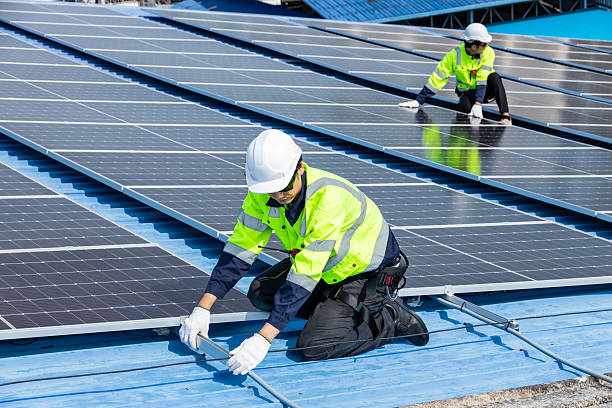
The best commercial solar solutions in Phoenix include rooftop solar systems, ground-mount arrays, solar carports, and battery storage. These systems reduce energy costs, offset demand charges, and provide long-term ROI. With over 300 sunny days per year, Phoenix businesses often see payback within 4 to 7 years when combining solar with incentives and smart system design.
It’s been years since solar energy was just a “nice idea.” Today, for businesses in Phoenix, it’s a serious financial strategy.
We’ve seen it firsthand. Companies that used to treat electricity as a fixed expense are now turning their buildings, parking lots, and land into power-generating assets. And in Arizona, where the sun doesn’t take days off, that shift makes even more sense.
That said, going solar isn’t something you want to rush into. It’s a big investment, and choosing the right setup and the right partner makes all the difference.
Why Phoenix Businesses Are Leading the Commercial Solar Boom in 2026
Phoenix isn’t just sunny. It’s one of the most solar-efficient markets in the country.
With over 300 days of sunshine each year, commercial systems here produce more energy per panel than in most states. That means faster payback and stronger long-term returns.
At the same time, APS and SRP utility rates continue to climb, especially with demand charges during peak cooling hours. For many businesses, that’s the tipping point.
Solar gives you control.
- Lower and more predictable energy costs
- Protection from rate increases
- Strong ESG positioning and brand perception
- Better use of existing space like rooftops and parking lots
Solar Infrastructure
There’s a lot more to commercial solar than just putting panels on a roof.
Every project comes with its own challenges. Different buildings, different energy needs, different layouts. That’s where proper design and engineering come into play.
Custom Arrays for Rooftops
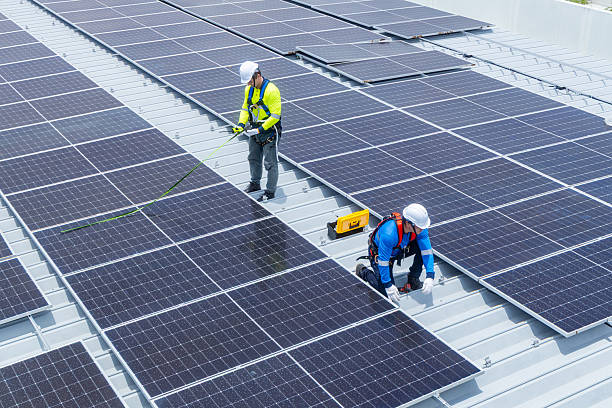
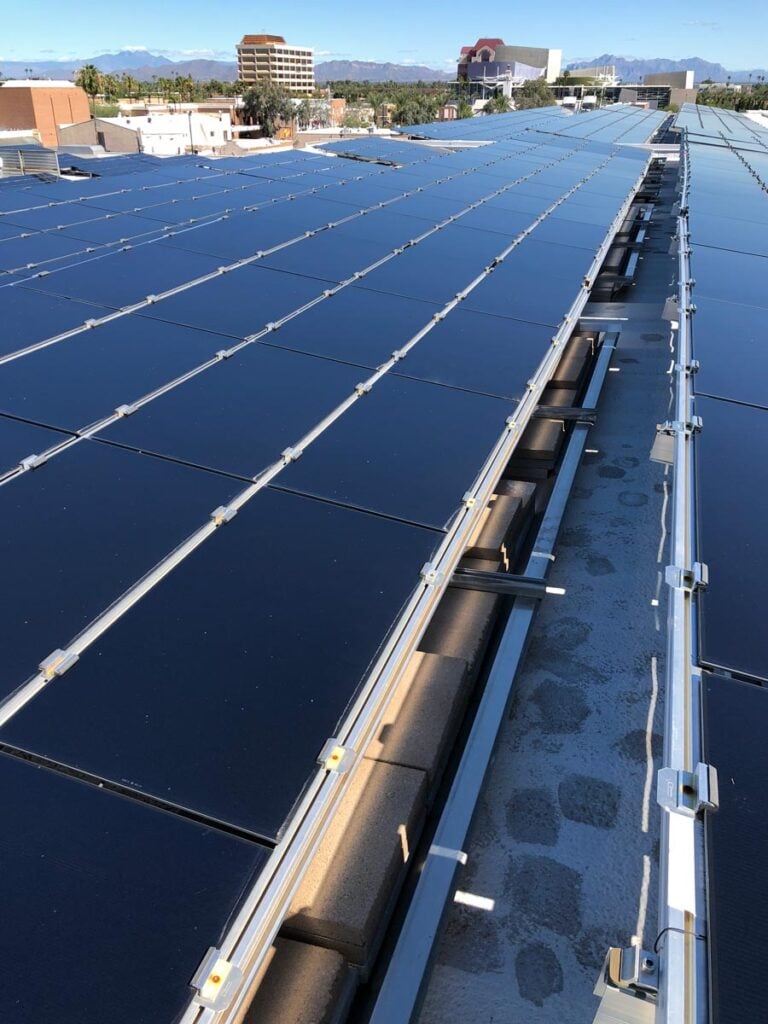
For large buildings, rooftop solar is often the most straightforward option.
It doesn’t require additional land, and installation is typically more cost-effective than other system types. But the real advantage is customization.
You can optimize:
- Panel tilt and orientation
- Electrical layout
- System size and scalability
For warehouses and industrial buildings, rooftop solar turns unused space into a serious revenue driver.
There’s also a side benefit people don’t talk about enough. Panels help shade the roof, which can reduce heat transfer and lower cooling costs. In Phoenix, that matters more than you’d think.
Other Options
Not every property is a perfect fit for rooftop solar, and that’s where other solutions come in.
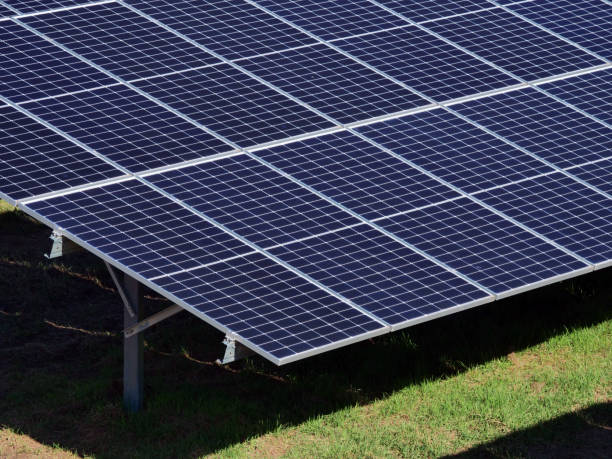
Ground-mounted systems
Ideal for properties with available land. These systems offer excellent scalability and easier maintenance access.
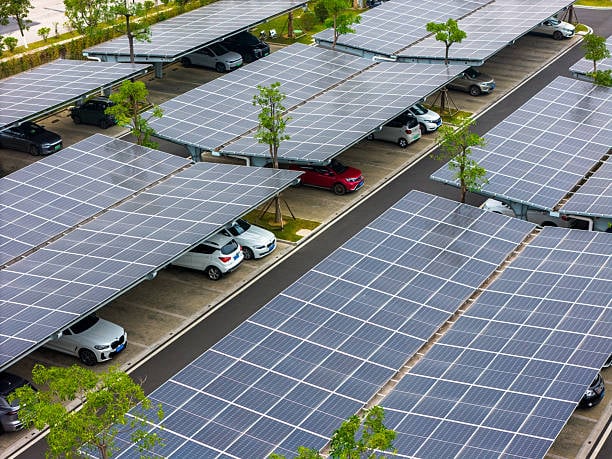
Solar carports and canopies
A favorite for commercial properties with large parking lots. They provide shade for vehicles while generating power at the same time. It’s one of the few upgrades that both employees and customers notice immediately.
2026 Commercial Solar Incentives and Rebates for Arizona Businesses
One of the biggest advantages of going solar right now is the stack of available incentives.
Phoenix businesses can take advantage of:
- 30% Federal Investment Tax Credit (ITC)
- Arizona commercial solar tax credit (up to $50,000 annually)
- Sales tax exemption on solar equipment
- Property tax exemption on added system value
- MACRS accelerated depreciation
APS and SRP now use net billing instead of traditional net metering. That means exporting energy back to the grid pays less than it used to.
Because of that, systems designed for on-site consumption and battery storage deliver the best financial results.
Real-World ROI and Payback for Phoenix Commercial Solar
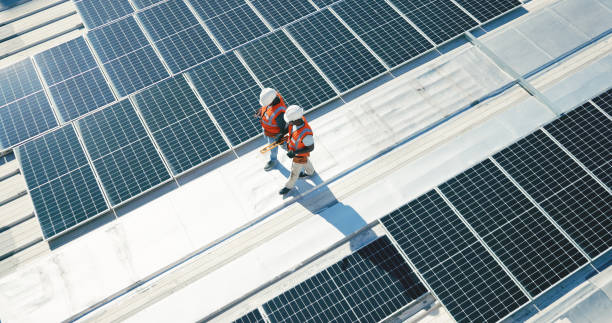
A typical Phoenix commercial system:
- Cost: $250,000 to $350,000 (before incentives)
- Net cost after incentives: often reduced by 40% or more
- Annual savings: $25,000 to $45,000+
- Payback: usually 4 to 7 years
After that, you’re generating power at a fraction of what the utility charges for the next 20+ years.
Businesses with high daytime usage, like warehouses, offices, and retail centers, usually see the fastest returns.
Proven Phoenix Success Stories
You don’t have to look far to see this working.
We’ve seen local businesses install solar and cut their energy bills in half almost immediately. One manufacturing facility added rooftop solar and battery storage and reached full payback in under five years.
Another retail property installed solar carports. Not only did it reduce demand charges, but customers actually preferred parking there because of the shade.
That’s the kind of practical benefit that goes beyond spreadsheets.
Energy Storage Systems (ESS)
Solar alone is powerful. Solar plus storage is where things really change.
Peak Shaving
If you’ve ever looked closely at a commercial electric bill, you’ve probably noticed demand charges.
These are based on your highest energy usage at a single point in time, not your total usage.
Battery storage lets you pull from stored solar energy during those peak periods, reducing demand charges and lowering your bill significantly.
Continuous Access to Power
For businesses like data centers, medical facilities, or cold storage, downtime isn’t an option.
Battery systems provide backup power during outages or grid instability. Even a short window of backup power can prevent major losses.
2026 Technology Built for Arizona’s Climate
Solar technology has come a long way, especially for extreme environments like Phoenix.
Modern systems now include:
- Bifacial panels that capture reflected sunlight
- Heat-resistant cells designed for 110°F+ temperatures
- Smart inverters that automatically optimize performance
- AI-driven monitoring systems that detect issues early
Dust, heat, and monsoon conditions are real challenges here. The right system is designed specifically to handle them.
Solar Installations: EPC and Maintenance
Even the best system design won’t perform without proper execution.
That’s where a strong EPC partner comes in.
Engineering, procurement, and construction services bring everything under one roof. No juggling multiple vendors. No gaps in accountability.
Monitoring systems track performance in real time, while scheduled maintenance keeps everything running efficiently. In Phoenix, regular cleaning alone can make a noticeable difference in output.
How to Choose the Right Commercial Solar Partner in Phoenix
Not all commercial solar installation company in 2026 are built for commercial work.
When evaluating providers, look for:
- Full EPC capabilities (not pieced together services)
- Experience with commercial-scale systems
- Knowledge of APS and SRP interconnection
- Proven ability to design for Arizona heat and dust
- Ongoing maintenance and monitoring support
A good partner doesn’t just install panels. They help you maximize long-term performance and ROI.
The Installation Is Just the Beginning
Switching to solar isn’t just about going green. It’s about making a smart, long-term business decision.
When done right, it reduces costs, improves stability, and creates a real competitive advantage.
If your property has the space or the energy demand, it’s worth exploring.
A quick site assessment can tell you exactly what’s possible.
FAQs
Yes, and it’s becoming more common in Phoenix. Solar carports can power EV chargers, giving employees and customers access to clean, on-site charging while adding another layer of value to your property.
Demand charges are based on your highest energy usage during a billing period, not total usage. Solar with battery storage can reduce these peaks, which often leads to significant savings.
Both can reduce efficiency over time. Dust buildup can block sunlight, and high temperatures can impact panel performance. Regular cleaning and system checks help maintain output.
Maximize incentives, design your system for high on-site usage, and consider adding battery storage. These strategies can shorten payback and increase long-term savings.
Most systems benefit from cleaning 2 to 4 times per year due to dust and debris. High-traffic or industrial areas may require more frequent service.