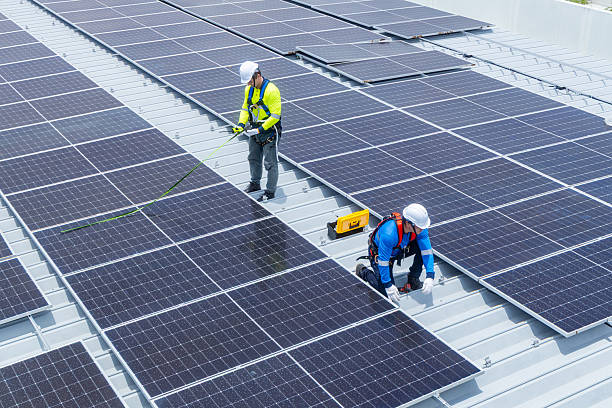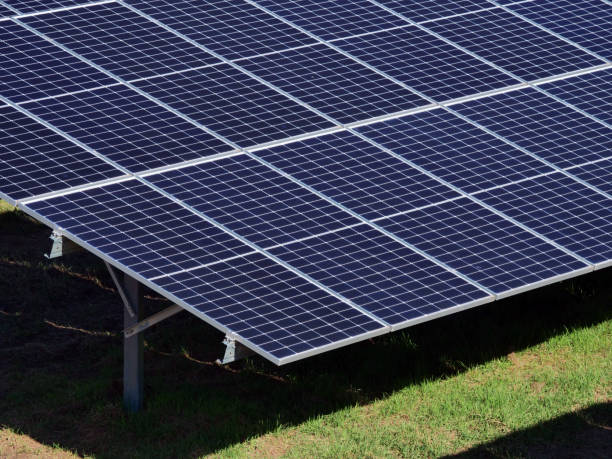

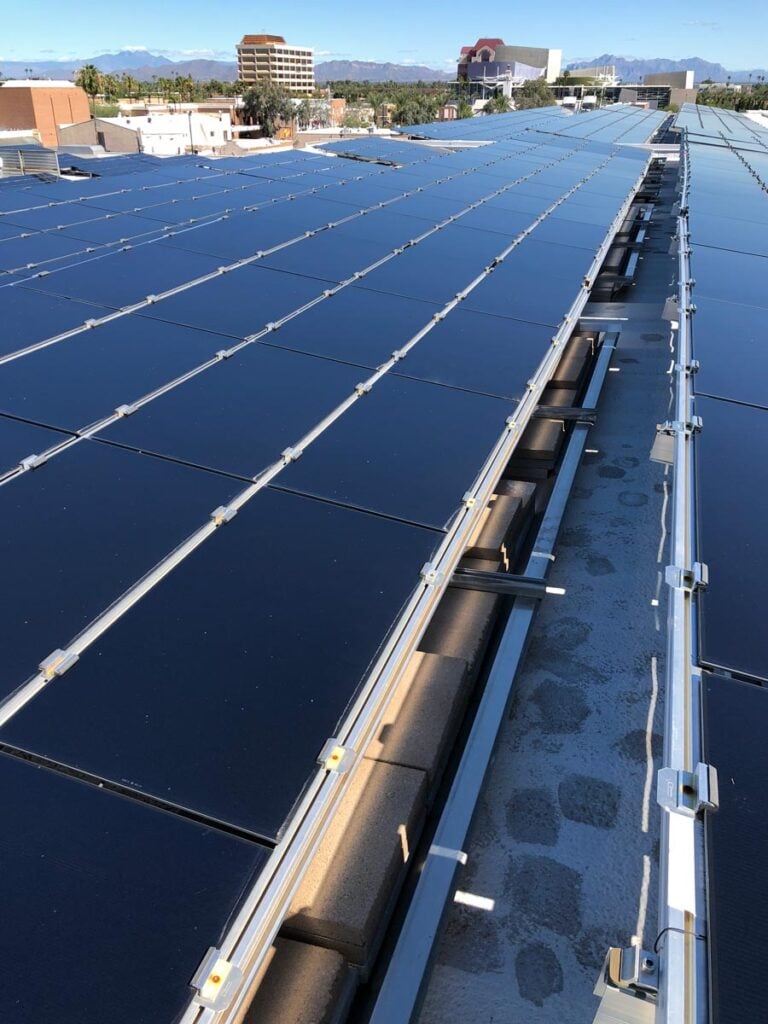


Phoenix businesses should begin planning commercial solar installations in Q1, ideally between January and March. Most projects take 3 to 6 months from design to approval, so early planning ensures systems are operational before peak summer energy demand and high utility costs.
Once you’ve partnered with a solid, experienced commercial solar installation company in Phoenix, things should move smoothly. But let’s be honest for a second. A commercial solar project is still a big move. There’s money on the line, timelines to hit, and your building’s energy needs to keep running without interruption.
We’ve seen businesses rush into it and regret it. We’ve also seen others plan ahead and absolutely crush their ROI.
If you’re in Phoenix, timing isn’t just important. It’s everything.
Why Timing Matters in Phoenix
Phoenix summers are no joke. Once May hits, temperatures climb fast, and by June and July, energy usage spikes across the board.
Air conditioning becomes your biggest expense overnight.
That’s why planning ahead matters.
If your system is up and running before peak summer, you’re offsetting the most expensive energy months of the year. If not, you’re stuck paying high utility bills while waiting on permits or installation slots.
How Planning Ahead Helps Your Business
A lot of businesses think about solar when they see their summer power bills. It makes sense, but by then, it’s usually too late.
Installers are booked out. Equipment is harder to get. Timelines stretch.
The smarter move is starting early.
- Begin planning in Q1 (January through March)
- Lock in your EPC partner before demand spikes
- Secure equipment before supply chain pressure hits
- Complete site inspections and design without delays
We’ve worked with Phoenix businesses that waited until June to start. Most didn’t go live until fall. That’s an entire summer of missed savings.
The Solar Installation Timeline: An Overview
A commercial solar project isn’t just installation. It’s a coordinated process handled through an EPC partner who manages everything from design to execution.
Here’s how it typically breaks down in Phoenix:
Roofing Assessment
The process starts with evaluating your roof or site.
Engineers check:
- Structural integrity
- Available space
- Wind resistance
- Load capacity
This step ensures your building can safely support the system long term.
Permitting
Permits take time, and they’re not something you want to rush.
In Phoenix and surrounding areas:
- Expect at least 2 to 6 weeks for approvals
- Reviews cover electrical and structural safety
- Rushing this step can lead to costly delays or compliance issues
Utility Interconnection
This is where APS or SRP comes in.
- Timeline: typically 4 to 8 weeks
- Outcome: Permission to Operate (PTO)
Without PTO, your system cannot go live.
If you want your system running before peak summer, design and submission should start no later than February.
Installation and Activation
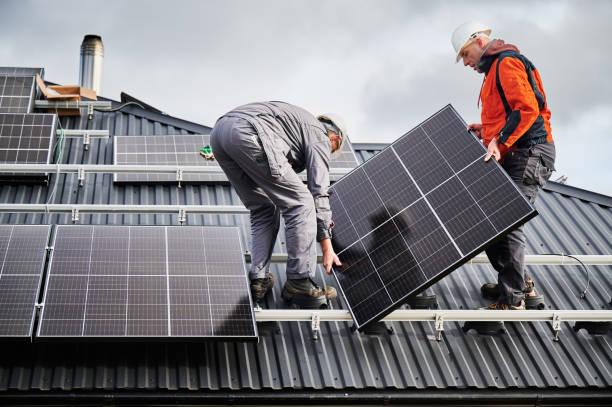
Once approvals are in place, installation moves quickly.
- Most commercial installs take 1 to 2 weeks
- Panel mounting often completed in a few days
- Final inspections and activation follow
Total Timeline
From contract to PTO:
- 3 to 6 months on average in Phoenix
That’s why early planning isn’t optional. It’s the difference between saving money this summer or next.
Federal and Arizona Solar Incentives for 2026
Timing also impacts your financial incentives.
Phoenix businesses still have access to strong tax advantages, but deadlines matter.
- Federal Investment Tax Credit (ITC): 30 percent
- Must begin construction by mid-2026 to qualify fully
- Covers panels, inverters, labor, and installation
Arizona adds even more value:
- 10 percent state commercial solar tax credit
- Sales tax exemption on solar equipment
- No property tax increase from added system value
MACRS depreciation also allows businesses to recover system costs over time, with bonus depreciation continuing to phase down.
When combined, incentives can reduce total system cost by 40 to 60 percent.
Realistic Commercial Solar Timeline in Phoenix
Based on actual APS and SRP projects, here’s what businesses should expect:
Planning and Design: 2 to 4 weeks
Site evaluation, energy analysis, system design
Permitting: 3 to 6 weeks
City approvals and compliance checks
Utility Interconnection: 4 to 8 weeks
APS or SRP review and PTO
Installation: 1 to 2 weeks
Mounting, wiring, testing, activation
This is why starting early in the year gives you a huge advantage.
Other Considerations for Phoenix Businesses
best commercial solar solutions in Arizona isn’t just about sunlight. It’s about managing heat, dust, and performance over time.
High temperatures can reduce panel efficiency. That’s where panel selection matters.
Look for panels with a strong temperature coefficient rating. The lower the loss per degree, the better your system performs during peak summer heat.
Also consider:
- Placing inverters in shaded or ventilated areas
- Designing systems for airflow to reduce heat buildup
- Planning for regular cleaning due to dust accumulation
We’ve seen systems lose noticeable output simply from dust buildup. Maintenance is not optional here.
Real Phoenix Example: What This Looks Like in Practice
One Phoenix-area warehouse we worked with installed a mid-size rooftop system ahead of summer.
Within the first year:
- Utility bills dropped significantly during peak months
- Incentives covered a large portion of upfront costs
- Payback was projected in under five years
That’s not unusual in this market. It’s actually becoming the norm.
How to Choose the Right Solar EPC Partner in Phoenix
Not all solar companies are built for commercial work in Arizona.
You want a partner who understands:
- APS and SRP interconnection processes
- Phoenix permitting requirements
- Heat and dust-related system design
- Commercial-scale project execution
Look for:
- Proven commercial experience
- In-house engineering and installation teams
- Clear timelines and communication
- Strong warranties and ongoing support
The right partner makes the entire process smoother and more predictable.
The Perks of Diligent Planning
Solar isn’t just an upgrade. It’s a long-term investment.
When planned correctly, it delivers:
- Lower operating costs
- Protection from rising energy rates
- Strong ROI over time
- Improved sustainability positioning
More importantly, it avoids unnecessary delays and missed opportunities.
FAQ
No. Arizona law exempts the added value of solar systems from property tax assessments.
Most planning and design phases take 2 to 4 weeks, but full timelines including permits and approvals extend beyond that.
Yes. Both utilities require review and approval before your system can connect to the grid.
Most projects take 3 to 6 months from contract to full operation.
To qualify for the full 30 percent federal tax credit, projects typically need to begin construction by mid-2026. It’s best to confirm with a tax professional.