

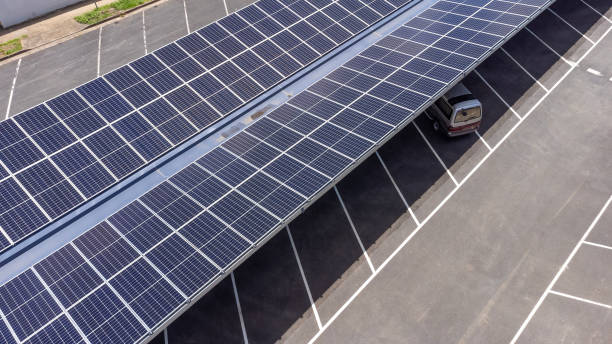
Solar carports are one of those ideas that just makes sense in Phoenix.
You already have the sun. You already have the parking lot. You already have customers, employees, or fleet vehicles baking in the heat. Why not turn that same harsh sunlight into clean energy while giving people a cooler place to park?
That’s the real advantage.
For commercial properties in Arizona, solar carports and canopies do double duty. They provide shade where people actually feel it, and they generate power where businesses can actually use it.
A Necessity for Arizona Businesses
Carports have become more common across urban, suburban, commercial, and even rural properties. In some states, they might feel like a nice extra.
In Phoenix, they feel a lot closer to common sense.
The Arizona sun is unforgiving. Temperatures over 105°F are normal in summer, and a vehicle parked in direct sun can become brutally hot in less than an hour.
Inside a car parked in the Phoenix sun:
- Cabin temperatures can reach 116°F or higher
- Dashboards can climb above 150°F
- Steering wheels and seats can become painful to touch
- Paint, leather, and interior materials degrade faster
If you’ve ever opened a car door in July and felt that blast of heat, you know exactly what this means.
Phoenix’s Brutal Heat Makes Solar Carports Essential
Solar carports are not just about “going green.” They solve a real, everyday problem for Arizona properties.
Direct sun exposure damages vehicles over time. It can lead to:
- Faded paint
- Cracked dashboards
- Warped interiors
- Higher tire pressure and faster tire wear
- More AC use when drivers return to the vehicle
For businesses, that affects customer comfort, employee satisfaction, and fleet maintenance costs.
There’s also the urban heat island effect. Asphalt parking lots absorb and radiate heat, making the surrounding property feel hotter and less comfortable.
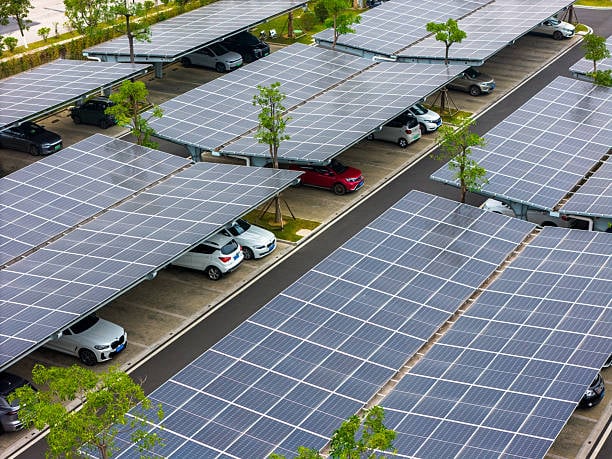
Solar carports help flip that problem on its head. They shade vehicles while producing electricity from the same sunlight causing the issue.
That’s a smart use of space.
An “Insurance Policy” for Vehicles and Property Comfort
Many employees, customers, tenants, and visitors drive to your business. If you can provide shaded parking, you’re improving the experience before they ever walk through the door.
For companies that operate fleets, the value gets even stronger.
Solar carports are useful for:
- Delivery fleets
- Healthcare vehicles
- Municipal and law enforcement fleets
- Corporate campuses
- Retail centers
- Office buildings
- Schools and medical facilities
Shade helps protect vehicles. Solar helps protect your energy budget.
That’s a good combination.
Turning the Sun from Problem to Profit
Solar energy is already popular with businesses because it lowers operating costs and supports sustainability goals. Solar carports take that one step further by using an existing parking area as the foundation for power generation.
Instead of choosing between shade and energy savings, you get both.
Commercial solar carports can help businesses:
- Generate clean electricity during peak daylight hours
- Lower utility bills
- Reduce demand charges with battery storage
- Improve property appearance
- Support sustainability and ESG goals
- Create a better parking experience
It’s not just a structure. It’s productive infrastructure.
EV Charging: A Natural Fit for Solar Carports
Electric vehicles are becoming more common for employees, customers, and commercial fleets. But EV charging only works well when the infrastructure is planned correctly.
Solar carports make an ideal platform for EV charging stations.
They can:
- Provide shaded EV parking
- Power Level 2 chargers with clean solar energy
- Support fleet electrification
- Offer a valuable amenity for customers and employees
- Improve the property’s modern, sustainability-focused image
Adding EV charging during the initial installation is usually easier and more cost-effective than retrofitting later.
2026 Incentives and Tax Credits for Solar Carports in Phoenix
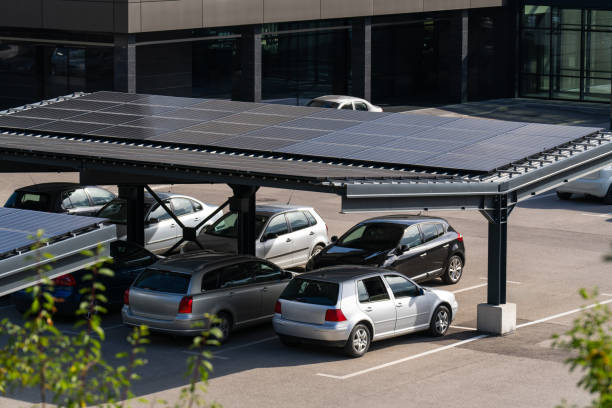
Solar carports cost more upfront than rooftop solar because of the structure, foundations, engineering, and installation work. But incentives can dramatically improve the numbers.
Phoenix businesses may be able to use:
- Federal Investment Tax Credit: up to 30% of installed cost
- Arizona solar tax benefits, depending on eligibility
- Sales tax exemptions on qualifying solar equipment
- Property tax exemptions for added solar value
- MACRS depreciation for commercial projects
- Net billing through APS, SRP, or TEP
- PACE financing or utility programs, where available
When stacked properly, incentives may reduce the effective project cost by 40% to 60%.
A strong local EPC partner can help identify which programs apply and handle the paperwork.
Real Costs, ROI, and Phoenix-Specific Savings
Yes, solar carports usually cost more than rooftop systems. That’s the honest answer.
Why?
Because you’re not just installing panels. You’re building a shaded structure engineered to support solar equipment, withstand wind, meet code, and serve your property for decades.
Typical commercial solar carport pricing in Phoenix often ranges from:
- $3.15 to $4.50 per watt installed
- 50 kW to 100 kW systems: roughly $150,000 to $400,000 before incentives
Expected returns vary, but many commercial properties see:
- $15,000 to $25,000+ in annual electricity savings
- Payback in roughly 6 to 10 years after incentives
- 25-year net savings in the hundreds of thousands
The exact outcome depends on your lot size, utility rate, energy usage, carport design, and whether batteries or EV chargers are included.
Popular Solar Carport Designs for Arizona
Not all solar carports are built the same. Design matters, especially in Phoenix.
Common commercial designs include:
Single Cantilever
A single-sided structure that shades one row of vehicles. It works well for smaller lots or perimeter parking.
Double Cantilever
Also called a T-style carport, this design covers two rows of parking. It is one of the most popular commercial options.
Long-Span Canopy
A larger continuous canopy that covers multiple parking areas. This maximizes shade and solar production.
Y-Shaped or Semi-Cantilever
A flexible design that handles water runoff well and can fit unique parking lot layouts.
The right design depends on your lot, traffic flow, drainage, parking layout, and energy goals.
Engineering, Procurement, and Construction
Hiring an experienced EPC partner in Arizona makes the process far smoother.
A reputable team will handle:
- Site assessment
- Structural engineering
- Solar design
- Utility coordination
- Permitting
- Equipment procurement
- Installation
- Final commissioning
- Monitoring and maintenance
With commercial solar carports, engineering matters. These structures must be built for Phoenix heat, wind, monsoon conditions, and long-term durability.
Technical Considerations
Smart planning helps design carports that are efficient, durable, and easy to maintain.
Key considerations include:
- Panel tilt and orientation
- Airflow beneath the panels
- Drainage during monsoon storms
- ADA compliance and parking layout
- Fire and electrical access
- EV charger placement
- Inverter location and protection
Properly angled panels can improve airflow and reduce heat buildup, which helps the system perform better in Arizona’s high temperatures.
Maintenance, Durability, and Long-Term Performance
Solar carports are built to last, but they still need basic maintenance.
In Phoenix, the biggest concerns are dust, heat, UV exposure, and occasional storm damage.
A quality system should include:
- Galvanized or powder-coated steel
- Structural engineering for high winds
- Tier 1 solar panels with long warranties
- Periodic panel cleaning
- Annual electrical inspections
- Remote monitoring
Most solar panels carry 25 to 30 year performance warranties, and well-built steel structures can last for decades with proper care.
Commercial Solar Meets Urban Planning
Solar power and electric vehicles are changing how commercial properties are designed.
A parking lot can now be more than pavement. It can be a shaded customer amenity, an EV charging hub, and a power-producing asset.
That’s the kind of practical sustainability Phoenix businesses need.
Not flashy. Not gimmicky. Just smart.
So, are solar carports worth it in Phoenix?
Yes. Solar carports are worth it in Phoenix because they provide shaded parking, generate clean electricity, reduce energy bills, and help protect vehicles from extreme heat. For commercial properties, solar carports can also support EV charging, improve customer and employee experience, and deliver long-term ROI through tax incentives and energy savings.
Ready to Double Your Benefits in Phoenix?
Solar carports are more than a green upgrade. They’re a business move.
They provide shade, lower energy costs, improve property value, support EV charging, and create a better experience for everyone who parks on-site.
If your Phoenix commercial property has the space, it’s worth exploring.
A local Arizona EPC contractor can evaluate your parking lot, estimate your savings, identify incentives, and help you decide whether solar carports make sense for your business.
FAQ
Do solar carports cost more than rooftop panels?
Yes. Solar carports usually cost more upfront because they require structural steel, foundations, engineering, and additional labor. However, they also provide shade, improve parking areas, and can support EV charging, which rooftop solar does not.
How high is a commercial solar carport?
Most commercial solar carports are about 12 to 16 feet high, depending on vehicle clearance needs, design, and local code requirements.
Do I need a special permit for commercial solar carports?
Yes. Commercial solar carports typically require structural, electrical, zoning, drainage, and sometimes ADA-related approvals. A local EPC partner can manage this process for you.
Are solar carports the same as solar canopies?
They are closely related. A solar carport is usually a canopy built specifically over parking spaces. A solar canopy can also refer to broader shaded structures over walkways, patios, or other outdoor areas.
What incentives are available for solar carports in Phoenix in 2026?
Businesses may qualify for the federal solar tax credit, Arizona tax benefits, sales tax exemptions, property tax exemptions, depreciation, net billing, and financing programs depending on eligibility.
How long does it take to see a return on investment?
Many Phoenix commercial solar carport projects see payback in about 6 to 10 years after incentives, with decades of energy savings after that.
Can solar carports include EV charging?
Yes. Solar carports are an excellent fit for EV charging. They can support Level 2 chargers for employees, customers, tenants, or fleet vehicles.