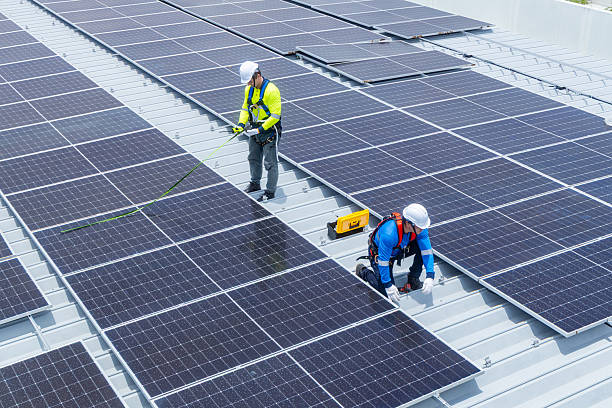
Commercial solar systems in Phoenix can produce less energy due to heat, dust buildup, inverter clipping, string failures, shading, component degradation, or lack of preventive maintenance. Professional diagnostics using thermal imaging, IV curve tracing, and inverter analysis can quickly identify the problem and restore system performance.
For most Arizona businesses, underperformance isn’t caused by one catastrophic failure. It’s usually the result of several small issues that quietly chip away at production over time.
Your Solar Investment Should Be Working Harder
Commercial solar is supposed to deliver predictable savings. That’s the whole point. When you invest in a solar array, you’re expecting lower utility bills, greater energy independence, and a solid return on investment.
But sometimes the numbers don’t match the projections.
We’ve seen it happen across Arizona. A warehouse owner in Glendale notices monthly production slipping. A manufacturing facility in Phoenix suddenly sees electric bills creeping back up. The system is technically “working,” but something isn’t right.
Fortunately, most underperforming commercial solar systems can be diagnosed and corrected. Understanding the most common causes is the first step.
Understanding Technical Drift
Commercial solar underperformance is often caused by something called technical drift.
Instead of one major failure, many systems gradually lose efficiency due to a combination of small issues. Across hundreds or thousands of modules, these minor losses add up to significant drops in energy production.
One of the most overlooked causes is Potential Induced Degradation (PID).
PID occurs when electrical voltage migrates from the panel frame or glass into the solar cells themselves. This disrupts power generation and can dramatically reduce output over time.
Because PID develops slowly, many business owners don’t realize there’s a problem until energy production falls well below expectations.
In severe cases, PID can reduce output by as much as 70%.
Common Component Failures That Reduce Solar Output
Inverter Clipping
If your production graph forms a flat plateau during the sunniest hours of the day, your inverter may be clipping.
Clipping occurs when the inverter reaches its maximum capacity and intentionally limits how much DC electricity gets converted into usable AC power.
A small amount of clipping is normal and often designed into commercial systems. However, excessive clipping may indicate:
- An undersized inverter
- Improper settings
- Increased production exceeding original design assumptions
- System modifications that altered output
Excessive clipping can significantly reduce peak production during Arizona’s long summer days.
String Failure
Many commercial solar arrays are wired in strings. The downside is that one underperforming panel can affect the output of an entire string.
Without advanced monitoring, the problem can remain hidden because the overall system still appears to be generating power.
Common causes include:
- Failed bypass diodes
- Damaged connectors
- Panel degradation
- Loose wiring
- Microcracks
String-level monitoring makes these issues much easier to identify before they become expensive.
The Arizona Heat
Phoenix summers are brutal. Rooftop temperatures can easily exceed 150°F.
While solar panels need sunlight, they don’t necessarily love excessive heat.
Most modules are rated under laboratory conditions at 77°F. As cell temperatures increase, voltage decreases. This phenomenon, called thermal derating, directly reduces power output.
Arizona heat also stresses:
- Inverters
- Electrical connections
- Wiring insulation
- Combiner boxes
Heat-related losses are one of the most common reasons businesses in Phoenix, Scottsdale, and Glendale call commercial solar troubleshooting experts.
Soiling and Environmental Factors in Arizona Deserts
Dust may seem harmless, but it’s one of the biggest enemies of solar performance in Arizona.
Fine desert dust, pollen, bird droppings, and mineral deposits left behind after monsoon rains can reduce production by 10% to 30% if left untreated.
We’ve inspected systems throughout Glendale and Ahwatukee where bird nesting and accumulated debris reduced string output dramatically. In several cases, professional cleaning and bird-proofing restored nearly full production.
Signs Your Panels Need Cleaning
- Gradual declines in production over several months
- Dirty lower rows of panels
- Visible haze or bird droppings
- Reduced output after monsoon season
- Increased losses following dust storms
Pro Tip
Most commercial systems in the Phoenix metro should be professionally cleaned two to four times per year. Industrial facilities near highways or agricultural areas may require more frequent maintenance.
Using deionized water and soft brushes helps protect panel surfaces and maximize lifespan.
Shading and Site-Specific Challenges
Even well-designed commercial solar systems can develop shading problems over time.
We’ve seen shading issues caused by:
- New HVAC equipment
- Growing trees
- Building additions
- Rooftop obstructions
- Seasonal changes
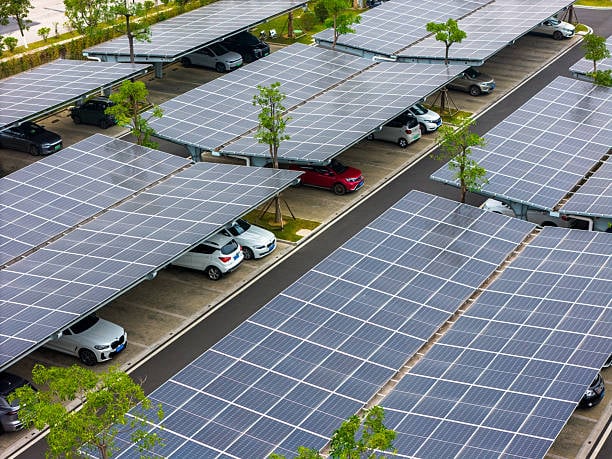
- Vehicle shadows under carports
Hard shadows cast by equipment can severely impact string performance, while softer shadows still reduce energy production.
Drone inspections and LiDAR analysis have become valuable tools for identifying hidden shading issues before they affect ROI.
Troubleshooting Commercial Solar Underperformance
The best approach to commercial solar troubleshooting is a methodical one.
Production patterns often reveal what’s happening.
Sudden Production Drops
Typically indicate:
- Hardware failures
- Tripped breakers
- Inverter faults
- Communication issues
Gradual Declines
Usually point to:
- Dust accumulation
- Panel degradation
- Thermal losses
- PID
- Shading
Professional diagnostics often include:
Thermal Imaging
Infrared drones and handheld thermal cameras locate hot spots caused by:
- Failed cells
- Bad connections
- Bypass diode failures
IV Curve Tracing
Current-voltage analysis helps technicians identify:
- Resistance issues
- String mismatches
- Potential induced degradation
- Module failures
Inverter Log Analysis
Inverter data can reveal:
- Grid voltage fluctuations
- Frequent disconnects
- Excessive clipping
- Internal faults
Preventive Maintenance Protects Your ROI
The best repair is avoiding problems altogether.
Many commercial systems in Arizona lose 5% to 15% annually simply because routine maintenance gets neglected.
Recommended Commercial Solar Maintenance Schedule
Daily or Weekly
- Monitor production dashboards
- Watch for unusual alerts
Quarterly
- Visual inspections
- Remove bird nests and debris
- Clean inverter vents
- Check wiring and racking
Semi-Annually
- Professional panel cleaning
- Thermal imaging inspection
Annually
- Full system audit
- IV curve tracing
- Torque checks
- Performance ratio analysis
- Monitoring calibration
Maintaining detailed records also helps preserve warranties and support tax incentive documentation.
Real-World Example
A Phoenix-area warehouse owner contacted us after noticing utility bills creeping upward despite having solar.
After a professional audit, we discovered:
- Dust buildup
- Minor shading from recently added rooftop equipment
- Inverter settings that needed adjustment
Following cleaning, shading corrections, and system optimization, output improved by roughly 12%.
That translated into thousands of dollars in annual savings.
Stories like this are more common than many business owners realize.
Don’t Let Small Problems Become Big Losses
Commercial solar systems are built to provide decades of savings. Most Arizona businesses recover their investment within five to eight years and continue generating value long afterward.
But heat, dust, degradation, and overlooked maintenance can quietly erode those returns.
The good news? Most problems are fixable.
A professional solar diagnostic audit can identify issues early and restore system performance before losses compound.
If your commercial solar solutions in Phoenix, Scottsdale, Glendale, Anthem, Ahwatukee, or anywhere in Arizona isn’t producing what it should, don’t ignore it.
Contact Watt Masters today for a comprehensive commercial solar troubleshooting and maintenance evaluation.
Frequently Asked Questions
Inverter clipping happens when the inverter reaches its maximum capacity and limits power conversion during peak sunlight hours. A small amount is normal, but excessive clipping may indicate design or equipment issues that reduce production.
Hard shadows from HVAC units, nearby buildings, or vents completely block sunlight and can significantly affect panel performance. Soft shadows are less severe but still reduce energy production over time.
Not always. Monitoring software relies on inverter data and may not detect wiring losses or discrepancies at the utility meter. Annual verification helps ensure accurate performance measurements.
Commercial solar monitoring systems should be reviewed and verified annually to ensure reported production matches actual meter readings.
Dust, pollen, bird droppings, and monsoon residue can reduce energy production by 10% to 30%. Regular professional cleaning keeps systems operating efficiently.
High-quality string-level or module-level monitoring helps detect problems early. Catching issues quickly prevents larger losses and expensive repairs.
Lower production means lower savings. Underperforming systems take longer to pay for themselves and reduce the financial benefits of federal and Arizona commercial solar incentives. Proper maintenance helps protect your investment and maximize returns.
Most commercial systems should be professionally cleaned two to four times per year. Facilities near agricultural areas, highways, or dusty industrial sites may benefit from more frequent service.
Extreme heat typically doesn’t damage quality panels, but it does reduce efficiency and places additional stress on inverters and electrical components. Systems designed specifically for Arizona conditions perform better over the long term.