

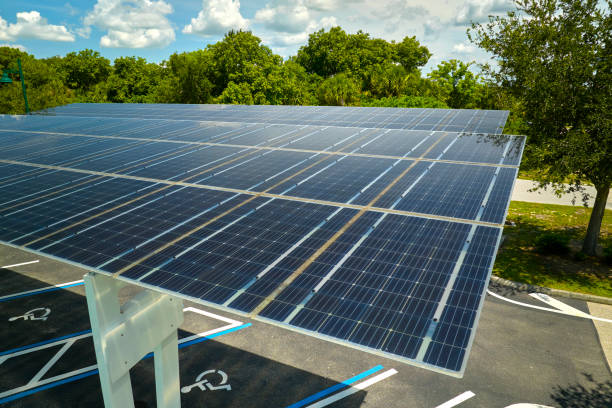
The most common solar carport mistakes include inadequate height clearance, poor drainage, insufficient structural engineering, lack of EV charging infrastructure, construction disruptions, and failing to plan for maintenance. In Arizona, solar parking structures must also withstand extreme heat, monsoon winds, dust, and local permitting requirements. Proper planning helps maximize ROI and avoid expensive retrofits later.
Solar Carports Are More Than Shade With Solar Panels
At first glance, commercial solar carports seem pretty straightforward. Add some panels over a parking lot, create shade, and generate electricity. Sounds simple enough.
In reality, these projects involve much more than placing steel beams and solar panels over parking spaces.
We’ve seen businesses throughout Phoenix and across Arizona discover that rushed planning often leads to expensive headaches down the road. One overlooked design detail can affect everything from traffic flow and drainage to future EV charging capabilities and long-term structural integrity.
Done right, though, solar parking structures become dual-purpose assets that provide shade, lower utility costs, and create a visible commitment to sustainability.
Height Requirements Matter More Than Most Businesses Realize
One of the most common commercial solar parking installation issues starts with clearance.
Standard passenger vehicles aren’t the only things using parking lots. Delivery trucks, service vehicles, waste management trucks, and emergency equipment all need access.
Installing a structure that’s too low can:
- Restrict service vehicles
- Create liability concerns
- Increase the risk of collisions
- Violate local fire codes
- Cause expensive redesigns later
Proper vertical clearance is especially important in Phoenix, where many commercial facilities depend on regular deliveries and emergency access requirements.
Wind Loads, Monsoons, and Structural Integrity in Arizona
Arizona’s climate presents unique engineering challenges that out-of-state contractors sometimes underestimate.
Summer monsoons, microbursts, and dust storms can produce winds exceeding 90 to 120 mph. Elevated solar structures experience uplift forces that require serious engineering.
Key structural considerations include:
- Reinforced foundations
- Galvanized steel framing
- Corrosion-resistant materials
- Proper panel spacing
- Wind-load calculations
- Compliance with Phoenix building codes
We’ve seen projects in Scottsdale and Glendale that required costly retrofits because structural engineering wasn’t given enough attention from the beginning.
Strong foundations aren’t glamorous, but they’re what separate a 30-year asset from a future problem.
Planning and Logistics Can Make or Break the Project
Construction isn’t just about getting the job done quickly. It’s about keeping your business operational while the work is happening.
Without a well-thought-out construction schedule, a project expected to take three weeks can stretch into months.
That means:
- Frustrated customers
- Disrupted employees
- Reduced parking availability
- Lost revenue
- Delayed ROI
A Better Approach: Phased Construction
Most successful commercial solar carport projects are completed in sections.
By dividing the lot into phases:
- Customers retain access.
- Businesses stay open.
- Revenue disruptions are minimized.
- Construction moves more efficiently.
The slight increase in planning often pays for itself many times over.
Proper Drainage and Runoff Cannot Be Ignored
Solar carports collect enormous amounts of rainwater.
During Arizona’s monsoon season, that water has to go somewhere.
Without proper drainage, runoff can create:
- Flooding
- Standing water
- Erosion
- Damaged landscaping
- Slippery walkways
Experienced commercial solar canopy contractors address this with:
- Integrated gutter systems
- Proper panel tilt angles
- Bioswales
- Storm drain connections
- Site grading improvements
Water Management and Site-Specific Challenges
In Phoenix, a single storm can dump large volumes of water in a short period.
Best practices include:
- Five to ten-degree panel tilt for balanced production and drainage.
- Avoiding low areas where puddles form.
- Directing water away from vehicles and entrances.
- Reducing soiling caused by mineral deposits.
An added bonus? Proper runoff management also protects the asphalt beneath the structure and extends pavement life.
Understanding the True Cost of Solar Carports
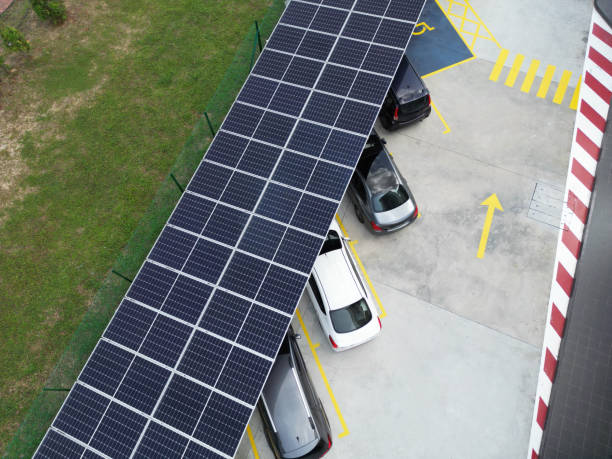
Solar carports typically cost more than rooftop solar systems.
Not because the panels are different, but because the structure itself requires:
- Steel framing
- Foundations
- Engineering
- Structural permits
- Specialized installation
Commercial solar carports in Arizona generally cost 20% to 80% more than rooftop systems.
Typical Cost Drivers
- Structural steel
- Concrete foundations
- Engineering stamps
- Permitting and zoning reviews
- Labor
- Traffic management during construction
In 2026, many commercial solar carports fall within the $2.50 to $4.50 per watt range, depending on size and features.
ROI Considerations
Despite higher upfront costs, businesses benefit from:
- Federal Investment Tax Credits
- Arizona incentives
- Lower utility bills
- Increased property value
- Longer asphalt lifespan
- Improved employee and customer satisfaction
Most systems pay for themselves in roughly six to ten years.
Future-Proofing for Electric Vehicles
Even if your company doesn’t have EVs today, chances are your customers or tenants soon will.
One of the biggest mistakes businesses make is waiting to think about charging infrastructure.
If trenches are already being dug, installing conduit now costs a fraction of retrofitting later.
In many cases, waiting just a few years can increase installation costs fivefold.
EV Integration Best Practices
- Install conduit during initial construction.
- Plan for Level 2 chargers.
- Allow room for future DC fast chargers.
- Consider battery storage integration.
- Include bollards and cable management.
- Ensure ADA compliance.
Demand for EV charging throughout Phoenix, Scottsdale, and the surrounding metro continues to grow, making future-ready designs increasingly valuable.
Utility and Aesthetics Matter More Than You Think
Poor column placement can create:
- Blind spots
- Tight parking spaces
- Door clearance issues
- Increased accident risk
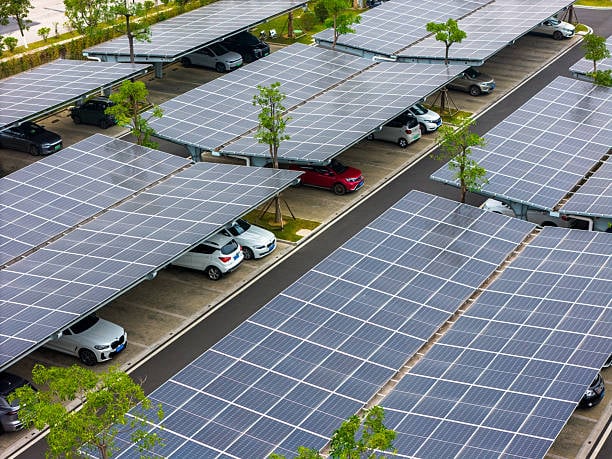
Modern Y-frame and T-frame designs position support columns between parking spaces rather than inside them.
This approach:
- Preserves parking capacity.
- Improves traffic flow.
- Enhances appearance.
- Maintains accessibility.
The best structures almost disappear into the background while doing a tremendous amount of work.
Smart Features Add More Value
Today’s commercial solar parking lot structures can incorporate much more than solar panels.
Popular upgrades include:
- LED lighting
- Security cameras
- EV charging stations
- Battery storage
- Monitoring systems
- Module optimizers
- Wi-Fi equipment
These additions improve security and maximize the return on your investment.
Maintenance Access Is Often Overlooked
Many businesses focus so much on installation that they forget maintenance.
Dust, bird droppings, and debris are facts of life in Arizona.
Without adequate access, routine maintenance becomes difficult and expensive.
Long-Term Maintenance Best Practices
- Semi-annual professional cleaning
- Annual inspections
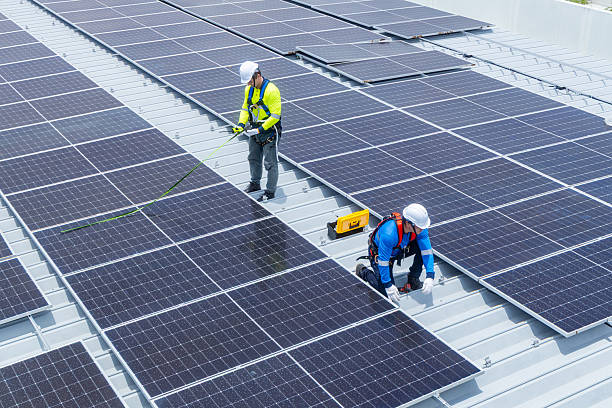
- Easy access to panels and wiring
- Minimal ground disturbance
- Monitoring systems for performance tracking
A recent Anthem-area project using a T-frame design preserved all parking spaces, included future EV conduits, and maintained strong production during the hottest summer months thanks to thoughtful engineering and maintenance access.
Innovate Your Parking Spaces Smartly
Solar carports are one of the most practical investments a commercial property owner can make.
They transform underutilized parking lots into revenue-producing assets while giving customers and employees much-needed shade from the Arizona sun.
But maximizing ROI requires more than simply mounting solar panels over parking spaces.
Structural engineering, drainage, traffic flow, EV readiness, and long-term maintenance all play major roles in determining whether your project delivers value for decades or creates costly surprises.
At Watt Masters, we understand the realities of building commercial solar carports in Phoenix, Scottsdale, Glendale, Mesa, and throughout Arizona. We design every system with structural integrity, long-term performance, and business continuity in mind.
Contact Watt Masters today for a comprehensive site assessment and custom solar carport design tailored to your business.
Frequently Asked Questions
Yes. Solar carports are standalone structures, so they require more than electrical permits. Most projects involve structural engineering reviews, zoning approvals, setback requirements, and fire department clearances. Local engineering stamps are typically required in Phoenix and throughout Arizona.
Heat slightly reduces panel efficiency, but solar carports often perform better than rooftop systems because airflow underneath the panels helps dissipate heat. Better cooling means better long-term energy production.
Usually not. Properly designed T-frame and Y-frame structures preserve nearly all parking spaces by positioning support columns between stalls instead of inside them.
Yes. Solar canopies shield asphalt from intense UV exposure and excessive heat. This helps extend seal coating life and reduces the frequency of expensive resurfacing projects.
Most projects require:
Structural building permits
Electrical permits
Zoning reviews
Fire code approvals
Engineering certifications
Working with a local Arizona solar contractor helps streamline the process.
Solar carports provide several advantages:
Better airflow and cooling
Vehicle shade
No roof loading concerns
Additional EV charging opportunities
Increased property value
They’re ideal for businesses with large parking areas and limited roof space.
Absolutely. Many commercial solar carports incorporate:
LED lighting
Security cameras
EV charging stations
Battery storage systems
Smart monitoring equipment
These upgrades improve safety while maximizing the usefulness of the structure.
For many Arizona businesses, yes. While solar carports typically cost more than rooftop systems, they deliver additional benefits such as shaded parking, longer asphalt life, improved aesthetics, EV charging opportunities, and strong long-term energy savings. When combined with federal incentives and Arizona’s abundant sunshine, they often provide an excellent return on investment.