

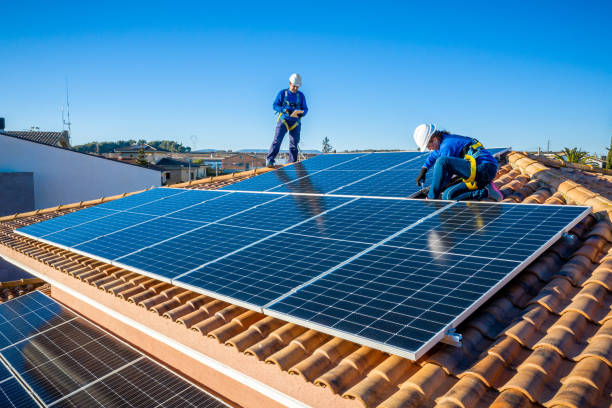
Commercial rooftop solar systems usually leak because of poor waterproofing, improper flashing, bad roof penetrations, weak sealants, poor weight distribution, or lack of pre-installation roof assessment. In Phoenix, extreme heat, UV exposure, and monsoon storms make proper solar EPC planning even more important.
Commercial solar is a smart investment for Phoenix businesses. Done right, it can reduce energy costs, support sustainability goals, and turn unused rooftop space into a long-term asset.
But there’s one thing no business owner wants to hear after the panels go up:
“We found water inside.”
A leaking commercial roof can damage inventory, equipment, insulation, drywall, electrical systems, and structural decking. Suddenly, those energy savings start getting eaten alive by repairs, downtime, and warranty headaches.
The good news? Most solar-related roof leaks are preventable. They usually come down to poor planning, rushed installation, or installers who do not fully understand commercial roofing systems in Arizona.
Pre-Installation Roof Assessment: The Critical First Step
A leak-proof solar project starts before the first panel ever touches the roof.
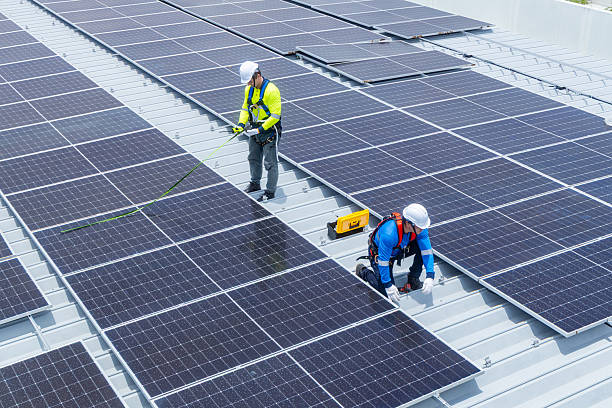
Experienced commercial solar installers begin with a full roof and structural assessment. Skipping this step is one of the fastest ways to create expensive problems later.
A proper assessment should include:
- Structural load evaluation for panels, racking, ballast, and wind uplift
- Roof age and remaining service life
- Membrane type, such as TPO, PVC, EPDM, or modified bitumen
- Existing damage, ponding, seams, patches, and drainage problems
- Compatibility between the solar mounting method and the roof system
Here’s the part that matters: if the roof is already near the end of its life, installing solar first can create a mess later. Removing panels for re-roofing can easily add tens of thousands of dollars in labor and downtime.
A good solar EPC partner will coordinate with your roofing contractor before installation, document roof conditions, and protect your warranty whenever possible.
Roof Leaks Due to Insufficient Waterproofing
Leaks after a solar installation are not always caused by a total lack of waterproofing. More often, the existing waterproofing gets compromised or the new flashing details are poorly executed.
That’s when trouble starts.
Membrane Breaches
Most commercial facilities in Phoenix use flat or low-slope roofing systems. Since these roofs do not shed water like steep-slope roofs, they rely on a continuous waterproof membrane.
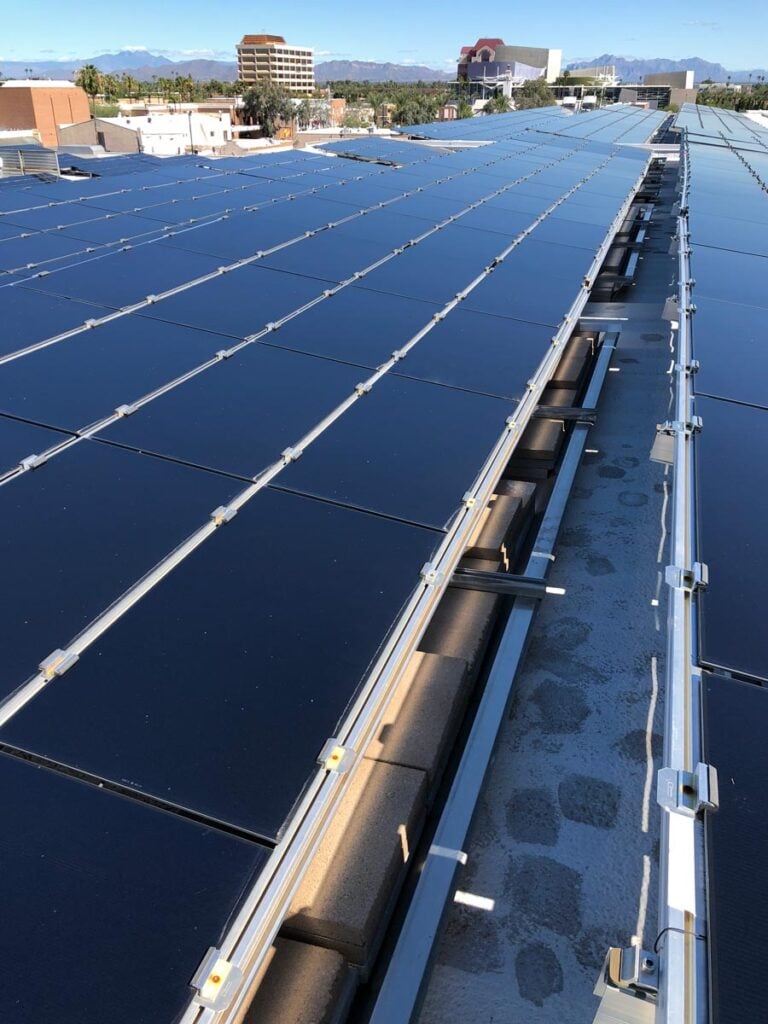
When solar racking is attached to the roof, installers may need to create penetrations to connect mounting hardware to the structure below.
Every penetration is a potential leak point.
If those penetrations are not flashed and sealed correctly, water will eventually find its way in. It may not happen after the first rain. But give it a few monsoon seasons and Arizona heat cycles, and weak details usually reveal themselves.
Neglecting Proper Flashing
Proper flashing is not optional.
Flashing directs water away from roof penetrations and vulnerable edges. On commercial roofs, it often needs to be integrated into the membrane using heat welding, compatible adhesives, or manufacturer-approved materials.
One common mistake is relying on a simple L-foot, screws, and a blob of sealant.
That might look fine on install day. But in Phoenix, sealant-only waterproofing is not a long-term strategy. UV exposure, heat, and roof movement can break it down quickly.
Good flashing takes more time. It also prevents a lot of expensive phone calls later.
Degrading Sealants
Arizona’s sun is brutal on low-quality sealants.
Standard silicone, roofing tar, or cheap caulking can dry out, crack, shrink, and pull away from mounting hardware. Once that happens, moisture has a path into the roof system.
Solar panels can also shade parts of the roof, which means those areas may stay damp longer after monsoon rains. That extra moisture exposure can make small defects worse over time.
Debris and Ponding
Solar panels can trap dust, gravel, leaves, and debris underneath the array. When that debris builds up, it can block drainage and create standing water.
On flat commercial roofs, ponding is already a major concern. Add poor drainage under panels, and you have a recipe for membrane wear, seam failure, and eventual leaks.
This is especially important in Phoenix, where dust and monsoon rain can combine into a stubborn, heavy buildup.
Threats to Roof Integrity
A solar roof leak is not always caused by water finding a bad seal. Sometimes the roof itself gets stressed or damaged by poor system design.
Weight Distribution
Commercial roofs are engineered to support a specific load.
If the weight of panels, racking, or ballast is not properly distributed, the roof deck can crack, flex, or sag. Over time, that can create low spots where water collects.
Standing water accelerates roof membrane breakdown and increases the risk of leaks.
Ballasted systems can be excellent for reducing roof penetrations, but only if the roof can handle the load.
Thermal Expansion
Phoenix roofs experience serious temperature swings. Metal racking expands and contracts throughout the day, especially in the summer.
If the solar racking is designed as one rigid, continuous system without room for movement, it can pull against mounts, widen penetrations, or damage flashing.
Expansion joints and proper thermal breaks allow the system to move without tearing into the roof’s protective layer.
In Arizona, that detail matters.
Ballasted Systems for Commercial Flat Roofs
Ballasted solar systems use weight instead of frequent roof penetrations. For many Phoenix warehouses and commercial flat roofs, this can reduce leak risk.
But ballasted does not automatically mean problem-free.
Too much weight can cause long-term roof deflection. Poorly placed ballast can create pressure points. And if wind uplift is not properly engineered, the system may not meet code.
The best approach is often a project-specific design, sometimes using a hybrid system that balances fewer penetrations with safe structural loading.
Monsoon Season Risks for Phoenix Commercial Solar
Arizona monsoons are short, intense, and unforgiving.
A roof detail that seems fine during dry weather may fail fast during a sudden downpour.
Common monsoon-related problems include:
- Water channeling under panels
- Debris clogging drains
- Wind uplift stressing mounts
- Failed flashing around penetrations
- Ponding water after heavy rain
A pre-monsoon inspection is one of the smartest maintenance steps a commercial property owner can take.
It is much better to find a weak seal in May than to discover it during a storm in July.
Maintenance and Long-Term Leak Prevention
Leak prevention does not stop after installation.
A commercial rooftop solar system should be inspected regularly, especially in Phoenix’s heat and dust.
Best practices include:
- Inspect the roof before and after monsoon season
- Check flashing, sealants, and roof penetrations
- Remove debris under and around solar arrays
- Look for ponding water or blocked drains
- Combine roof inspections with electrical solar maintenance
- Document all maintenance for warranty protection
Some larger systems may also include leak detection sensors or monitoring tools, but nothing replaces trained eyes on the roof.
The Real Cost of Solar Roof Leaks
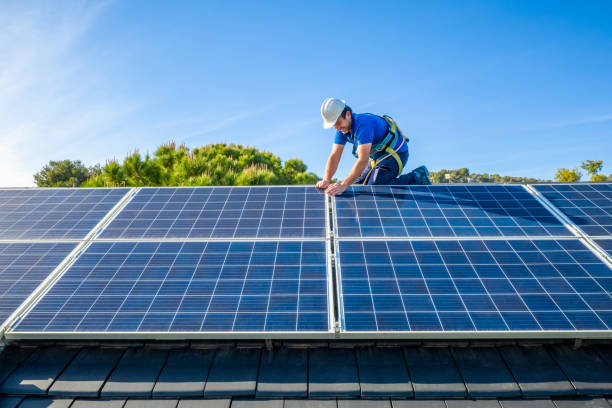
A leak is not just a roofing problem. It is a business problem.
Poor solar installation can lead to:
- Interior damage
- Inventory loss
- Equipment damage
- Mold and insulation issues
- Roof warranty disputes
- Solar downtime during repairs
- Panel removal and reinstallation costs
Depending on system size, removing and reinstalling solar panels during re-roofing can cost $15,000 to $50,000 or more.
That is why the cheapest installer can become the most expensive choice.
How to Choose a Leak-Proof Commercial Solar Installer in Phoenix
Commercial rooftop solar requires both solar knowledge and roofing awareness.
Look for a solar EPC partner that offers:
- Commercial rooftop solar experience in Phoenix
- Licensed, insured, and qualified installation crews
- Structural and roof assessments before installation
- Familiarity with TPO, PVC, EPDM, and flat roof systems
- Proper flashing and waterproofing methods
- Coordination with roofing contractors
- Clear workmanship warranties
- References from similar commercial projects
Avoid high-volume installers who rush through roof details. Commercial solar is not just about getting panels installed. It is about protecting the building beneath them.
Good vs. Poor Installation Practices
| Aspect | Poor Practice | Leak-Resistant Best Practice |
| Flashing | Sealant only | Proper flashing with redundant seals |
| Penetrations | Too many, often in low spots | Minimized and placed strategically |
| Roof Assessment | Skipped or rushed | Full structural and roof report |
| Thermal Movement | Rigid racking | Expansion joints and movement planning |
| Drainage | Debris ignored | Drainage paths kept clear |
| Follow-Up | No post-install inspection | Biannual inspections |
Prioritize Professional Execution
Preventing leaks after commercial rooftop solar installation in Phoenix comes down to planning, skill, and accountability.
The system needs to produce power. But just as importantly, it needs to protect the building that supports it.
Watt Masters understands the unique challenges of commercial solar in Arizona, including flat roofs, extreme heat, UV exposure, monsoon weather, and long-term electrical performance.
If you’re planning a commercial rooftop solar project, start with a proper structural assessment and a leak-prevention plan tailored to your property.
Contact Watt Masters today to schedule a no-obligation commercial solar roof assessment.
FAQ
It can if the system is installed improperly. Penetrations, flashing, and mounting methods must follow manufacturer-approved practices. A good solar contractor should coordinate with your roofing contractor to help preserve warranty coverage.
Ballasted systems can reduce leak risk because they avoid many roof penetrations. However, the roof must be structurally capable of supporting the added weight. If the load is poorly designed, it can create ponding or roof deflection.
Commercial solar roofs in Phoenix should be inspected at least twice per year, ideally before and after monsoon season. Additional inspections are smart after major storms or unusually high winds.
Yes. Phoenix heat causes metal racking and roof materials to expand and contract. Without proper expansion joints and flexible waterproofing details, movement can damage flashing and widen penetration points.
Document the leak immediately with photos, dates, and location details. Contact your solar installer and roofing contractor right away. Do not remove panels yourself, since that can create safety risks and warranty issues.
Yes. Commercial rooftop solar usually requires electrical, structural, and fire-related approvals. A qualified Phoenix solar EPC partner should handle permitting, utility coordination, and code compliance.
Often, yes. Many flat commercial roofs can use ballasted racking systems that reduce or eliminate penetrations. However, the roof must be evaluated for load capacity, wind uplift, and long-term structural performance.
Flat and low-slope commercial roofs often work well for solar when they are structurally sound and in good condition. TPO, PVC, EPDM, metal, and modified bitumen roofs may all be suitable with the right mounting strategy.