

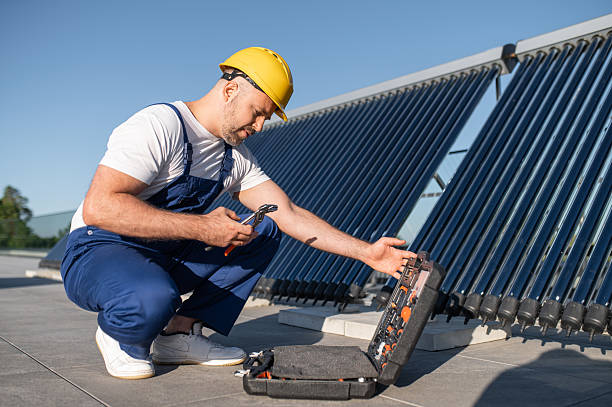
Featured Snippet: Why Do Solar Carport Costs Increase After Project Approval?
Solar carport installation costs often increase after approval because detailed engineering, utility requirements, soil conditions, permitting changes, material pricing, and EV charging additions become clearer during construction. In Phoenix, wind loads, monsoon drainage requirements, and utility upgrades can also affect the final price. Working with an experienced Arizona solar contractor helps minimize surprises and protect ROI.
Approved Doesn’t Always Mean Final
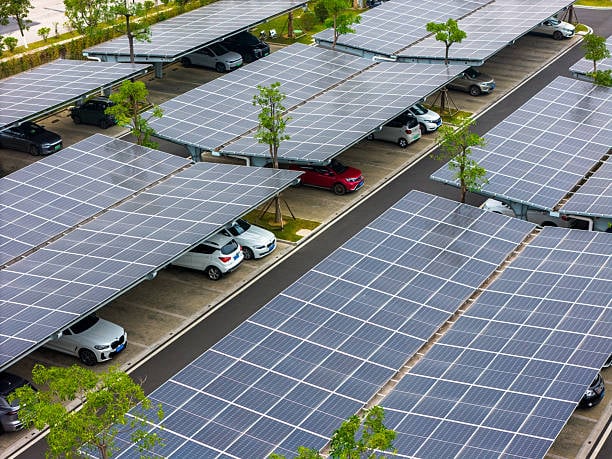
At first glance, solar-powered parking structures seem like a straightforward investment. They provide welcome shade from the Phoenix heat, generate clean energy, and create a perfect platform for electric vehicle charging.
Most projects begin with an estimate that provides a solid financial roadmap. But here’s something many business owners discover: project approval doesn’t mean every variable has already been uncovered.
As a project moves from concept to construction, real-world conditions often reveal additional requirements. That isn’t necessarily poor planning. In fact, many post-approval adjustments are designed to protect your investment and ensure decades of reliable performance.
We’ve found that transparency early on saves a lot of headaches later.
What Makes Solar Carports Unique in Phoenix?
Unlike rooftop solar systems that utilize an existing structure, solar carports are essentially buildings unto themselves.
A commercial solar canopy requires:
- Structural engineering
- Foundations and excavation
- Utility interconnection
- Wind-load calculations
- Drainage planning
- Steel fabrication
- Electrical infrastructure
- Permitting and code compliance
Phoenix’s intense heat, monsoon storms, and demanding building requirements add another layer of complexity.
Working with an experienced solar parking structure contractor in Phoenix helps reduce surprises and creates a smoother path from design to completion.
Foundation and Groundwork Can Reveal Hidden Costs
An initial site survey often provides enough information for conceptual approval, but excavation is where surprises tend to appear.
During construction, crews may discover:
- Underground utility lines
- Unmapped pipes
- Old concrete footings
- Rock formations
- Expansive soils
- Poor drainage conditions
- Abandoned infrastructure
These findings can affect foundation designs and structural requirements.
Why Geotechnical Testing Matters
Arizona soils vary more than many people realize.
Some areas contain:
- Caliche
- Expansive clay
- Hidden rock shelves
- Loose sandy soils
A geotechnical study helps engineers determine the proper foundation system and avoid costly redesigns later.
A little due diligence upfront usually pays for itself many times over.
Market Fluctuations and Supply Chain Timing
Commercial solar carport projects don’t break ground immediately after approval.
There are still several steps ahead:
- Engineering completion
- Permit reviews
- Utility approvals
- Structural calculations
- Procurement scheduling
Months may pass before steel fabrication begins.
During that time, the price of:
- Steel
- Aluminum
- Electrical equipment
- Transformers
- Switchgear
can fluctuate significantly.
Smart Contractors Reduce Exposure
Experienced Phoenix solar carport builders often:
- Lock material pricing early
- Maintain relationships with local fabricators
- Purchase steel in advance
- Coordinate deliveries strategically
These steps help shield customers from mid-project price increases.
Utility Interconnection and Engineering Refinements
APS and SRP don’t simply approve projects and walk away.
Final engineering reviews frequently uncover requirements that weren’t fully defined during preliminary design.
Common additions include:
- Transformer upgrades
- New disconnect switches
- Longer conduit runs
- Additional safety equipment
- Modified electrical routing
- Metering requirements
These changes are intended to ensure safe grid integration, but they can influence the final commercial solar carport cost per watt.
Pro Tip
Many seasoned EPC contractors budget for these possibilities from the beginning, helping minimize unpleasant surprises.
Permits and Local Requirements Can Evolve
Building departments throughout Phoenix and Maricopa County often require modifications during final review.
Common revisions involve:
- Fire lane access
- ADA pathways
- Property setbacks
- Drainage improvements
- Emergency vehicle clearance
- Lighting requirements
- Stormwater management
Sometimes moving a support column by just a few feet triggers:
- New engineering calculations
- Revised blueprints
- Additional permitting fees
Nobody enjoys paperwork, but code compliance protects everyone involved.
Wind Loads and Monsoon Engineering
Arizona’s weather isn’t always calm and sunny.
Summer monsoon storms can bring:
- Heavy rain
- Microbursts
- Dust storms
- Wind speeds exceeding 100 mph
Commercial solar carports must meet ASCE 7-22 wind-loading standards and local structural codes.
Additional Structural Requirements May Include:
- Heavier steel members
- Larger footings
- Additional bracing
- Stronger anchor systems
- Reinforced foundations
These upgrades increase costs but provide long-term protection and peace of mind.
EV Charging Additions Frequently Change Budgets
One of the most common post-approval upgrades involves EV charging infrastructure.
Business owners often realize after approval that they’d like:
- Level 2 chargers
- DC fast chargers
- Additional electrical capacity
- Future expansion capabilities
Unfortunately, adding EV charging after designs are finalized can require:
- More trenching
- Panel upgrades
- Additional conduit
- Larger transformers
Build for Tomorrow Today
Installing EV infrastructure during the original build is usually far less expensive than retrofitting it later.
We’ve seen retrofits cost 30% to 40% more than simply planning ahead.
Realistic Cost Expectations for Solar Carports in Phoenix
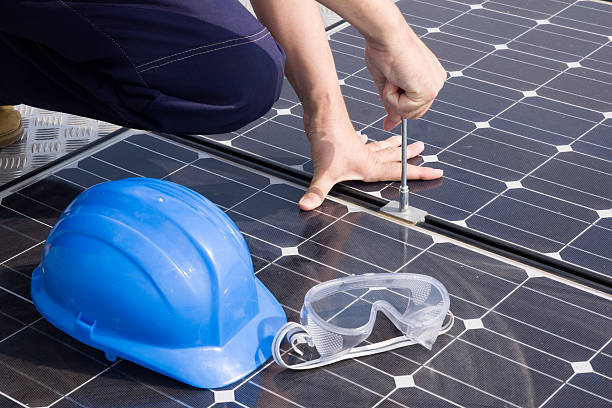
Commercial solar carports generally cost more than rooftop solar systems because you’re building both a power plant and a structure.
Typical Cost Drivers
| Cost Factor | Potential Impact |
| Soil conditions | +10-20% |
| Steel pricing fluctuations | Variable |
| Utility upgrades | +5-15% |
| Wind-load requirements | +5-10% |
| Drainage improvements | +3-10% |
| EV charging additions | Significant if added later |
| Permit revisions | Project-specific |
Most commercial solar carports in Phoenix fall between $3.00 and $4.50+ per watt, depending on:
- Size
- Structural complexity
- EV charging requirements
- Site conditions
- Utility infrastructure
Although solar canopies typically cost more than rooftop systems, they offer additional benefits:
- Vehicle shade
- Lower asphalt temperatures
- Extended pavement life
- Improved customer experience
- EV charging opportunities
- Increased property value
Many systems achieve payback in five to eight years while delivering decades of savings.
A Practical Approach to Commercial Solar
Post-approval adjustments aren’t necessarily signs that something went wrong.
They’re often evidence that engineers, utilities, and permitting agencies are doing their jobs properly.
A successful solar canopy project depends on:
Early Planning
- Geotechnical studies
- Utility coordination
- Structural analysis
Experienced Project Management
- Material procurement
- Permit handling
- Construction scheduling
Future-Proofing
- EV charging infrastructure
- Battery storage readiness
- Expansion capabilities
Partnering with an experienced commercial solar contractor in Phoenix helps navigate market volatility, underground conditions, engineering requirements, and utility coordination with fewer surprises and a clearer budget.
Build It Right the First Time
Solar carports offer businesses throughout Phoenix, Scottsdale, Mesa, Glendale, Chandler, and the surrounding Valley a unique opportunity to combine clean energy with practical shade and EV charging capabilities.
Yes, costs can evolve after approval.
But thoughtful refinements are usually investments in long-term durability, safety, and ROI.
If you’re planning a commercial solar canopy installation in Phoenix, Watt Masters can help you understand the entire process upfront, minimize surprises, and deliver a project designed to perform for decades.
Frequently Asked Questions
Potentially, yes. However, experienced contractors often lock material pricing through purchasing agreements and strategic procurement to reduce exposure to market volatility.
Usually. Additional trenching, electrical upgrades, and larger service equipment can significantly increase costs. Integrating EV charging during the original design phase is far more economical.
Phoenix-area projects must comply with ASCE 7-22 structural requirements. Final engineering reviews may require heavier steel, additional bracing, or larger foundations, which can increase costs.
Yes. Extended schedules can result in higher labor costs, equipment rental expenses, and material price fluctuations
Commercial solar carports are typically 10% to 30% more expensive because they require structural steel, foundations, excavation, and additional engineering. However, they provide added value through shade and EV charging capabilities.
Absolutely. Proper grading, gutters, stormwater management systems, and erosion control are essential in Phoenix and may require additional engineering
Without question. Soil conditions beneath parking lots can vary dramatically. Early testing helps avoid expensive surprises during excavation and foundation construction.
Yes, but planning for battery integration during the initial design phase often reduces future costs and simplifies expansion.
Most well-designed solar canopy projects achieve payback within five to eight years, depending on electricity rates, incentives, and energy consumption. The added value of shade and EV charging often improves long-term returns even further.