

What Happens to Your Solar Warranty When the Original Installer Closes?
A commercial solar system is a long-term investment. When you install solar panels on a warehouse, office building, or industrial facility in Phoenix, you’re counting on that equipment to generate electricity for decades. You’re also counting on someone to stand behind the installation if something goes wrong.
But what happens when the company that installed your solar system goes out of business?
It’s a frustrating situation, especially when your system is experiencing problems or you need warranty repairs. The good news is that your solar warranties don’t necessarily disappear when the original installer closes. Some coverage remains in place, and there are practical steps you can take to protect your equipment, restore service support, and avoid unnecessary expenses.
Understanding which warranties survive, who is responsible for repairs, and how to establish a relationship with a new commercial solar contractor can save you considerable trouble down the road.
Does Your Solar Warranty Still Apply if the Installer Goes Out of Business?
Yes, manufacturer warranties on commercial solar panels, inverters, and other equipment generally remain valid if the original installer goes out of business. However, workmanship warranties and production guarantees provided by the installer may no longer be enforceable. Commercial property owners should verify their remaining coverage, recover monitoring access, and arrange service with a qualified solar contractor.
The important distinction is who issued the warranty. Not every guarantee associated with your solar installation comes from the same company.
Understanding the Different Types of Commercial Solar Warranties
Most commercial solar installations involve several layers of protection. Some come directly from equipment manufacturers, while others depend on the contractor that installed the system.
Knowing the difference helps you understand what you’re still entitled to and where you might face out-of-pocket expenses.
1. Manufacturer Equipment Warranties
Solar panels, inverters, optimizers, and other major components typically carry warranties issued by their manufacturers.
These warranties generally remain in effect even if the company that installed the equipment closes.
For example, suppose your Phoenix warehouse has a commercial rooftop solar system installed five years ago. The original contractor is no longer operating, and one of your inverters develops an internal fault.
If the inverter is still within its manufacturer’s warranty period and the failure qualifies for coverage, you may be eligible for a repair or replacement.
Manufacturers such as SolarEdge, Enphase, Qcells, Canadian Solar, REC, and JinkoSolar maintain their own warranty programs. Each has different terms, claim procedures, exclusions, and documentation requirements.
One important detail: A manufacturer’s warranty doesn’t necessarily cover the labor required to replace a failed component.
We’ll cover that distinction shortly.
2. Solar Panel Performance Warranties
Solar panels gradually lose some of their generating capacity as they age. That’s normal.
Many manufacturers provide a separate performance warranty that guarantees the panels will retain a specified percentage of their original rated output over time.
For example, a manufacturer’s warranty might guarantee approximately 80% to 90% of original rated power after 25 years, depending on the panel model and warranty terms.
These warranties typically remain in effect when the installer closes because they’re backed by the panel manufacturer.
However, proving a performance-warranty claim can be more complicated than demonstrating that a component has failed.
A decline in electricity production doesn’t automatically mean the panels are defective. Dust accumulation, shading, inverter problems, wiring faults, high operating temperatures, and changes in building electricity usage can all affect observed system performance.
A qualified commercial solar technician may need to perform testing to determine whether the panels themselves are underperforming beyond the manufacturer’s warranty limits.
3. Installer Workmanship Warranties
Workmanship warranties cover problems related to how the solar system was installed rather than defects in the equipment itself.
Depending on the contract, these may include:
- Improperly installed roof penetrations or flashing
- Loose mounting hardware or incorrectly assembled racking
- Poorly terminated electrical connections
- Defective conduit installations
- Improperly installed string wiring or connectors
- Problems with electrical panel connections
- Installation-related water intrusion
These warranties are typically issued by the original solar contractor.
If that company permanently closes, its workmanship obligations may become difficult or impossible to enforce. A bankruptcy, dissolution, acquisition, or transfer of contracts can affect what remedies remain available.
A new solar contractor doesn’t automatically become responsible for the previous company’s installation work.
4. Production Guarantees
Some commercial solar installation agreements include production guarantees promising that a system will generate a certain amount of electricity over a specified period.
These are different from manufacturer panel performance warranties.
A manufacturer’s performance warranty addresses the panels’ ability to produce rated power under defined testing conditions. An installer production guarantee may address the expected output of the entire solar system.
If the installer closes, a production guarantee backed solely by that company may become unenforceable unless another entity has assumed the obligation.
5. Commercial Roof Warranties
For rooftop solar installations, there’s another warranty that deserves attention: the building’s existing roof warranty.
A commercial roof may have its own manufacturer-backed membrane warranty covering certain materials or installation defects.
Solar installation work can affect that coverage, particularly when roof penetrations, attachments, ballast systems, or flashing details don’t meet the roofing manufacturer’s requirements.
The roof warranty is separate from both the solar equipment warranty and the installer’s workmanship warranty.
That’s especially important for commercial buildings throughout Phoenix, where roof condition, extreme heat, drainage, and monsoon storms all influence long-term system performance.
Commercial Solar Warranty Comparison
| Warranty type | Typically backed by | What happens if the installer closes? |
| Solar panel product warranty | Panel manufacturer | Generally remains valid under its terms |
| Solar panel performance warranty | Panel manufacturer | Generally remains valid under its terms |
| Inverter and optimizer warranty | Equipment manufacturer | Generally remains valid under its terms |
| Installation workmanship warranty | Original solar contractor | May become unenforceable |
| System production guarantee | Installer or another contractual guarantor | Depends on who backs the guarantee |
| Commercial roof warranty | Roofing manufacturer or roofing contractor | May remain valid if warranty conditions are satisfied |
The takeaway: Losing your original solar installer doesn’t mean losing every warranty associated with your system. The challenge is identifying which protections remain and finding qualified professionals who can help you use them.
First, Confirm Whether Your Solar Installer Actually Closed
Before assuming your workmanship warranty is gone, determine what happened to the original contractor.
A company that stops answering its phones isn’t necessarily out of business. It may have changed names, merged with another company, sold its assets, or reorganized.
Those distinctions matter.
Check the Arizona Registrar of Contractors
The Arizona Registrar of Contractors (ROC) maintains licensing records for contractors operating in the state.
You can search the original company’s name or license number to review its licensing information.
Look for:
- Whether the contractor’s license is active, suspended, revoked, or expired
- The legal business name associated with the license
- Available complaint or disciplinary information
- License classifications
- Bond information
An inactive license is a reason to investigate further, but it doesn’t automatically establish that every warranty obligation has disappeared.
Investigate a Possible Acquisition or Business Transfer
If another company purchased the original installer, find out whether it assumed existing service contracts and warranty obligations.
An acquisition doesn’t automatically mean the buyer is responsible for every previous warranty. The answer depends on the transaction and applicable law.
If a potential successor exists, request written confirmation of whether it will honor your installation warranty.
You can also review Arizona Corporation Commission business records to help establish the company’s legal status.
Preserve Your Written Records
If the company or a potential successor is still operating, communicate warranty concerns in writing.
Keep copies of emails, letters, inspection reports, photographs, and service requests.
This documentation may become important if you pursue a contractor bond claim, insurance claim, or another remedy.
What Arizona Commercial Property Owners Can Do About Defective Installation Work
Arizona provides certain remedies for construction-related problems, but commercial property owners shouldn’t assume they have the same protections available to residential homeowners.
Does Arizona’s Residential Recovery Fund Cover Commercial Solar?
No. Arizona’s Residential Contractors’ Recovery Fund is intended for eligible residential claimants, not commercial property owners seeking compensation for defective solar work on warehouses, offices, retail buildings, or other commercial properties.
A commercial property owner generally needs to explore other potential remedies.
Can You Make a Claim Against the Contractor’s License Bond?
Arizona licensed contractors are generally required to maintain a contractor license bond.
Depending on the circumstances, a commercial property owner affected by defective installation work may have a potential claim against that bond.
However, there are important limitations.
A contractor bond isn’t a replacement for a comprehensive workmanship warranty. Bond amounts are limited, eligibility requirements apply, and other claims may compete for the available bond proceeds.
If you’re considering a claim, gather:
- The original contractor’s ROC license number
- Your installation contract and payment records
- Photographs and documentation of the defective work
- A written evaluation from a qualified contractor
- Records showing when the problem was discovered
- Relevant correspondence with the original installer
Don’t wait to investigate your options. Arizona contractor complaints and bond claims can be subject to different filing deadlines and procedural requirements. Closing a business doesn’t necessarily extend those deadlines.
For significant commercial installation defects, consult the Arizona ROC and a qualified construction attorney before assuming a bond claim or other legal remedy is available.
Manufacturer equipment defects, meanwhile, should generally be handled through the applicable manufacturer’s warranty process.
What to Do When Your Original Solar Installer Disappears
If your installer has closed, the goal is to preserve the coverage you still have while making sure your system doesn’t go without proper oversight.
You don’t necessarily need to replace equipment or sign an expensive maintenance agreement immediately.
Start by getting organized.
Step 1: Gather Your Original Solar Installation Documents
Collect every available record associated with your commercial solar installation.
Ideally, your file should include:
- Original installation contract and warranty agreements
- Approved engineering drawings and site plans
- Electrical single-line diagrams
- Solar panel and inverter specifications
- Equipment serial numbers
- Commissioning and inspection records
- Building permits and final inspection approvals
- Utility interconnection agreements
- Manufacturer warranty certificates
- Roof warranty documentation
- Original monitoring-system information
- Previous maintenance and repair records
For larger commercial systems, accurate as-built electrical drawings are particularly valuable.
A technician who understands the original circuit layout, inverter configuration, disconnect locations, and equipment specifications can investigate problems much more efficiently than someone starting from scratch.
Missing documentation doesn’t mean your system can’t be serviced. It may simply take additional time to identify equipment, trace circuits, and reconstruct important information.
Step 2: Contact Your Equipment Manufacturers
Reach out to the manufacturers of your solar panels, inverters, and other major equipment.
Explain that your original installer is no longer operating and ask them to verify your warranty status.
Specifically, confirm:
- Whether the equipment is covered
- The applicable warranty expiration dates
- Whether registration or ownership records need updating
- What documentation is required to file a claim
- Whether labor reimbursement is available
- Whether an authorized or manufacturer-trained technician is required for certain work
Don’t assume equipment is automatically ineligible because you can’t find its original registration paperwork.
Registration requirements vary by manufacturer and product. In some cases, serial numbers, purchase records, and commissioning information may be enough to establish coverage.
Step 3: Recover Access to Your Solar Monitoring System
This is one of the most frequently overlooked problems when a commercial solar company closes.
Your solar panels may still be generating electricity, but the original installer may have controlled the monitoring account.
If you lose access, you could miss inverter faults, communication failures, or production problems.
For commercial properties, that can become expensive.
Enphase Monitoring
If your system uses Enphase equipment, contact Enphase support to determine the appropriate process for transferring or restoring access to the monitoring site.
Ownership and installer access are not necessarily the same thing. Confirm that your business has the correct account permissions and that a replacement service provider can access the information needed for diagnostics.
SolarEdge Monitoring
For SolarEdge systems, you may need the monitoring Site ID, inverter serial numbers, and documentation establishing your ownership or authority over the installation.
SolarEdge support can explain the applicable site-access or transfer process.
Third-Party Monitoring and Cellular Gateways
Some commercial solar systems rely on separate data loggers, monitoring gateways, internet connections, or cellular subscriptions.
Find out who is responsible for those services.
A cellular subscription that expires after the installer closes can make a functioning solar system appear offline.
More importantly, it can prevent you from seeing actual equipment problems.
Before changing monitoring providers or replacing communication equipment, export whatever historical production information is available.
Ideally, preserve at least 12 months of data, preferably more.
Historical records help a new contractor evaluate performance trends and may support future warranty claims.
Step 4: Review Current System Performance
Once you have monitoring access, compare current production with historical results.
Look for unusual changes such as:
- Inverters producing significantly less than expected
- Repeated inverter faults or shutdowns
- Strings showing abnormal production differences
- Communication gaps
- Unexpected drops in daily or monthly generation
- Performance changes that don’t correspond with seasonal conditions
Keep in mind that solar output naturally changes throughout the year.
A Phoenix solar system may produce differently in July than in March because of module temperature, sunlight conditions, and other factors.
A meaningful performance evaluation should account for weather, equipment characteristics, shading, system availability, and historical operating conditions.
Step 5: Schedule a Professional Commercial Solar Inspection
If the system hasn’t been inspected recently, or if you suspect an installation problem, arrange an evaluation with an experienced commercial solar contractor.
A thorough inspection may include:
- Inverter condition and fault-history review
- Electrical connection and termination checks
- DC wiring and connector inspections
- Visible conduit and insulation condition
- Mounting hardware and racking observations
- Roof penetrations and flashing
- Thermal imaging where appropriate
- Monitoring and communication systems
- System production and performance analysis
The exact inspection scope should depend on the system’s age, condition, design, and documented problems.
Not every installation requires invasive testing or extensive disassembly.
An experienced contractor should be able to explain what needs to be checked, why it matters, and whether the work could affect existing warranties.
Who Pays for Labor When a Solar Manufacturer Replaces Equipment?
This is where many commercial property owners encounter unexpected costs.
A manufacturer may approve a replacement inverter under warranty without paying the full cost of removing the defective unit, installing the replacement, and recommissioning the system.
Consider a rooftop installation with several large commercial inverters.
One inverter fails, and the manufacturer agrees that the equipment qualifies for replacement.
That sounds straightforward until you account for the actual service work.
Depending on the system, replacement may involve:
- Diagnosing and documenting the failure
- Coordinating warranty authorization
- Safely isolating the affected electrical equipment
- Removing and handling the failed inverter
- Providing appropriate access or lifting equipment
- Installing the replacement
- Reconnecting electrical circuits
- Updating equipment configuration or firmware
- Testing and recommissioning the system
- Restoring monitoring communications
Some manufacturers offer limited labor allowances or reimbursement programs. Others primarily cover the replacement equipment.
Coverage may also vary based on equipment age, warranty type, and whether an approved service provider performs the work.
Before authorizing repairs, ask for a written breakdown of what the manufacturer will cover and what your business will be responsible for paying.
A qualified service contractor can often coordinate the manufacturer’s claim while providing a separate estimate for labor and other expenses.
Your Commercial Roof Warranty Needs Special Attention
Solar panels and commercial roofing systems are designed to last for years, but they must work together.
A roof that was performing well before solar installation can develop problems if mounting attachments, penetrations, drainage paths, or maintenance procedures weren’t properly considered.
And if the original solar installer is no longer operating, resolving responsibility for a roof leak can become complicated.
How Solar Installation Can Affect a Roof Warranty
Commercial roofing systems commonly use materials such as:
- TPO
- PVC
- EPDM
- Modified bitumen
- Built-up roofing
- Spray polyurethane foam
- Metal roofing
Each system has its own installation and maintenance requirements.
Depending on the roof manufacturer and warranty, solar attachments may require approved flashing details, specific mounting methods, inspections, or coordination with an authorized roofing contractor.
A new solar contractor shouldn’t assume that changing mounting hardware or making a roof penetration is acceptable simply because the original installation already has solar panels.
What Happens if a Solar Mount Starts Leaking?
Suppose a rooftop solar installation develops a leak around a mounting attachment.
There are several possibilities.
The original installer may have performed defective workmanship. The roofing contractor may have responsibility under its own agreement. The roof manufacturer may provide coverage if the failure meets the warranty conditions.
Alternatively, the damage may fall outside all applicable warranties.
The cause must be investigated before responsibility can be determined.
A solar panel product warranty generally isn’t intended to cover roof leaks caused by installation work.
Protect the Roof Before Authorizing New Repairs
Before allowing a new contractor to modify your rooftop solar system:
- Review the existing roof warranty and original solar attachment details.
- Identify any restrictions on penetrations, flashing, ballast, or rooftop access.
- Coordinate with the roofing manufacturer or its authorized representative when required.
- Document existing roof conditions before work begins.
- Confirm that the proposed repair method is compatible with the roofing system.
For Phoenix commercial buildings, drainage deserves particular attention.
Monsoon storms can produce intense rainfall over short periods. Poorly positioned equipment, obstructed drains, or compromised flashing can create problems that aren’t immediately visible during dry weather.
A good solar contractor understands that protecting the building is just as important as keeping the array producing electricity.
What if Your Commercial Solar System Is Leased or Under a PPA?
Not every business owns the solar equipment installed on its property.
Some commercial systems are financed through solar leases or power purchase agreements (PPAs). Under these arrangements, a third party typically owns the equipment while the business pays for access to the system or the electricity it generates.
That changes who is responsible when the original installation company closes.
Customer-Owned Solar Systems
If your business owns its commercial solar installation, you’re generally responsible for managing equipment warranties, arranging maintenance, and selecting a replacement service contractor. Choosing the best commercial solar solutions can help businesses maintain system performance and ensure their solar equipment receives appropriate care.
You can contact manufacturers directly and authorize repairs, subject to existing warranty, financing, and insurance requirements.
Solar Leases and Power Purchase Agreements
If your business has a solar lease or PPA, the third-party system owner may be responsible for maintenance, equipment warranties, monitoring, and repairs.
In that situation, the original installer’s closure may not directly affect your service arrangements.
However, if the installer was also responsible for ongoing maintenance, you’ll need to determine who has assumed that responsibility.
Don’t authorize another contractor to modify a leased or third-party-owned solar system without obtaining the necessary approval.
Unauthorized repairs could create contractual problems or complicate warranty claims.
Lender-Financed Solar Installations
If your company financed the purchase of its solar system, review the loan documents before making major equipment changes.
Some financing agreements contain requirements involving insurance, equipment replacement, or modifications to the financed assets.
The lender may also have a recorded security interest in the equipment.
The goal is to make sure a necessary repair doesn’t accidentally create another problem.
Common Commercial Solar Problems After an Installer Closes
An installer going out of business doesn’t cause solar equipment to fail. But without an established service provider, small problems can go unnoticed for longer than they should.
That’s especially concerning in Phoenix, where solar systems operate through intense summer heat, dust storms, monsoon weather, and substantial temperature changes.
Here are several issues worth watching.
Inverter Faults and Communication Failures
Commercial solar inverters are essential to converting the electricity generated by solar panels into usable power.
An inverter fault can reduce production or shut down part of a system.
Sometimes the problem is obvious. Other times, a failed monitoring connection makes it difficult to tell whether the inverter is operating normally.
A technician should distinguish between a communication failure and an actual production problem before recommending equipment replacement.
Damaged Wiring and Electrical Connections
Commercial rooftop solar systems contain extensive electrical wiring, connectors, conduit, and termination points.
Over time, UV exposure, temperature cycling, moisture, physical damage, and installation defects can contribute to electrical problems.
Loose or damaged connections can create resistance, heat, and potentially dangerous conditions.
These problems require qualified electrical troubleshooting, not guesswork.
Mounting and Racking Problems
Solar racking systems must remain securely attached while accommodating the conditions for which they were engineered.
Loose components, damaged attachments, corrosion, and improperly installed hardware can create safety and reliability concerns.
Phoenix-area monsoon winds make mounting integrity particularly important.
An inspection should focus on evidence of movement, damage, or improper installation. Any torque checks or adjustments should follow the equipment manufacturer’s procedures.
Dust, Bird Debris, and Panel Soiling
Dust is part of operating solar in the Arizona desert.
Over time, accumulated dirt and debris can reduce the amount of sunlight reaching the solar cells.
However, not every dusty array needs immediate washing.
The right cleaning schedule depends on the property’s location, environmental conditions, panel tilt, rainfall, accessibility, and measured performance.
For a large commercial installation, it’s worth comparing the expected production benefit against the cost of cleaning.
Cleaning should also follow the module manufacturer’s recommendations, including restrictions on water quality, cleaning methods, and panel temperature.
Hidden Production Losses
One of the more expensive problems is a system that continues operating but generates less electricity than expected.
A warehouse owner may assume the solar system is working because the monitoring dashboard shows production.
Meanwhile, one inverter may be operating intermittently, a string may have a fault, or a monitoring alarm may have gone unnoticed.
This is why commercial solar maintenance should include performance analysis, not just visual inspections and panel cleaning.
How to Protect Your Remaining Solar Warranties
Finding a new service contractor is important, but choosing the wrong provider can create additional complications.
Manufacturer warranties often contain conditions regarding installation methods, equipment modifications, service procedures, and compatible replacement parts.
Before authorizing repairs, take a few precautions.
Choose an Appropriately Licensed Arizona Contractor
Commercial solar electrical work should be performed by a contractor holding the Arizona licensing classifications appropriate for the specific scope.
Arizona’s C-11 commercial electrical classification is relevant to many commercial solar electrical installations, although the exact licensing requirements depend on the work being performed.
Roofing, structural, and other specialized work may require additional qualifications or appropriately licensed subcontractors.
Verify the contractor’s license, insurance, and experience with commercial photovoltaic systems.
Residential solar experience alone doesn’t necessarily prepare a company to troubleshoot a large commercial installation.
Confirm Manufacturer Service Requirements
Some manufacturers require specific training, authorization, diagnostic procedures, or advance approval for certain warranty repairs or labor reimbursement.
Before replacing an inverter or modifying a string, confirm the applicable requirements.
An appropriately licensed contractor isn’t automatically an authorized warranty service provider for every equipment brand.
Avoid Unauthorized Equipment Modifications
Changes to an existing system can affect warranty coverage, electrical compatibility, and operating performance.
Examples include:
- Replacing optimizers with incompatible models
- Mixing connectors from different manufacturers without approved compatibility
- Modifying string configurations without proper engineering
- Installing replacement inverters with incompatible specifications
- Changing equipment settings outside manufacturer requirements
- Altering mounting systems without considering structural or roof warranty requirements
Not every modification voids an entire warranty. However, an unauthorized change may affect coverage for related damage or failures.
Document repairs carefully, retain replaced-equipment information, and update system drawings when changes are made.
Keep Maintenance and Repair Records
A good maintenance history helps establish what happened to the system over time.
Keep inspection reports, thermal images, fault logs, production records, repair invoices, and equipment replacement details.
This documentation can help distinguish manufacturing defects from installation problems, environmental damage, and normal wear.
It also gives future service providers a better understanding of the system.
Can a New Commercial Solar Contractor Take Over Your System?
Yes. A qualified commercial solar contractor can inspect, troubleshoot, maintain, and repair an existing system even if another company originally installed it.
However, there’s an important distinction between taking over service responsibilities and assuming the original installer’s warranty obligations.
A replacement contractor generally won’t honor a workmanship warranty issued by a company that has closed.
What it can do is provide new warranty coverage for the specific repairs or installation work it performs.
A new service relationship can also establish:
- Regular system inspections
- Performance monitoring and troubleshooting
- Manufacturer warranty claim assistance
- Preventive maintenance
- Electrical repairs
- Inverter replacements
- Roof and mounting coordination
- Documentation of equipment changes
- Emergency service arrangements when available
For commercial property owners, the biggest benefit is having a dependable point of contact when something goes wrong.
You shouldn’t have to start searching for a contractor every time an inverter trips or an electrical fault appears.
What to Ask a Replacement Solar Contractor
Before signing a commercial solar maintenance agreement, ask a few practical questions.
Have you worked on systems you didn’t originally install?
Troubleshooting an unfamiliar commercial array requires a different approach than installing a new system from a complete set of plans.
Can you work with our existing inverter and monitoring equipment?
Confirm experience with the brands and configurations already installed.
Will you help coordinate manufacturer warranty claims?
Some contractors provide diagnostics but leave all warranty administration to the property owner.
What does your workmanship warranty cover?
Ask for the terms in writing, including any exclusions and how long coverage lasts.
Can you provide an initial condition assessment?
A documented baseline helps both parties understand existing problems before new work begins.
Do you have experience with commercial roofing systems?
For rooftop arrays, electrical expertise alone isn’t enough. The contractor should recognize when roofing specialists need to be involved.
Your First 14 Days After Learning Your Solar Installer Closed
You don’t have to resolve every issue immediately. But it’s worth taking a few organized steps before important records or monitoring access become harder to recover.
Here’s a practical timeline for Phoenix commercial property owners.
| Timeframe | Recommended action |
| Days 1 to 2 | Gather contracts, warranties, drawings, permits, serial numbers, and utility interconnection documents. |
| Days 2 to 3 | Check the original contractor’s Arizona ROC license status and investigate possible successors or remaining remedies. |
| Days 3 to 5 | Contact equipment manufacturers to confirm warranty status and claim procedures. |
| Days 5 to 7 | Recover monitoring access, confirm communication services, and export historical production data. |
| Days 7 to 14 | Arrange an appropriate commercial solar inspection, especially if performance issues or installation defects are suspected. |
This is a suggested organizational timeline, not a legal filing schedule. If you already know about defective work, investigate complaint and bond deadlines immediately rather than waiting until the end of the two weeks.
If your system is operating normally, a planned inspection may be sufficient.
If you’re experiencing repeated inverter shutdowns, electrical faults, damaged conductors, water intrusion, or other safety concerns, have the problem evaluated promptly.
Keeping Your Commercial Solar System Reliable in Phoenix
A commercial solar system should be treated as a long-term building asset, not a piece of equipment that gets installed and forgotten.
That’s true whether the original installer is still in business or not.
In Phoenix, long-term performance depends on more than the quality of the solar panels. Electrical connections, inverter operating conditions, roof integrity, mounting systems, monitoring, and preventive maintenance all matter.
A well-designed maintenance program should be based on the actual system rather than a generic service checklist.
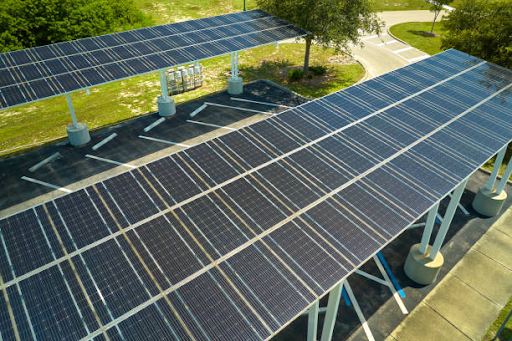
For example, a large rooftop array on a distribution center near Interstate 10 may face different maintenance needs than a solar carport installation at a Scottsdale office property.
The first might require particular attention to roof access, extensive string wiring, and dust accumulation. The second may involve vehicle clearances, structural components, exposed equipment, and parking-area safety.
The same basic principle applies to both: identify problems early, maintain accurate records, and address repairs before they turn into larger expenses.
Commercial Solar Service and Repair in Phoenix
If your original solar installer has closed, you don’t necessarily need to replace your system or give up on the investment.
You need to understand the condition of the equipment, preserve the warranties that remain, and establish a dependable plan for future service.
AZ Commercial Solar Installers, powered by Watt Masters, brings extensive electrical contracting experience and commercial solar installation knowledge to projects throughout the Phoenix area.
Our focus is on the details that matter: electrical integrity, quality workmanship, reliable system operation, and long-term performance.
If your commercial solar system needs troubleshooting, electrical repairs, a performance evaluation, or ongoing maintenance, our team can help assess the situation and determine the appropriate next steps.
Contact AZ Commercial Solar Installers to discuss your existing commercial solar system and its service needs.
Frequently Asked Questions About Solar Warranties After an Installer Closes
Yes. Manufacturer warranties on commercial solar panels, inverters, and other equipment generally remain valid when the original installation company closes. You’ll need to follow the manufacturer’s claim procedures and provide the required documentation, which may include equipment serial numbers, purchase records, and commissioning information.
No. An installer’s bankruptcy doesn’t automatically cancel warranties issued independently by solar equipment manufacturers. However, the installer’s own workmanship or production guarantees may be affected by bankruptcy proceedings. The outcome depends on the contract, the responsible legal entity, and whether another party assumed those obligations.
Generally, no. A replacement solar contractor doesn’t automatically inherit the previous installer’s warranty obligations. It can, however, provide a new workmanship warranty covering repairs or installation work it performs. Review the new agreement carefully to understand which work is covered.
The commercial property owner may be responsible for some or all replacement labor costs. Many manufacturer warranties primarily cover defective equipment, although certain brands offer limited labor reimbursement under specific conditions. Confirm the warranty terms and obtain a written labor estimate before authorizing replacement.
A properly licensed and qualified Arizona contractor can perform commercial solar work within the scope of its license. However, manufacturer warranty procedures may require additional training, authorization, or approved repair methods. Choose a contractor with experience servicing your equipment and commercial system configuration.
No. Arizona’s Residential Contractors’ Recovery Fund is intended for eligible residential claimants and doesn’t cover commercial property owners. Depending on the circumstances, a commercial owner may be able to pursue remedies involving the contractor’s license bond, insurance, or other legal claims.
If your commercial solar system is leased or operates under a power purchase agreement, the third-party system owner may be responsible for equipment warranties and maintenance. Contact that owner before authorizing repairs or modifying the installation. Your agreement should identify the responsible parties and applicable service requirements.
A service visit doesn’t automatically void a commercial roof warranty. However, unauthorized penetrations, incompatible repairs, or changes to the mounting system may affect coverage. Review the roof warranty and coordinate with the roofing manufacturer or authorized contractor before performing work that could affect the membrane.
Contact the monitoring equipment manufacturer or platform provider and request help restoring access or transferring the site to an authorized account. You may need equipment serial numbers, a site identifier, and proof of ownership. Restoring access allows you to monitor performance and identify equipment problems.
Usually, the equipment warranty remains associated with the covered product and its eligible owner rather than transferring to a replacement contractor. A new service provider may be authorized to submit claims and perform repairs on your behalf. Warranty transferability, ownership requirements, and service authorization vary by manufacturer.
Start by reviewing historical production data, inverter status, and monitoring alerts. A qualified commercial solar contractor can compare actual output with expected performance while accounting for weather, temperature, equipment age, shading, and system availability. Electrical testing and thermal inspections may help identify specific problems.
No. An installer closing is not, by itself, a reason to replace a functioning commercial solar system. Most systems can continue operating and be serviced by another qualified contractor. Replacement decisions should be based on equipment condition, repair costs, remaining useful life, electrical safety, and the economics of continued operation.