

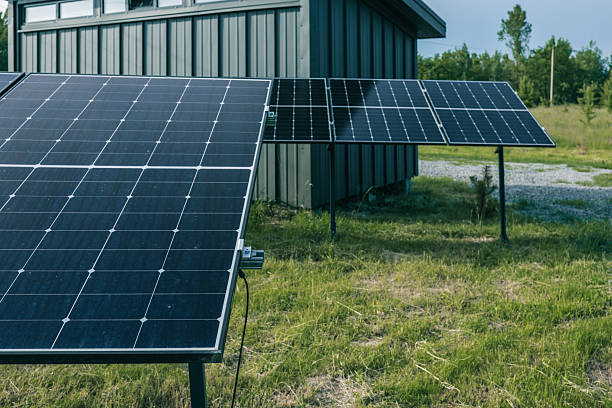
Featured Snippet: What are the biggest mistakes businesses make with ground-mount solar in Phoenix?
The biggest mistakes businesses make when installing ground-mount solar in Phoenix include skipping a site analysis, underestimating dust and soiling losses, overlooking APS and SRP requirements, choosing equipment not designed for Arizona heat, ignoring zoning and drainage rules, failing to budget for maintenance, and hiring installers without ground-mount experience. Proper engineering and local expertise help maximize ROI and prevent expensive surprises.
Thinking About Ground-Mount Solar? Avoid These Costly Mistakes First
Ground-mount solar installations in Phoenix give business owners something rooftop systems sometimes can’t: flexibility. If you’ve got land available, a ground-mounted system can deliver higher production, easier maintenance, and fewer interruptions to your daily operations.
But here’s something we’ve seen time and time again. Ground-mount solar isn’t simply rooftop solar placed on the ground.
These projects involve civil engineering, utility coordination, drainage planning, soil conditions, and long-term maintenance strategies. Miss one of those pieces, and what should have been a 25-year asset can turn into a frustrating and expensive lesson.
Fortunately, most problems are completely avoidable.
The Appeal (And Demands) of Ground-Level Solar Systems
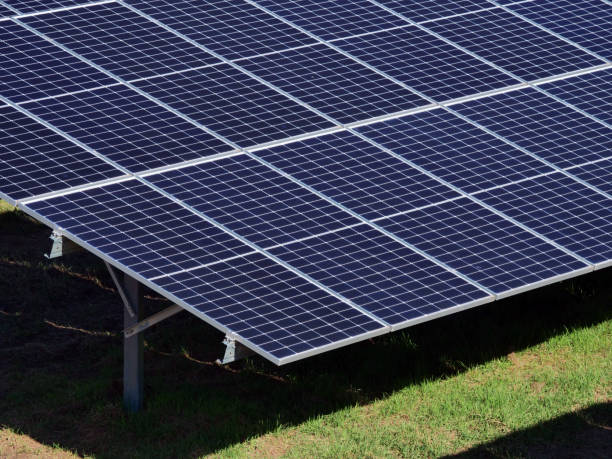
Ground-mounted solar arrays transform unused commercial land into an income-producing asset. They can be positioned for optimal sunlight, expanded in phases, and serviced more easily than rooftop systems.
However, unlike a roof, the ground doesn’t provide a ready-made foundation.
Commercial ground-mount solar projects often require:
- Soil testing
- Structural engineering
- Trenching
- Driven piles or concrete foundations
- Stormwater planning
- Security fencing
- Vegetation management
- Utility interconnection studies
Done correctly, these systems can deliver decades of savings. Done poorly, they can become money pits.
1. Skipping a Site-Specific Analysis
Just because a property looks flat and sunny doesn’t mean it’s ideal for solar.
Shadows from nearby buildings, future developments, power lines, or even desert vegetation can reduce production. A professional site analysis should evaluate:
- Shading throughout the year
- Topography
- Drainage patterns
- Underground utilities
- Access roads
- Soil conditions
- Future expansion opportunities
I’ve seen projects that looked perfect on paper get redesigned because no one accounted for a neighboring warehouse expansion. It’s always cheaper to identify problems before steel hits the ground.
2. Underestimating Dust and Soiling Losses
Arizona dust is relentless.
Between haboobs, agricultural activity, pollen, and long dry periods, ground-mounted systems in Phoenix can lose 15% to 25% of annual production if cleaning is neglected.
Dust buildup acts like sunglasses over your panels. It quietly steals energy without setting off alarms.
How to Reduce Soiling Losses
- Schedule professional cleanings 2-4 times per year
- Monitor production trends
- Remove bird nests and debris
- Inspect after monsoon storms
- Use deionized water and soft brushes
Businesses near farms or highways often require more frequent cleaning.
3. Overlooking APS and SRP Interconnection Requirements
One mistake that catches many companies off guard is utility approval.
Arizona Public Service (APS) and Salt River Project (SRP) have different requirements regarding:
- Transformer capacity
- Disconnect switches
- Metering equipment
- Safety standards
- Engineering documentation
Submitting incomplete paperwork can delay a project for months.
Experienced Arizona EPC contractors understand these processes and help prevent costly setbacks.
4. Choosing Equipment That Isn’t Rated for Arizona Heat
Phoenix summers are brutal.
Panel temperatures can exceed 150°F. Standard equipment not designed for desert environments experiences thermal derating, meaning output declines when demand and electricity prices are highest.
High-quality equipment should feature:
- Low temperature coefficients
- UV-resistant materials
- High-wind ratings
- Corrosion-resistant frames
- Inverters designed for extreme temperatures
Cheap equipment might save money upfront, but Arizona has a way of exposing shortcuts.
5. Ignoring Soil Conditions and Foundation Requirements
This is one of the most overlooked aspects of commercial ground-mount solar.
Not all Arizona soils are the same.
Some areas contain:
- Caliche
- Expansive clay
- Loose sandy soil
- Hidden rock formations
These conditions determine whether your project needs:
- Driven piles
- Helical piles
- Ballasted foundations
- Concrete piers
Skipping geotechnical testing can lead to delays and expensive change orders.
Why Soil Testing Matters
Proper soil analysis helps determine:
- Foundation depth
- Load-bearing capacity
- Drainage requirements
- Long-term structural stability
It’s a small investment that prevents huge surprises.
6. Miscalculating Zoning, Setbacks, and Drainage Requirements
Maricopa County and surrounding municipalities enforce regulations involving:
- Property setbacks
- Stormwater retention
- Maximum structure height
- Fire access clearances
- Drainage and erosion control
- Conditional Use Permits (CUP)
Ignoring these requirements can result in redesigns, permit delays, or fines.
Monsoons Matter
Phoenix receives little rain, but when monsoon storms arrive, they can dump huge amounts of water quickly.
Proper drainage planning should include:
- Erosion control
- Water runoff management
- Retention areas
- Access roads that remain usable during storms
Water is often more destructive than heat.
7. Failing to Budget for Operations and Maintenance
One of the biggest mistakes businesses make is treating solar like a “set it and forget it” investment.
Ground-mounted systems are easier to maintain, but they still require:
Recommended Maintenance Schedule
Quarterly
- Visual inspections
- Vegetation control
- Wiring checks
Semi-Annually
- Professional panel cleaning
- Thermal imaging inspections
Annually
- IV curve testing
- Torque checks
- Inverter servicing
- Performance analysis
Preventive maintenance costs far less than emergency repairs. In many cases, reactive repairs can cost three to five times more.
Choosing an Inexperienced Installer
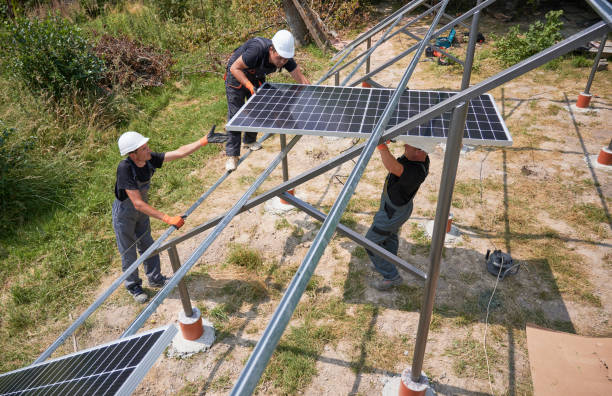
Ground-mounted solar requires expertise beyond rooftop systems.
These projects involve:
- Civil engineering
- Soil analysis
- Structural engineering
- Trenching
- Pile driving
- Utility coordination
- Stormwater management
A contractor who primarily installs rooftop systems may not anticipate hidden rock formations, poor soil conditions, or drainage issues.
Experience Matters
Look for an Arizona commercial solar contractor that performs:
- Engineering in-house
- Utility coordination
- Site assessments
- Geotechnical reviews
- Long-term service and maintenance
The lowest bid often becomes the most expensive project.
Future-Proof Your Investment
Smart business owners think beyond today’s energy bills.
Ground-mounted systems should be designed with future expansion in mind.
Consider:
- Battery storage integration
- EV charging infrastructure
- Additional solar capacity
- Monitoring upgrades
- Security fencing and cameras
Building for tomorrow today is almost always cheaper than retrofitting later.
Protect Your Solar Investment
Commercial solar is a long-term asset. Success begins long before the first panel is installed.
Avoiding these mistakes helps ensure stronger production, fewer surprises, and a better return on investment for decades to come.
If you’re considering a ground-mount solar installation in Phoenix, Scottsdale, Glendale, Mesa, Anthem, or anywhere in Arizona, work with a contractor that understands local soils, permitting requirements, APS and SRP processes, and the realities of the desert climate.
A thorough site assessment today can save thousands tomorrow.
Frequently Asked Questions
Most 100kW commercial ground-mount systems require between 0.25 and 0.4 acres, depending on panel spacing, setbacks, access roads, and maintenance clearances.
Yes. Ground-mounted systems generally qualify for the same federal tax credits and many utility incentives. However, interconnection studies and metering requirements may differ.
Commercial ground-mount systems must comply with ASCE 7 wind load requirements and local building codes. Many systems are engineered for wind speeds exceeding 110 mph to withstand severe monsoon events.
Often, yes. Agricultural-zoned properties may allow ground-mounted arrays with Conditional Use Permits and proper vegetation management pla
Most commercial systems benefit from professional cleanings two to four times per year. Sites near farms, highways, or industrial facilities may require more frequent service.
Yes. Security fencing is common for commercial systems and may be required by utilities or local jurisdictions. Fencing also protects equipment from vandalism and wildlife.
Absolutely. Arizona soils vary dramatically. Geotechnical testing helps determine the right foundation type and prevents expensive surprises during construction.
It depends on the property. Ground-mounted systems offer easier maintenance, greater expansion flexibility, and ideal panel orientation. They are often the preferred choice for businesses with ample land and high energy demands.
Most systems are designed to operate for 25 to 35 years. With proper maintenance and periodic equipment upgrades, many continue producing reliable energy well beyond that timeframe.