

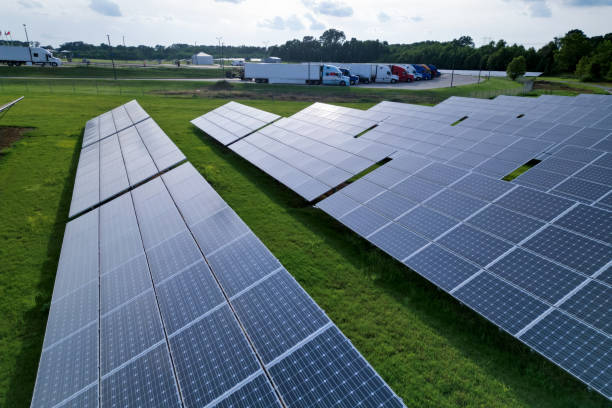
Arizona’s 300+ sunny days per year make it one of the best states in the U.S. for commercial solar installations. While many businesses turn to rooftop systems, commercial ground-mount solar installations offer a flexible, scalable, and high-performance option—especially for companies with available land.
In this guide, we’ll cover everything you need to know about commercial ground-mount solar in Arizona: from system design and installation steps to updated 2026 costs, permitting, ROI, and local utility considerations.
Why Choose Ground-Mount Solar in Arizona?
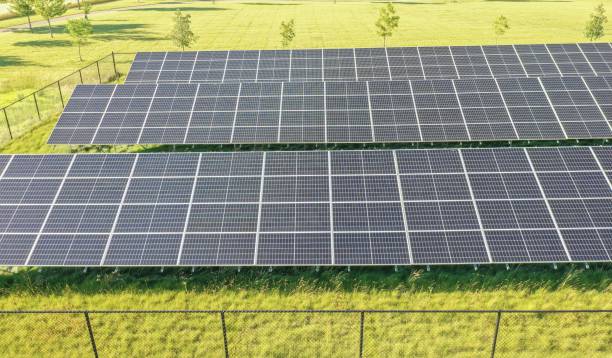
For Arizona businesses with available land—such as warehouses, industrial properties, farms, or office campuses—ground-mount solar offers multiple advantages:
- Higher efficiency and energy output
Panels can be precisely angled for optimal sun exposure (~25–35° is ideal in Arizona), often yielding 15–25% more electricity than rooftop panels. - Easy maintenance and accessibility
Ground-mounted panels are simpler to clean and repair—crucial in Arizona’s dusty climate—saving time and maintenance costs. - Design flexibility
Ground-mount systems can be placed away from structures, avoid shading from rooftop equipment, and allow for future system expansion.
Types of Ground-Mount Solar Systems
There are two main types of ground-mount solar systems:
1. Standard Ground-Mounts
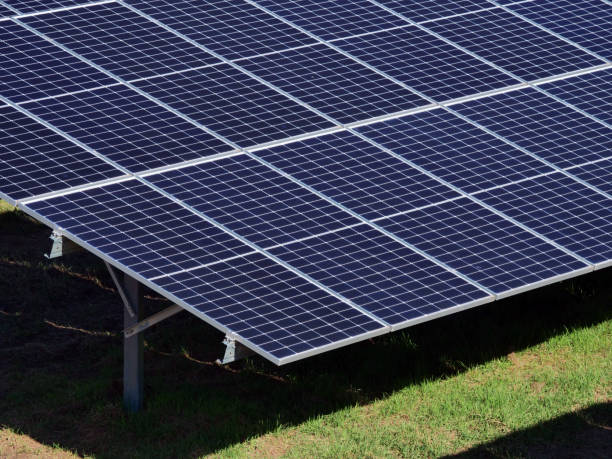
These are fixed-tilt systems installed at a set angle. They’re the most common and affordable option.
- Cost-effective
- Minimal moving parts (low maintenance)
- Ideal for flat, open land
2. Pole-Mounts & Tracking Systems
These use single or dual-axis tracking to follow the sun throughout the day.
- Higher energy output (up to 25% more than fixed)
- More complex installation
- Higher upfront cost but greater long-term ROI
Design Considerations for Arizona Businesses
When planning your ground-mount solar installation in Arizona, keep the following in mind:
- Tilt and orientation
Tilt should align with your latitude (~33° for Phoenix) to capture maximum sun. South-facing orientation yields best results. - Soil type and ground conditions
Arizona’s desert soil may require additional excavation, trenching, or concrete foundations. - Wind and weather
High winds and summer monsoons mean your system must meet local engineering and wind load standards. - System size and power needs
Conduct a detailed energy usage analysis to size your system properly. Many commercial systems range from 50kW to several megawatts.
Step-by-Step Installation Process
1. Site Evaluation and Engineering
Your solar provider will inspect the site, analyze soil and sunlight conditions, and assess system size based on energy usage and available land.
2. Permitting and Utility Coordination
Ground-mount systems require county and city permits. Your installer will handle applications, engineering stamps, and utility interconnection approvals.
3. Excavation and Racking Installation
After site prep, metal support racking is driven or concreted into the ground.
4. Panel and Inverter Installation
Solar panels and inverters are mounted and wired. Inverters convert DC electricity to usable AC power.
5. Utility Interconnection and Final Inspection
Once installed, your utility company inspects and approves system connection to the grid.
Suggested New Section: Ground-Mount vs. Rooftop vs. Carport Solar for Arizona Businesses
Ground-Mount vs. Rooftop Solar: Which Is Better for Your Arizona Business?
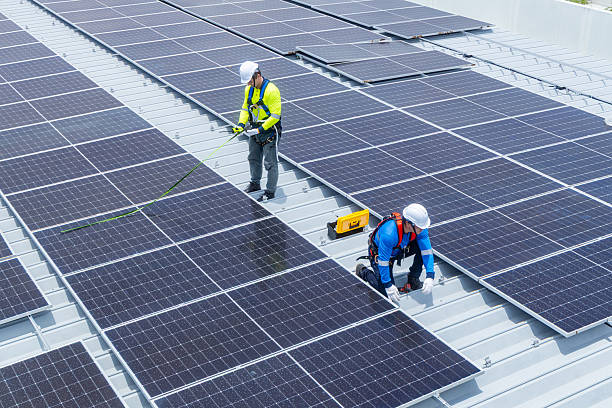
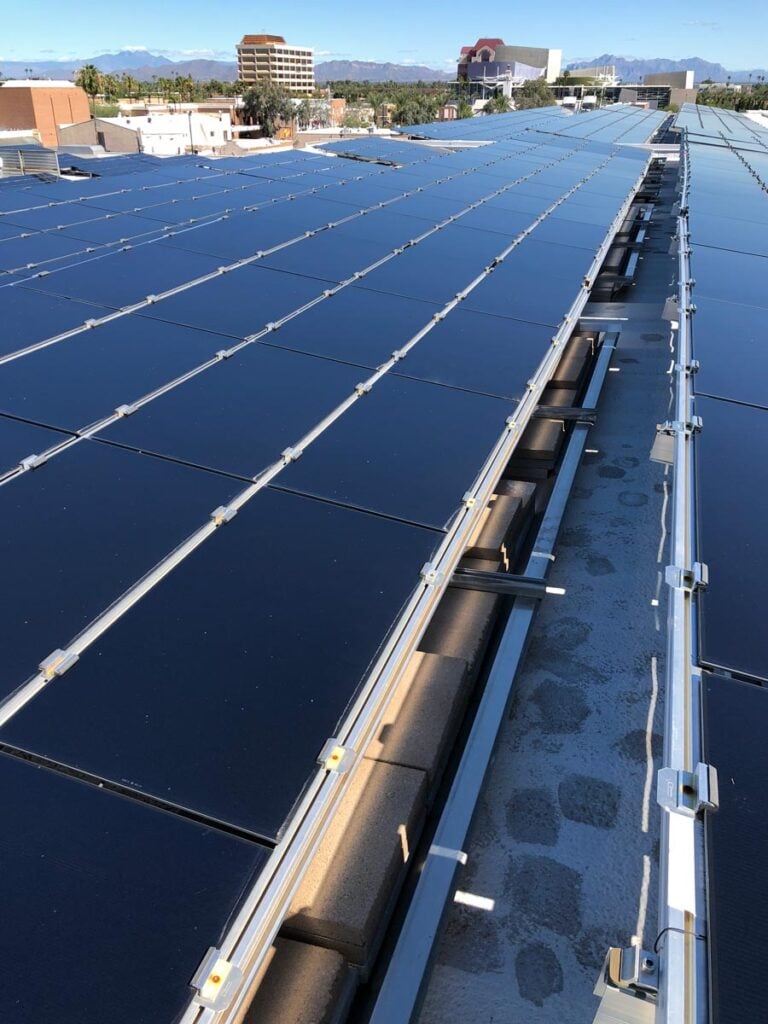
Arizona businesses often debate rooftop vs. ground-mount systems. Rooftop is common for urban properties, but ground-mount shines when land is available (e.g., warehouses, farms, or large lots in Phoenix metro or rural areas).
- Energy Production — Ground-mount panels can produce 15–25% more energy. You control tilt and avoid roof shading.
- Maintenance — Easier access = simpler upkeep.
- Installation & Scalability — Ground-mount allows for much larger systems.
- Cost — Slightly higher upfront, but often a better long-term investment.
- Aesthetics & Land Use — Uses otherwise idle land, and can double as shade.
| Aspect | Ground-Mount | Rooftop | Solar Carport (Bonus Option) |
| Best For | Available land, max output | Limited land, urban sites | Parking lots, dual-use |
| Energy Yield | Highest (optimal angle) | Good, but shading risks | High, with tracking options |
| Upfront Cost | Higher (~$2.50–$3.00/W) | Lower (~$2.30–$2.80/W) | Mid-range |
| Maintenance Ease | Excellent | Moderate (roof access) | Good |
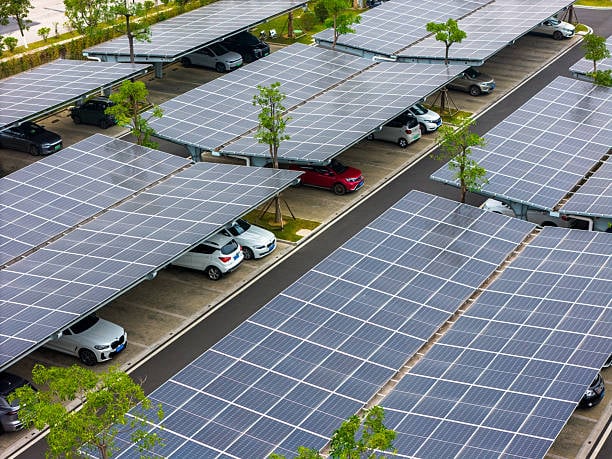
| Arizona Advantage | 300+ sunny days maximized | Uses existing structures | Shade for vehicles/employees |
Updated Costs for Arizona Commercial Ground-Mount Solar (2026 Data)
As of 2026, costs for commercial ground-mount solar systems in Arizona are as follows:
- $2.50–$3.00 per watt, depending on system size, site conditions, and labor
- Larger projects (100 kW and up) benefit from lower per-watt pricing due to scale
Example:
A 100 kW system would cost $250,000–$300,000 before incentives.
Breakdown:
- Equipment (panels, inverters): 50% of cost
- Site work (grading, racking, wiring): ~30–40%
- Permits and soft costs: ~10% (varies by county)
Tip: Always get site-specific quotes from multiple experienced Arizona commercial solar contractors.
Incentives, Tax Credits & ROI in Arizona (2026 Update)
Key Incentives
- Federal ITC (Investment Tax Credit) – 30% through 2026
(e.g., $90,000 savings on a $300,000 system) - Bonus Depreciation – 20–40% year one (varies)
- State Incentives – Limited, but some utility rebates (e.g., APS/SRP) and local grants may apply
- Net Billing – Excess production earns credits with most AZ utilities
Typical Payback Period
Most Arizona businesses recover their investment in 5–10 years, with 25+ years of energy savings and utility cost protection.
Example:
Offsetting 80% of a business’s electricity could save $15,000–$30,000 per year, leading to over $500,000+ lifetime savings.
Common Challenges (And How to Overcome Them)
- Zoning & Permits – Some counties limit height (e.g., 8 ft max in parts of Maricopa County). Choose an experienced installer familiar with local codes.
- Soil & Site Conditions – Arizona desert soil may need deep foundations or trenching. Proper site evaluation is critical.
- Utility Interconnection – Can take months. Begin planning early.
- Security – Consider fencing, lighting, and monitoring for rural ground systems.
FAQ: Arizona Ground-Mount Solar for Commercial Use
Yes, if land is available. Ground-mount often yields more energy and is easier to maintain.
Roughly 5–10 acres per megawatt (MW), depending on layout.
Pole mounts allow tracking and better sun exposure, but cost more and require more complex installs.
Yes—if engineered for local conditions and installed by a licensed contractor.
Approximately $2.50–$3.00 per watt, depending on project size and site complexity.
Typically 5–10 years, faster than the national average.
Yes, the 30% Federal ITC is still available—but may change post-2026. Arizona state incentives are limited, but utilities may offer local rebates.
Final Thoughts: Is Ground-Mount Solar Right for Your Business?
If you’ve got the land, there’s a strong chance that the benefits of ground-mount solar make it your best long-term option. The ROI in Arizona is especially compelling thanks to sun exposure, utility rates, and available federal incentives. And with the ITC potentially changing after 2026, the time to act is now.
Need help evaluating your site or comparing options?
Let’s talk! Watt Masters has helped Arizona businesses install millions of watts of commercial solar—from rooftop to carport to ground-mount. We’ve got the electrical expertise, trenching crews, and commercial solar pros you need for a job done right.
📞 Contact us today to schedule a free site assessment and get a custom quote.
Let me know if you’d like this converted to HTML or Elementor JSON for web use.