

As solar panel installation becomes more affordable, Arizona businesses are taking a closer look at how renewable energy fits into their long-term strategy. I have seen it firsthand. Companies that once dismissed solar as too expensive are now asking a different question: how fast can this pay for itself?
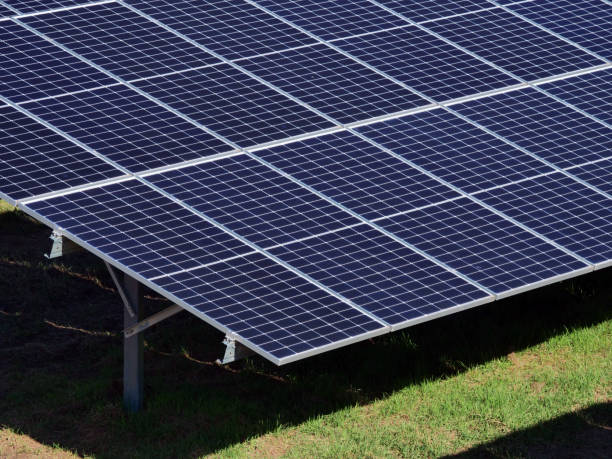
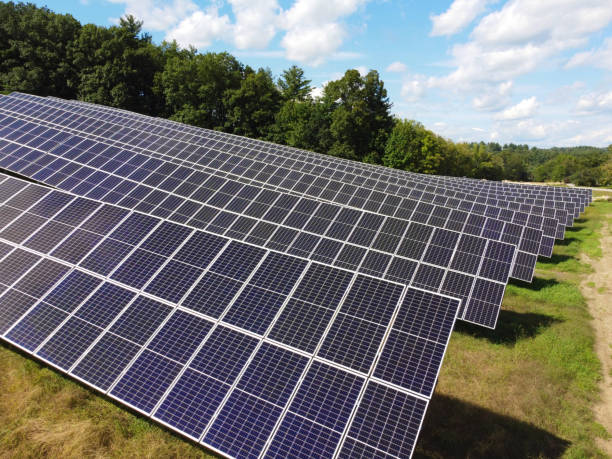
For many commercial and industrial sites, ground-mount solar installations offer advantages that rooftop systems simply cannot match. Especially here in Arizona, where open land and sunshine are plentiful, ground-mounted systems can turn unused property into a serious energy asset.
If your business owns land, this option deserves real consideration.
Why More Arizona Businesses Are Choosing Ground-Mount Solar
Arizona is built differently than many states. We have space. We have sun. And we have rising energy costs that are pushing businesses to look for long-term solutions.
Ground-mount solar systems are ideal for companies that:
- Operate on large parcels of land
- Have high or growing energy demands
- Want maximum system efficiency and scalability
- Prefer easier maintenance access
Unlike rooftop systems, ground-mounted solar arrays are not limited by roof size, age, or structural constraints. That flexibility alone can make a major difference.
Tailoring a Solar Setup for Large-Scale Operations
Big organizations do not all operate the same way. Manufacturing plants, warehouses, agricultural operations, and logistics centers all have different energy profiles.
Ground-mount solar allows for custom system design, optimized panel tilt, orientation, and spacing. This helps maximize energy production while staying compliant with local zoning and utility requirements.
For Arizona businesses with available land, this approach often unlocks more power at a lower long-term cost.
Benefits of Ground-Mounted Solar Panels for Commercial Use
1. Better Use of Available Space
Large companies often own surrounding land that serves little purpose beyond buffer zones. Ground-mount solar turns that space into a productive asset.
Scaling up is also easier. Adding panels at ground level is far less disruptive than expanding a rooftop system that requires cranes, roof penetrations, or structural reinforcement.
2. Designed for Large Energy Loads
Industrial and commercial operations require consistent, high-output power. Ground-mounted systems allow for larger arrays, making it easier to offset a significant portion of your electricity usage.
In Arizona’s climate, that translates into strong, predictable production year after year.
3. Optimal Positioning for Arizona Sun
This is where ground-mount solar really shines.
Panels can be positioned at the ideal tilt and direction to capture maximum sunlight. They also avoid shading from nearby buildings and allow better airflow, which helps reduce heat-related efficiency loss during Phoenix summers.
4. Easier Maintenance and Access
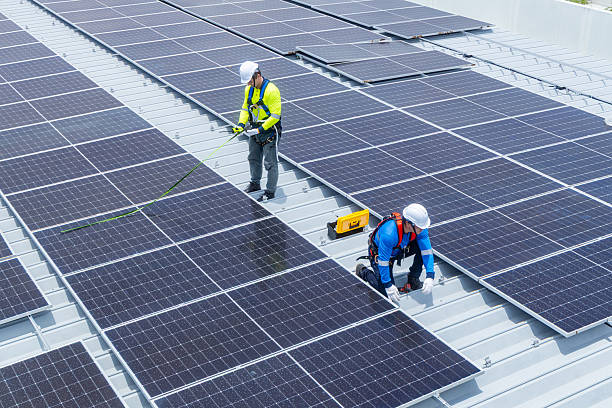
Maintenance crews love ground-mounted systems. Inspections, cleaning, and repairs are faster and safer without roof access issues.
Inverters and wiring housed at ground level also reduce downtime and make troubleshooting simpler.
5. Branding and Public Perception
Some people worry about aesthetics. In reality, visible solar panels often send the opposite message.
For today’s customers, partners, and employees, a ground-mounted solar system signals leadership and environmental responsibility. It can be a powerful branding tool in an increasingly eco-conscious market.
Costs and ROI of Ground-Mount Solar Installations in Arizona
Commercial ground-mount solar systems in Arizona typically range from $2.50 to $4.00 per watt before incentives. Pricing depends on system size, foundation requirements, soil conditions, and engineering needs.
Larger projects usually benefit from economies of scale.
Typical examples:
- 500 kW system: approximately $1.25 to $2 million upfront
- 1 to 5 MW industrial system: $2.5 to $10 million or more
After federal incentives and accelerated depreciation, net costs often drop 40 to 60 percent. With Arizona producing roughly 1,800 to 2,200 kWh per kW annually, many businesses see payback in 6 to 10 years.
That leaves decades of low-cost energy.
Incentives and Financing for Ground-Mount Solar in Arizona
Solar incentives remain one of the biggest advantages for commercial projects.
- Federal Investment Tax Credit (ITC)
Businesses can claim a 30 percent tax credit on eligible system costs. - Bonus Credits
Additional incentives may apply for domestic content, energy communities, or workforce programs. - MACRS Accelerated Depreciation
Allows solar assets to be depreciated over five years, often recovering a large portion of the investment early. - Property Tax Exemption
Solar installations do not increase assessed property value in Arizona. - Utility Programs
APS, SRP, and other utilities offer net billing credits for exported energy.
Many businesses also choose financing options like PPAs or solar leases to reduce upfront costs.
Ground-Mount vs. Rooftop Solar for Commercial Sites
Ground-mount systems often outperform rooftop installations in Arizona.
- Higher energy yield due to optimal tilt and airflow
- Easier maintenance and long-term serviceability
- Better scalability for growing operations
- Fewer structural limitations
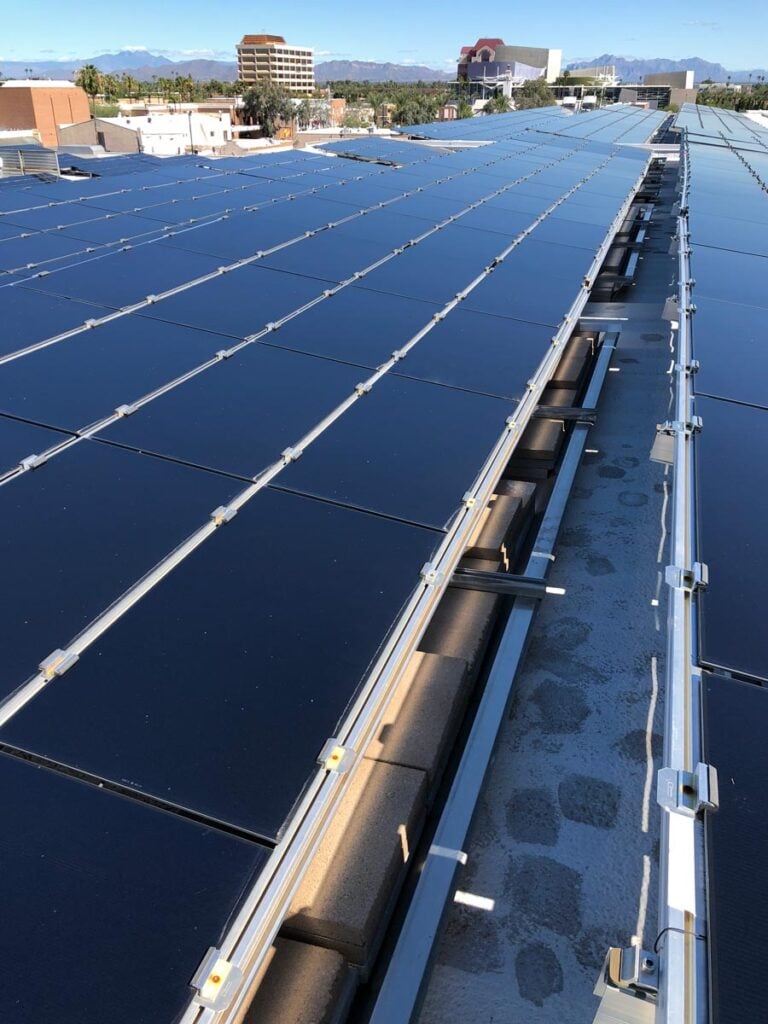
Rooftop solar still has its place, but when land is available, ground-mount solar often delivers stronger results.
Real-World Examples of Ground-Mount Solar in Arizona
Arizona has no shortage of successful projects.
Large agricultural operations near Willcox have adopted multi-megawatt ground-mount arrays to power greenhouse production. Industrial sites across the Phoenix metro area use ground-mounted systems to offset manufacturing loads and stabilize energy costs.
These installations show how adaptable and reliable ground-mount solar can be across industries.
Why Arizona’s Climate Is Ideal for Ground-Mount Solar
Phoenix and surrounding areas receive over 3,800 hours of sunshine each year, among the highest in the world.
Ground-mounted systems take full advantage of this with adjustable tilt angles, often between 25 and 35 degrees, and wide spacing that improves cooling. The result is 15 to 25 percent higher efficiency compared to constrained rooftop systems.
Minimal shading in open commercial zones only adds to the advantage.
The Installation Process for Commercial Ground-Mount Solar
A professional installer will guide you through:
- Site evaluation and soil analysis
- Custom system design and engineering
- Permitting and utility coordination
- Foundation and racking installation
- Panel installation, testing, and commissioning
Depending on size, commercial projects typically take 3 to 12 months from planning to activation.
Choosing the Right Ground-Mount Solar Installer in Arizona
This is not a DIY project.
Look for installers with:
- NABCEP certification
- Proven commercial and industrial experience
- Familiarity with Arizona soil, heat, and utility rules
- Strong warranties and long-term support
A qualified team helps avoid costly mistakes and ensures your system performs as promised.
Final Thoughts: Is Ground-Mount Solar Right for Your Business?
For Arizona businesses with available land, ground-mount solar installations can be one of the smartest energy investments available.
They deliver high production, strong ROI, easier maintenance, and long-term cost control in a state built for solar success.
If you are considering ground-mounted solar, start with a professional site assessment and real numbers. The land you already own may be your most valuable energy resource yet.