

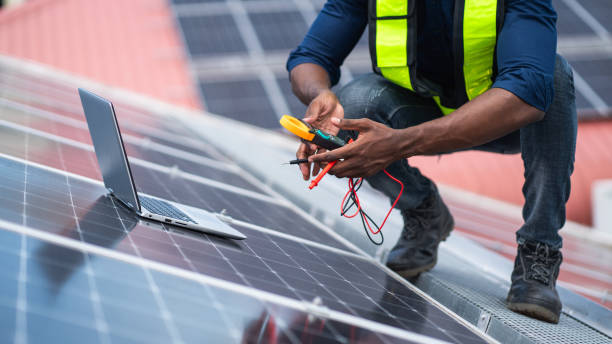
The fiscal returns and branding opportunities of green energy make it a no-brainer for businesses operating in the current climate. Harnessing the sun’s energy is a sustainable move to power corporations and move away from fossil fuels. But let’s be honest, it’s not all sunshine and savings. Commercial solar maintenance in Arizona face brutal conditions, and they demand consistent care to keep producing at peak performance.
Solar Maintenance: Not Just Washing Your Panels
Taking care of a commercial solar system isn’t as simple as spraying down a few panels. Homeowners may get away with DIY cleans, but businesses run large-scale systems that power entire operations. These arrays need specialized attention, tailored to Arizona’s environment.
Operations and Maintenance (O&M)
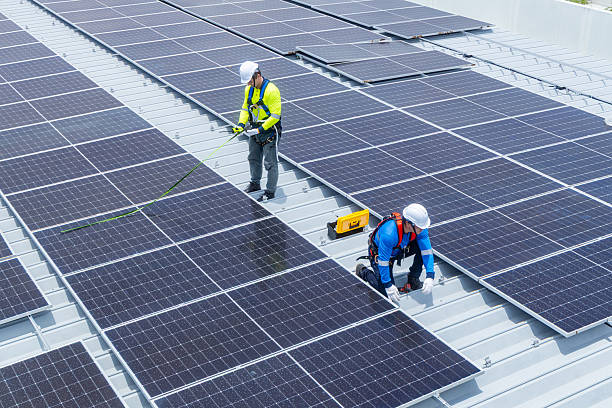
Commercial-grade O&M prevents dust, soiling, cracks, and corrosion. The goal? Extend the lifespan of your photovoltaic (PV) system and avoid costly solar panel repairs in Phoenix that can sneak up when you least expect them.
Inverter Troubleshooting
Inverters are the heart of any solar system. They’re responsible for converting sunlight into usable electricity. Keeping an eye on display settings, error codes, and potential overheating is critical. If your inverter’s throwing a tantrum, chances are your system is too.
Preventative Maintenance
Think of this as your solar system’s regular checkup. Routine cleanings, thermal scans, and system checks reduce the risk of breakdowns and maximize performance. For Arizona businesses, deep cleans should happen at least every six months.
Performance Monitoring
Monitoring begins the moment your system goes live. Real-time data, manual checks, and IoT sensors combine to keep tabs on efficiency, detect drops, and trigger alerts when issues arise.
Checking for Hotspots
Hotspots are signs of trouble — damaged cells, failing inverters, or debris buildup. Thermal imaging helps pinpoint these problems early, saving you from bigger repair bills and production losses down the line.
Arizona-Specific Challenges for Commercial Solar Maintenance in Phoenix
Phoenix’s desert environment supercharges solar production thanks to 300+ sunny days a year, but it also accelerates wear. Dust storms (haboobs), high winds, pollen from spring blooms, and monsoon-season debris can cut panel efficiency by 20–30% if ignored. Extreme heat stresses inverters and connections, while bird droppings create acidic corrosion hotspots faster here than in milder climates.
From years working with Phoenix businesses—warehouses in the West Valley to offices in Scottsdale—regular maintenance isn’t optional; it’s what keeps systems generating at 95%+ capacity long-term. We’ve seen neglected arrays drop output significantly during peak summer months when energy demand (and rates) spike.
Upkeep-Focused Considerations for Solar Installation
Smart solar design anticipates maintenance. Choosing accessible layouts and components during installation can make a world of difference for long-term system health.
Design Considerations
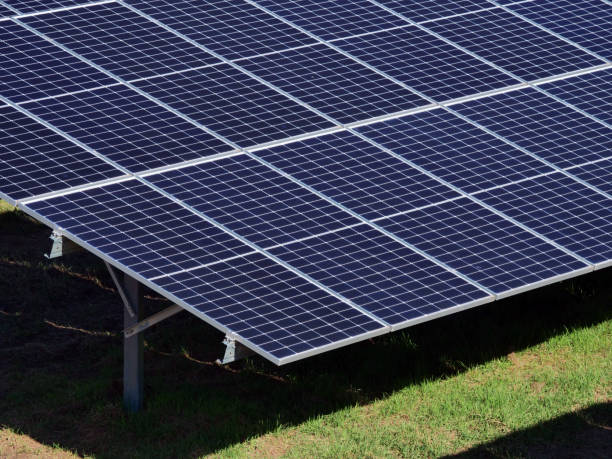
Ground-mount systems, string inverters, and clean cable layouts not only improve accessibility but reduce hazards. A well-planned system means safer conditions for technicians and fewer interruptions for you.
Solar Warranties
Know your coverage. Arizona’s solar warranties typically offer 25 years for panels and 10–12 years for inverters. Routine, documented maintenance helps ensure those warranties remain valid—and claimable.
Why Professional Care is Imperative for Commercial Solar
Proactive Service
You don’t wait until your car breaks down on I-10 to get an oil change, right? Solar systems are no different. Proactive inspections, thermal scans, and monitoring help resolve issues before they escalate.
Checklist for Maintenance and Repairs
Professional service covers:
- Basic panel washing
- Deep cleaning
- Tilt and performance monitoring
- Inspection of cabling, inverters, and racking
- Rodent and bird-proofing
- Tree trimming, where necessary
- Full code and safety compliance
Cost Effectiveness
Yes, there’s a cost to maintenance. But neglect is much more expensive. Routine care helps businesses avoid the big-ticket items—like full inverter replacement or fire risks from bad wiring.
Signs Your Commercial Solar System Needs Immediate Attention
If you’re in Phoenix, keep an eye out for:
- Sudden or gradual drop in energy production
- Inverter errors, shutdowns, or blinking lights
- Bird droppings, debris, or pollen layers on panels
- Hotspots (detected with thermal scans or touch)
- Unusually high utility bills despite solar use
- Odd sounds from inverters or mounting systems
Don’t ignore these red flags. In a high-heat, high-dust environment like Phoenix, delays mean dollars.
The Real Cost Savings of Proactive Commercial Solar Maintenance in Phoenix
Let’s talk numbers:
- Clean panels = 5–25% boost in output
- Preventative inverter checks = Save $5k–$15k on replacements
- Hotspot fixes = Longer panel lifespan, fewer replacements
- Fewer outages = Lower operating costs
Typical Phoenix systems (50–200 kW) spend $0.50–$1.50 per panel annually on maintenance. ROI? Often 3x–5x in saved repairs, boosted energy output, and extended system life.
Pair that with APS or SRP time-of-use rates, and proactive maintenance becomes a no-brainer.
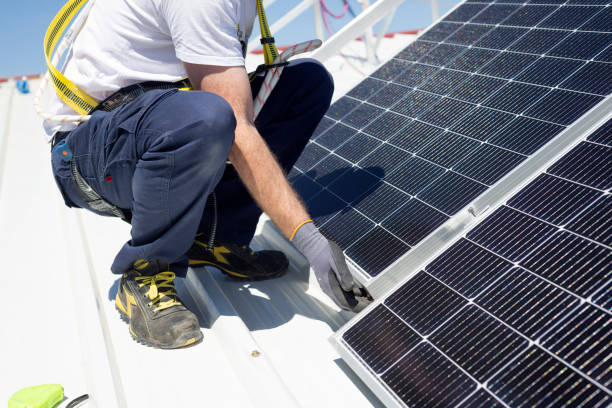
Choosing the Right Commercial Solar Maintenance Provider in Phoenix
Not all providers are created equal. Here’s what to look for:
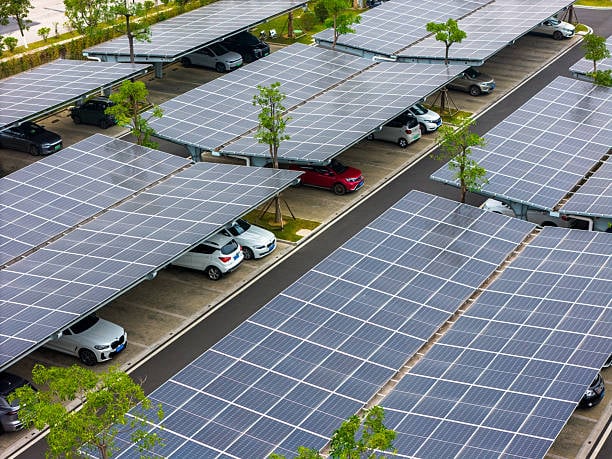
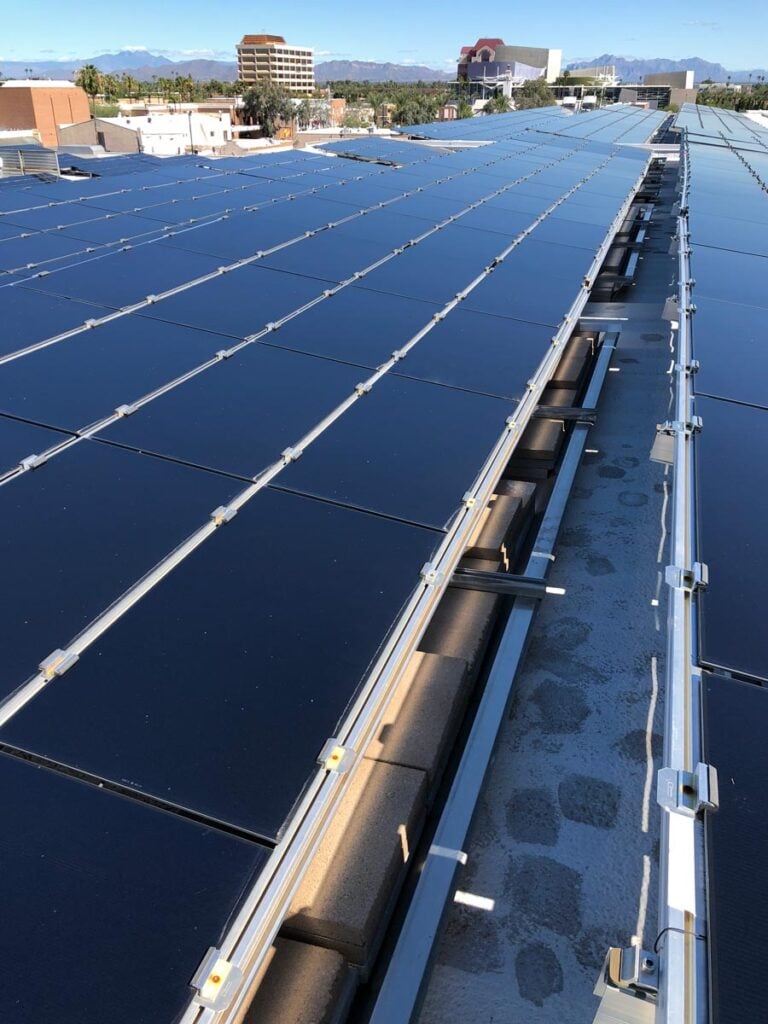
- Experience with commercial-scale systems (carports, rooftops, ground-mount)
- NABCEP certification
- Drone inspections, thermal cameras, and real-time monitoring tools
- Local reputation with Phoenix-area businesses
- Flexible service contracts
- Transparent pricing
- Responsive emergency support
Bonus: Many providers will service systems they didn’t install. Ideal if your original installer vanished (it happens).
FAQ
In Phoenix, at least twice a year—after spring pollen and post-monsoon. Dust storms and pollen can cut production fast.
Barriers, mesh, and spikes that deter nesting and droppings, protecting performance and preventing corrosion.
It reduces performance losses from shade, dirt, or equipment failure—localized issues don’t take down the whole system.
Clean panels, regular inspections, inverter maintenance, and software monitoring.
Dust from haboobs and wind can build up quickly. Monsoons leave behind mud and debris. Cleanings in spring and fall are essential.
From $500 to $3,000+ per year, depending on system size and service frequency.
Absolutely. Keeping logs and receipts of professional maintenance helps validate claims.
If they’re still in business and responsive, sure. Otherwise, independent providers can offer faster service and unbiased evaluations.
Ready to protect your solar investment? Contact a trusted Phoenix commercial solar maintenance expert today and ensure your system stays clean, efficient, and problem-free—no matter what the desert throws at it.