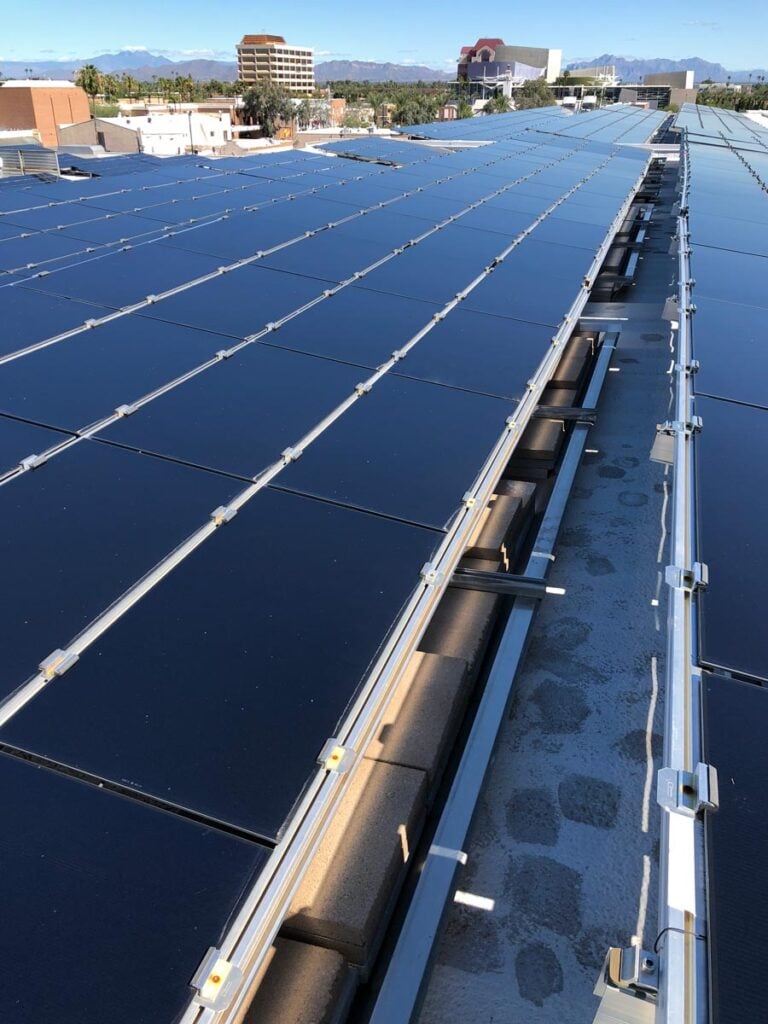
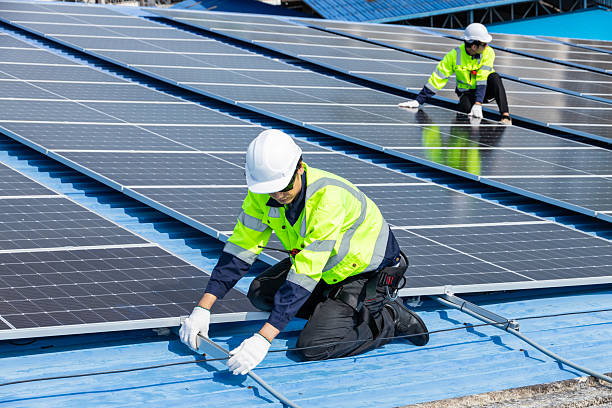
Featured Snippet: What Are the Signs a Commercial Solar System Needs Repair in Summer?
A commercial solar system may need immediate maintenance or repair if you notice a sudden drop in production, inverter fault codes, storm damage, electrical hot spots, buzzing sounds, burning smells, loose mounting hardware, pest activity, or heavy dust buildup. In Phoenix, summer heat, monsoon winds, and dust storms make regular solar inspections especially important.
Phoenix summers are hard on almost everything, and commercial solar systems are no exception.
Yes, the long sunny days are great for energy production. But extreme heat, dust, monsoon storms, and electrical load spikes can put serious stress on panels, inverters, wiring, and mounting systems.
For Arizona businesses, that matters because your solar system is not just equipment on a roof. It is a financial asset. It is supposed to reduce utility costs, protect ROI, and keep producing reliably for decades.
The earlier you catch a problem, the less expensive it usually is to fix.
Why Summer Solar Maintenance Matters in Phoenix
Commercial photovoltaic systems are built to handle tough conditions, but summer in Arizona is different.
During peak season, your system may face:
- 110°F+ outdoor temperatures
- Rooftop surface temperatures far higher than air temperature
- Dust storms and airborne debris
- Monsoon winds
- Hail or flying debris
- Heavy HVAC-related energy demand
- Increased inverter stress
A proactive commercial solar maintenance plan helps prevent small issues from turning into costly emergency repairs.
A Sudden Drop in Performance
Solar panels naturally lose some efficiency as temperatures rise. Most modules are tested at 77°F, but Phoenix rooftops often run much hotter than that.
Some summer performance loss is normal.
What is not normal is:
- A sudden drop in energy production
- A steady downward trend over several weeks
- Output that does not recover after cleaning
- One section of the array producing far less than the rest
Common causes include:
- Dust and pollen buildup
- Industrial particulates
- Bird droppings
- Cracked cells
- Failed bypass diodes
- Sub-string wiring issues
- Shading from new equipment or vegetation
If your monitoring dashboard shows a drop that looks unusual, start with professional commercial solar panel cleaning in Phoenix. If production still does not improve, it is time for a deeper diagnostic inspection.
Inverter Fault Codes and Overheating
Panels capture sunlight, but inverters do the heavy lifting of turning DC power into usable AC electricity.
That makes them one of the most important parts of your system.
Unfortunately, inverters are also sensitive to heat.
Summer warning signs include:
- Repeated fault codes
- Overheating alerts
- Production throttling
- Shutdowns during peak sun hours
- Unusual fan noise
- Communication failures
An inverter issue should never be ignored. A technician may need to:
- Check cooling fans and filters
- Test electrical connections
- Review inverter logs
- Update firmware
- Inspect for heat damage
- Confirm proper ventilation
Inverter repairs are usually much cheaper when handled early.
Monsoon Wind, Hail, and Storm Damage
Phoenix monsoon season can bring strong winds, dust storms, heavy rain, and flying debris.
After a severe storm, commercial solar systems should be checked for:
- Loose bolts or brackets
- Shifted racking
- Cracked panels
- Damaged flashing
- Compromised waterproofing
- Ballast movement
- Exposed wiring
- Clogged drainage areas
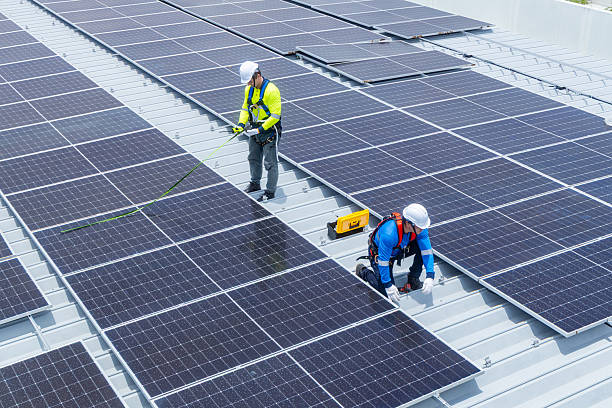
A commercial solar mounting hardware check after a major storm helps confirm your racking system is still secure and your roof remains protected.
Storm damage is not always obvious from the ground. That is why professional inspections, including drone reviews and thermal imaging, can be valuable.
Electrical Hot Spots
Hot spots are one of the more serious warning signs in a commercial solar array.
They happen when a damaged or shaded cell creates resistance. Instead of producing power efficiently, that area turns energy into heat.
Left alone, hot spots can lead to:
- Cell damage
- Bypass diode failure
- Burn marks
- Reduced string output
- Panel failure
- Fire risk in severe cases
The best way to detect hot spots is with thermal imaging during peak sun hours. Infrared cameras can identify problem areas without shutting down the entire system.
That allows for targeted repairs instead of guessing.
Active Electrical Faults
Some warning signs are easier to notice and should be treated as urgent.
Call a technician immediately if you notice:
- Buzzing near combiner boxes
- Clicking sounds around electrical equipment
- Burning smells
- Melted insulation
- Scorch marks
- Tripped breakers
- Visible wire damage
These symptoms may indicate arcing, insulation failure, pest damage, or failing electrical components.
Do not wait on these. Electrical faults can escalate quickly in extreme heat.
Pest, Bird, and Vegetation Problems
Birds and rodents love the shelter under solar panels. Unfortunately, they can create real problems.
Common issues include:
- Chewed wiring
- Nesting material buildup
- Reduced airflow
- Panel soiling
- Fire hazards
- Hot spots from blocked airflow or shading
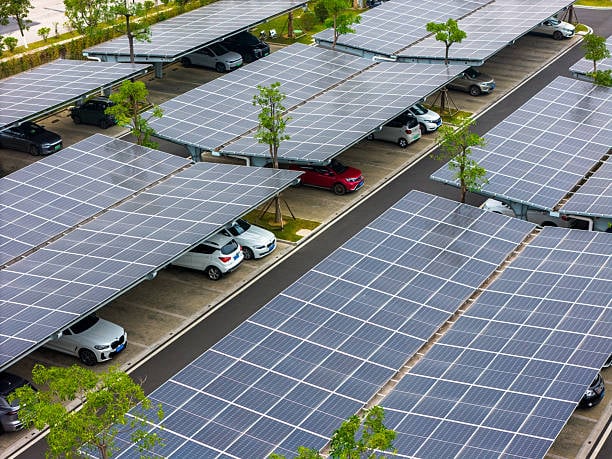
In Phoenix, bird-proofing and critter guards are often worth the investment, especially for larger commercial rooftop systems and carports.
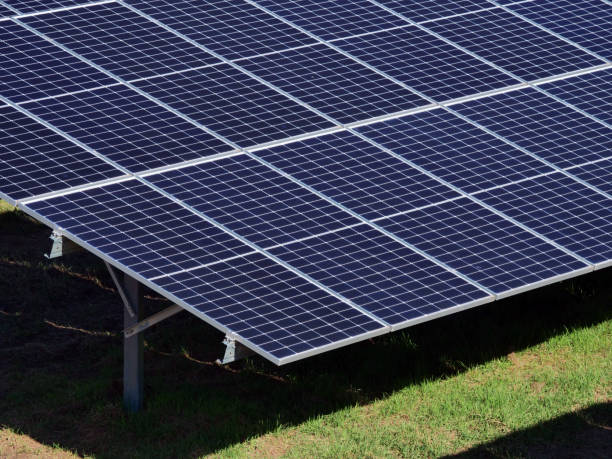
Vegetation around ground-mount arrays should also be managed to prevent shading, fire risk, and access problems.
Proactive Summer Maintenance Schedule for Phoenix Commercial Solar
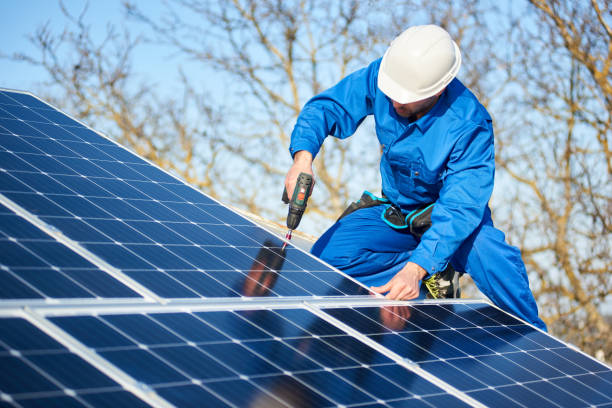
The best way to avoid emergency repairs is to stay ahead of problems.
Monthly
- Review monitoring dashboards
- Check for production anomalies
- Look for obvious dirt, debris, or alerts
Quarterly
- Schedule professional panel cleaning
- Inspect wiring, racking, and inverter ventilation
- Check for birds, rodents, or nests
After Major Storms
- Inspect mounting hardware
- Review drainage
- Check for cracked panels or shifted equipment
- Confirm system production returns to normal
Annually
- Perform thermal imaging
- Check electrical torque values
- Service inverters
- Verify monitoring accuracy
- Review full system performance
Good maintenance protects your warranty, improves production, and keeps ROI on track.
Protecting Your Solar Investment
A commercial solar system is built to deliver savings for 25 years or more. But during Arizona summers, heat, dust, storms, and electrical stress can quietly chip away at performance.
The good news? Most major failures start as small warning signs.
If your dashboard looks off, your inverter is throwing codes, or your system recently went through a monsoon storm, do not ignore it.
A professional commercial solar inspection can help catch the issue early, prevent downtime, and get your system back to peak efficiency.
Contact Watt Masters today to schedule commercial solar maintenance, repair, or troubleshooting in Phoenix, Scottsdale, Glendale, Mesa, Anthem, Ahwatukee, and throughout Arizona.
FAQ
Blocked drainage around mounting rails can cause water to pool during monsoon season. That can damage roof membranes, add unnecessary weight, and increase the risk of leaks.
Birds and rodents can chew wires, block airflow, create fire hazards, and cause panel soiling. Bird-proofing and critter guards help prevent long-term damage.
Small hail impacts can create microcracks that are hard to see at first. Over time, those cracks may expand, causing hot spots, reduced output, or panel failure.
Improperly sized strings can cause inverter clipping, overheating, and reduced energy production. Proper design and periodic testing help protect system performance.
Most commercial solar systems in Phoenix should be cleaned at least quarterly during high-dust periods. Some industrial sites may need more frequent cleaning.
Yes. Firmware updates can improve inverter performance, communication, heat management, and fault detection. They should be reviewed during routine maintenance.
Start with monitoring data, then confirm with a professional inspection. Thermal imaging, commercial solar maintenanceinverter log analysis, and electrical testing can quickly identify the cause.
After major storms, yes. Strong winds, debris, and heavy rain can loosen hardware, damage panels, or create drainage issues that are not obvious right away.