Commercial solar systems in Phoenix commonly lose efficiency because of extreme heat, dust accumulation, bird droppings, inverter issues, shading, and inadequate maintenance. Arizona’s harsh climate can reduce energy production by 10% to 30%, but regular inspections, cleaning, and professional diagnostics can restore output and protect long-term ROI.
Your Solar Investment Should Be Saving More
One of the biggest reasons businesses commercial solar installation in Phoenix is simple: lower energy bills.
With more than 300 sunny days a year, Arizona seems like the perfect place for solar. On paper, the numbers look fantastic. But if you’ve noticed that your actual energy savings don’t quite match those original projections, you’re not alone.
We’ve seen this happen with warehouses, manufacturing facilities, office buildings, and retail centers throughout Phoenix, Scottsdale, Glendale, and the surrounding Valley. Usually, there isn’t one catastrophic failure. Instead, it’s a combination of heat, dust, shading, and aging components quietly reducing performance over time.
The good news? Most of these issues are fixable.
Understanding what causes commercial solar underperformance is the first step toward protecting your return on investment.
The Effects of Heat
Most people associate sunlight with solar energy. That’s true. Solar panels need sunlight to generate power.
Ironically, excessive heat works against them.
Photovoltaic cells are electronic devices, and like most electronics, they become less efficient as temperatures rise. In other words, bright sunshine is great. Extreme heat is not.
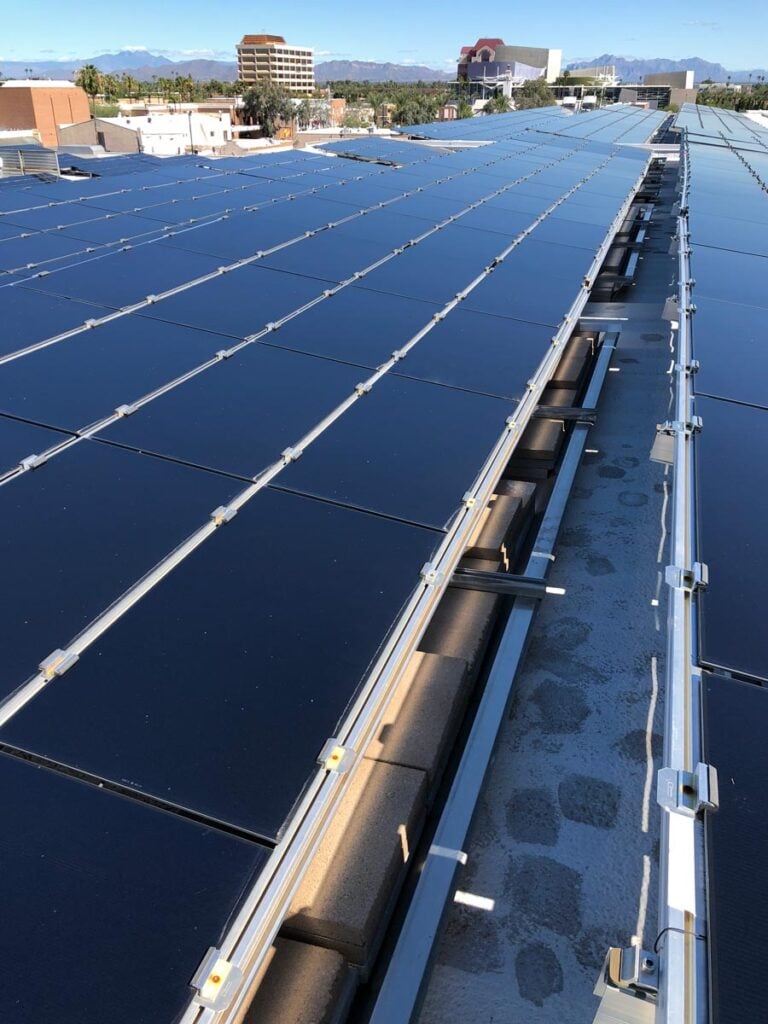
That’s especially important in Phoenix, where rooftop temperatures regularly soar well above 150°F during the summer.
Understanding the Temperature Coefficient
Most solar panels are tested under standard laboratory conditions at 77°F.
Once temperatures rise beyond that point, efficiency gradually declines. Manufacturers measure this performance loss using what’s called a temperature coefficient.
Lower temperature coefficients generally mean better performance in Arizona’s climate.
Proper airflow beneath the panels, elevated racking systems, and selecting high-quality modules all help minimize heat-related losses.
Real-World Heat Impact in Phoenix
In our experience servicing commercial solar systems throughout Phoenix, Scottsdale, and Glendale, cell temperatures often climb far above the standard 77°F rating during summer afternoons.
Most panels lose approximately 0.3% to 0.5% efficiency for every degree Celsius above the testing standard. During peak heat, that can translate into energy losses of 10% to 20%.
Businesses in Ahwatukee, Glendale, and Scottsdale frequently experience larger-than-expected differences between projected and actual production because of this heat soak effect.
Choosing premium modules with lower temperature coefficients and designing systems with adequate airflow can make a noticeable difference over the life of the system.
Soiling and Dust
Heat isn’t Arizona’s only challenge.
Dust may be the biggest enemy of commercial solar production.
Unlike wetter climates, Phoenix doesn’t get enough rain to naturally wash panels clean. In fact, monsoon storms often make things worse.
A light rain can mix with accumulated dust and pollen, creating a stubborn film that dries on the panel surface. That layer blocks sunlight and reduces production.
Over time, soiling losses can reduce output by 15% to 25%.
Professional solar cleaning is one of the simplest ways to recover lost production and maximize efficiency.
Monsoon Season Challenges and Bird Activity
Arizona monsoons don’t always clean solar panels. More often, they leave behind muddy mineral deposits.
Bird droppings create another challenge.
Besides blocking sunlight, bird waste is acidic and can accelerate panel degradation if ignored.
Common signs your commercial solar system needs attention include:
- Gradual declines in production over several weeks
- Visible haze or streaking after dust storms
- Reduced output after monsoon season
- Uneven performance across strings
- Increased energy bills despite sunny conditions
Professional cleaning using deionized water and non-abrasive methods restores output without risking warranty issues.
Hardware Issues
Solar panels get most of the attention, but they’re only one piece of the system.
The inverter serves as the brain of your commercial solar installation. Its job is to convert DC power from the panels into usable AC electricity.
When inverter temperatures climb too high, built-in protection mechanisms activate.
This process, called thermal throttling, intentionally limits output to prevent internal damage.
That’s often why production curves flatten during the hottest part of the day.
Installing inverters in shaded areas with proper ventilation can help minimize heat-related losses.
Shading, Clipping, and Monitoring Pitfalls
Heat and dust aren’t the only reasons commercial solar systems underperform.
We’ve seen systems lose production because of:
- New rooftop HVAC units
- Building expansions
- Tree growth
- Construction nearby
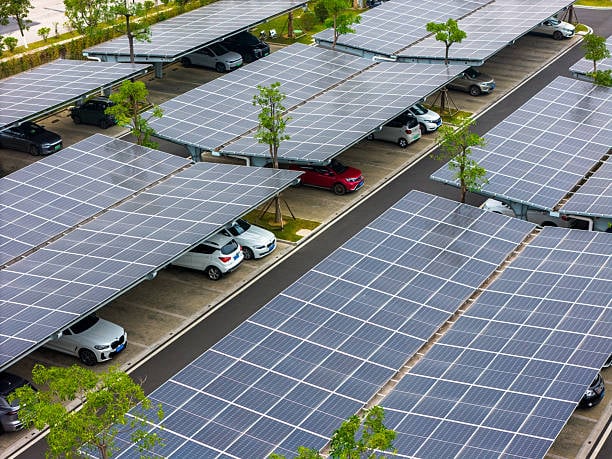
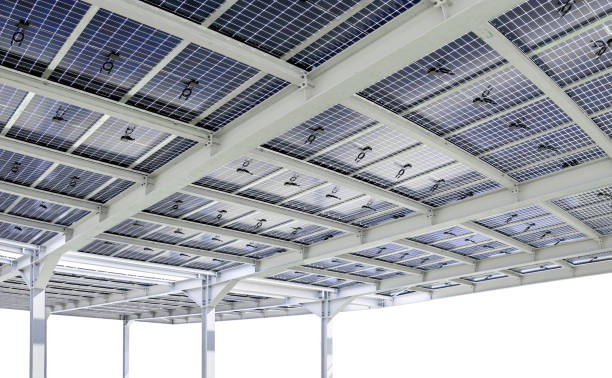
- Vehicle shadows beneath solar carports
Hard shadows create mismatches that affect entire strings.
Meanwhile, inverter clipping can become more severe when combined with thermal throttling.
Monitoring Isn’t Perfect
Many owners assume their monitoring dashboard tells the whole story.
Not always.
Monitoring systems report what the inverter sees, but they may not detect:
- Wiring losses
- Dust accumulation
- Utility meter discrepancies
- Partial shading
- Performance degradation
Annual calibration against actual utility bills helps uncover hidden losses.
Diagnostic Tools That Find Problems Fast
Professional commercial solar troubleshooting often includes:
Thermal Imaging
Infrared drones and thermal cameras locate:
- Hot spots
- Damaged cells
- Failing bypass diodes
- Loose connections
IV Curve Tracing
This diagnostic process helps detect:
- Resistance issues
- Potential Induced Degradation (PID)
- String mismatches
- Panel failures
Inverter Log Analysis
Reviewing inverter logs can uncover:
- Thermal throttling
- Clipping
- Fault codes
- Grid voltage fluctuations
Proper Oversight and Maintenance Matter
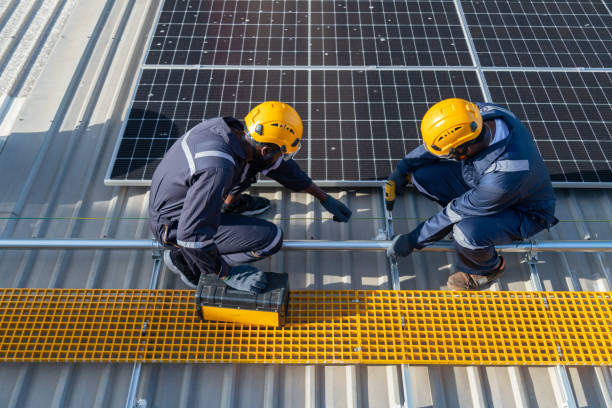
Solar systems aren’t “set it and forget it” assets.
Arizona’s environment is simply too harsh.
Regular maintenance does more than improve production. It protects warranties, catches problems early, and extends system life.
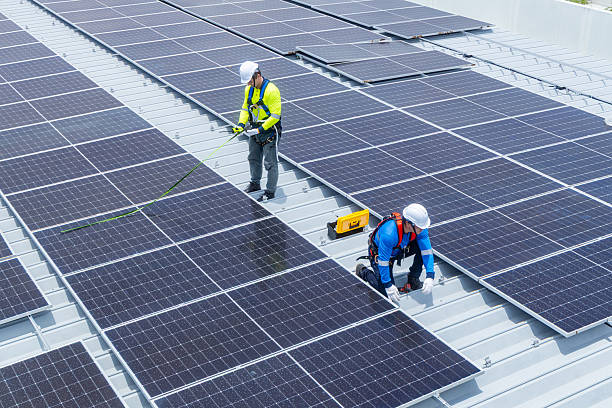
Thermal imaging inspections can identify developing issues long before they become expensive repairs.
Proactive Maintenance Protects Your ROI
Many commercial systems we evaluate across Phoenix lose 5% to 25% of annual production from preventable issues.
A structured maintenance program keeps performance where it should be.
Recommended Maintenance Schedule
Weekly
- Review monitoring dashboards
- Look for unexpected production changes
Quarterly
- Visual inspections
- Basic cleaning for dusty sites
- Remove debris and bird nests
Semi-Annually
- Professional panel cleaning
- Thermal imaging scans
- Additional inspections after monsoon season
Annually
- Full system audit
- Torque checks
- Inverter servicing
- Monitoring calibration
- Performance analysis
Keeping maintenance records also strengthens warranty claims and supports tax incentive documentation.
Real-World Example
One Phoenix-area warehouse experienced an 18% decline in production after two years with virtually no maintenance.
Following a professional audit, we discovered:
- Heavy dust buildup
- Minor shading from rooftop equipment
- Reduced airflow around the inverter
After cleaning, ventilation improvements, and shading adjustments, output rebounded significantly, restoring thousands of dollars in annual savings.
Stories like this are common throughout the Valley.
Securing Your ROI in 2026 and Beyond
Commercial solar remains one of the smartest long-term investments for Arizona businesses.
Federal incentives, Arizona tax credits, property tax exemptions, and net billing programs continue to improve payback periods.
But heat, dust, bird activity, and maintenance neglect can quietly erode those returns.
Don’t let small problems become expensive ones.
Watt Masters provides commercial solar troubleshooting, maintenance, inspections, and repair services tailored specifically for Arizona conditions.
Whether you’re in Phoenix, Scottsdale, Glendale, Ahwatukee, Mesa, or elsewhere across the Valley, our team can help restore your system to peak production.
Contact Watt Masters today for a comprehensive commercial solar performance evaluation.
Frequently Asked Questions
Most systems should receive professional deep cleanings at least twice per year. Facilities near highways, farms, or construction zones may require cleaning three to four times annually to maintain peak performance.
High-quality solar panels are designed to withstand Arizona’s climate. However, prolonged heat accelerates aging of internal components and reduces efficiency. Proper airflow and quality installation help minimize heat-related stress.
Yes. Shading, cracked cells, failed optimizers, microinverters, or damaged modules can cause one string to underperform. Thermal imaging and advanced diagnostics can quickly identify the source.
Production graphs normally form a bell-shaped curve. If the graph flattens during peak sunlight hours, your inverter may be clipping or experiencing heat-related throttling.
Tax credits and incentives deliver the greatest value when your system performs as designed. Regular maintenance helps protect payback periods, which typically range from five to eight years for commercial solar systems in Arizona.
Even in sunny Phoenix, shadows from HVAC units, trees, neighboring buildings, or rooftop equipment can reduce production. Drone surveys and module-level optimization help minimize these losses.
Absolutely. Cleaning, repairs, thermal imaging, and system optimization frequently restore 10% to 30% of lost energy production in commercial systems throughout Phoenix and surrounding areas.
Yes. Dust and soiling are among the biggest causes of energy losses in Arizona. Even a thin layer of dirt can significantly reduce sunlight reaching the panels, lowering overall system efficiency.
No. Monitoring systems are helpful, but they don’t tell the whole story. Annual professional inspections, thermal imaging, and system audits often uncover hidden issues that software alone misses.