

How AI Is Improving Ground-Mount Solar Performance
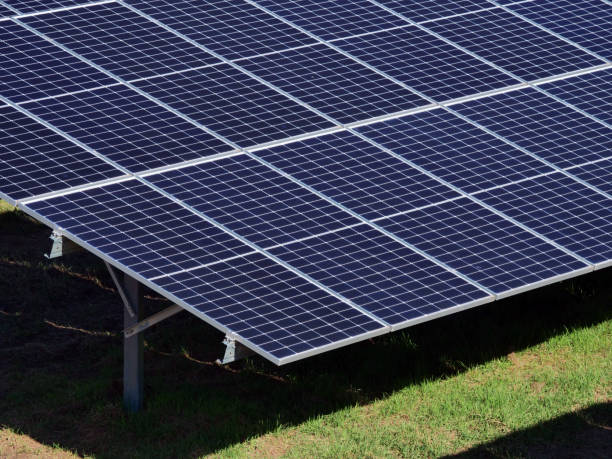
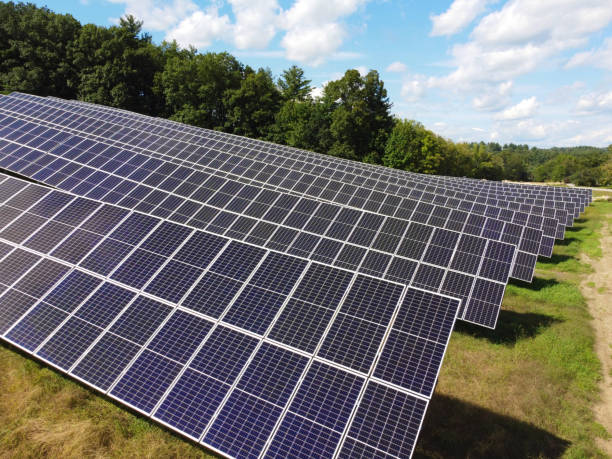
Businesses and commercial players across Arizona are turning their underutilized acreage to energy production assets through ground-mount solar. Converting unshaded land into a private clean power station gives them greater control over their energy overhead.
Despite their potential, traditional ground-based solar arrays encounter distinct environmental and structural hurdles that chip away at the system’s long-term efficiency. As with other industries, integrating artificial intelligence into commercial ground-mount solar installations in Phoenix can resolve a number of these hurdles.
Precision Site Analysis and Custom Layout Design
Processing Complex Environmental Data
Before a single post is driven into the ground, AI-powered design platforms analyze site-specific data.
Advanced algorithms process high-resolution topographical maps, soil composition reports, localized shading geometry, and decades of historical solar irradiance data. This exhaustive analysis establishes an accurate, data-backed foundation for the entire engineering phase.
Eliminating Shading and Minimizing Site Preparation
By calculating exact spatial relationships and seasonal sun angles, AI modeling determines the precise spacing and tilt required for every row of panels. This prevents self-shading within the array during the darker hours, minimizing costly civil grading and earth-moving expenses and preserving capital while maximizing land utilization.
Long-Term Asset Stability
Accurate planning separates high-performing ground mount solar systems in Phoenix, AZ from projects that require costly mid-construction revisions. Data-driven design ensures that ground anchors, structural racking, and electrical runs are matched to the exact physical demands of the site. This approach also helps businesses better understand commercial ground mount solar cost by accounting for site conditions, structural requirements, and installation needs from the start, establishing an array built for long-term structural integrity.
Dynamic Tracking for Maximum Daily Energy Yield
The Limitation of Fixed-Tilt Systems
Traditional ground-mounted systems remain fixed in a single position, missing optimal direct sunlight during early morning and late afternoon hours. While simple, these static installations cap total potential power generation and leave significant daily energy on the table during shoulder hours. Contact us today.
Real-Time Solar Orientation
Unlike fixed-tilt arrays, single-axis or dual-axis trackers use artificial intelligence to adjust the position of ground mounted solar panels in real time.
Instead of relying on rigid, pre-programmed clock angles, machine learning models use atmospheric sensors and cloud-cover forecasts to position the panels in the direction of maximum light exposure.
Superior Daily Yields
When comparing the ground-mount solar installations that Phoenix businesses rely on, those equipped with smart tracking consistently deliver superior monthly energy yields.
By maintaining an ideal angle to the sun throughout the day, intelligent tracking systems capture significantly more peak sunlight hours, directly increasing generation capacity and shortening the payback window.
Active Maintenance and Environmental Adaptation
Desert Stressors and Operational Risks
Arizona’s notoriously arid environment introduces unique operational stressors, including high wind events, abrasive dust storms, and extreme thermal cycling.
Heavy dust accumulation, known in the solar industry as soiling, can rapidly drop energy output across an array, while heat-induced electrical stress can lead to micro-cracks and premature inverter wear.
Automated Diagnostic Monitoring
AI monitoring platforms continuously evaluate real-time performance metrics across individual strings and modules. By comparing current output against predictive baseline models, the software instantly detects micro-inefficiencies, thermal anomalies, or string drops.
Operators can receive precise alerts pinpointing the exact section requiring cleaning or electrical repair before a major system fault occurs.
Resilient System Operation
Reinforcing solar panels with durable ground mounting hardware with intelligent diagnostics ensures your array withstands local climate challenges without unexpected downtime.
Instead of waiting for a monthly utility statement to discover a drop in power generation, facility managers can rely on continuous, automated oversight to preserve peak system health.
Invest in a Self-Optimizing Energy Infrastructure
Artificial intelligence transforms simple ground-mounted infrastructure into a dynamic asset. From precision pre-construction layout design to real-time sun tracking and automated fault detection, smart software safeguards your capital while maximizing total energy output over the system’s 25-plus-year operational life.
If you are ready to build a ground-mount solar system that works as hard as your business does, partner with a team that supplements decades of expertise with modern, performance-focused technology. Reach out to our specialists today to discuss a customized, high-yield solar solution for your property.
FAQs
Smart trackers can continuously adjust the panels’ angles to follow the sun’s exact path throughout the day, ensuring maximum access to sunlight and peak yield as a result.
The monitoring software can utilize artificial intelligence to instantly flag unusual performance drops resulting from dust accumulation or minor electrical faults before they become costly failures.
Using specialized algorithms for a more refined site analysis optimizes the array’s layout to minimize land grading and wiring distances, lowering overall expenses.
Not really. Modern platforms can provide simple dashboards for effortless performance monitoring and automated maintenance alerts.