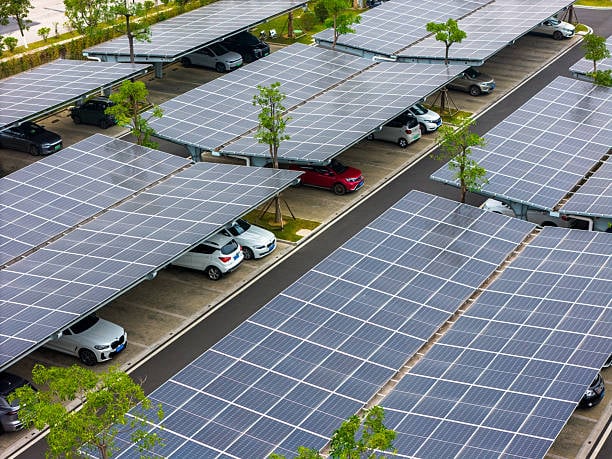

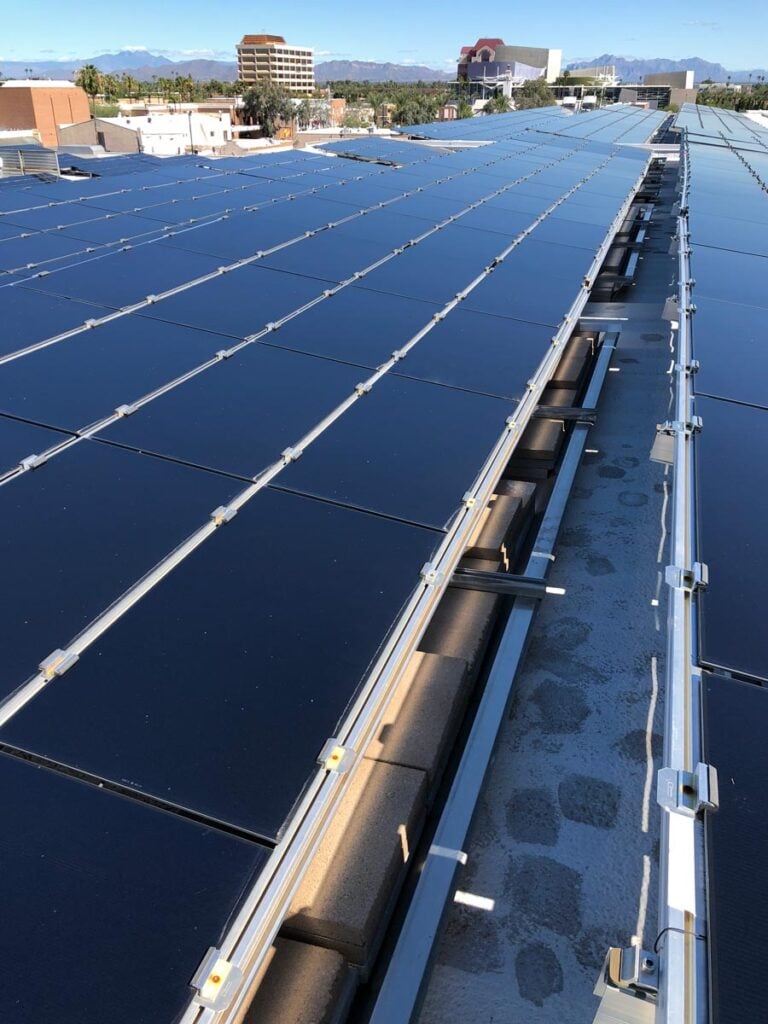

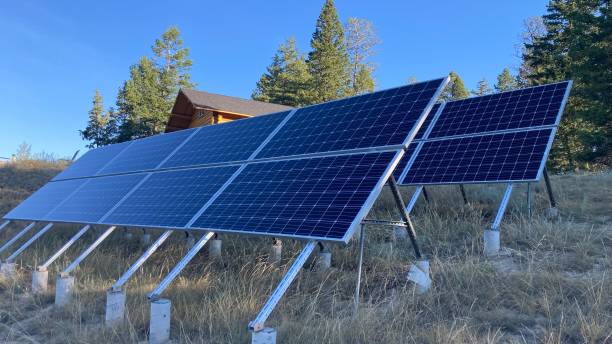
In Phoenix, Arizona, commercial ground mount solar systems typically require 80 to 100 square feet per kilowatt. A 1 MW system usually needs about 4 to 7 acres of land when factoring in spacing, access lanes, and setbacks. High-efficiency panels and optimized layouts can reduce total land requirements while increasing energy output.
It’s a known fact that commercial solar installation in Arizona comes with a different set of challenges than residential projects. But here’s the part many people miss. Those same challenges create some serious advantages, especially for businesses with available land.
We’ve worked with companies across Phoenix that had unused land sitting idle for years. Once they understood what a ground mount solar system could do, that land suddenly became one of their most valuable assets.
Ground-mounted systems give you room to build bigger, design smarter, and produce more power. But before you get too far into planning, there’s one question you need answered first.
How much land do you actually need?
Doing the Math
Every commercial solar project in Phoenix starts with a site assessment, and land requirements are one of the first things we look at.
As a general rule of thumb:
- You’ll need about 80 to 100 square feet per kilowatt (kW) of solar capacity
This includes panel spacing, which matters more than most people realize.
To put that into perspective:
- 100 kW system: 8,000 to 10,000 sq ft (about a quarter acre)
- 1 MW system: roughly 4 to 7 acres depending on layout and equipment
For larger operations like manufacturing facilities, hospitals, or universities, systems often fall in the 1 to 1.5 MW range. That’s where having available land really starts to pay off.
The Hardware Makes a Difference
Not all solar panels are created equal, and this directly impacts how much land you’ll need.
Higher efficiency panels generate more power in less space.
For example:
- High-quality monocrystalline panels: ~1.8 to 2.2 kW per 100 sq ft
- Standard polycrystalline panels: ~1.4 to 1.8 kW per 100 sq ft
That difference adds up fast on large commercial projects.
We’ve seen Phoenix installs where upgrading panel efficiency reduced land requirements enough to avoid costly site expansion. It’s one of those decisions that pays off long term.
Row Spacing Is More Important Than You Think
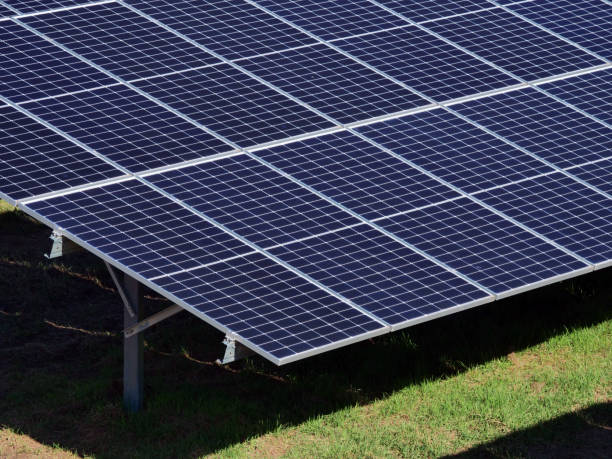
Ground-mounted solar isn’t like rooftop solar where panels are packed tightly together.
Spacing between rows is critical.
If panels are too close, one row will cast shadows on the next as the sun moves throughout the day. That means lost production, especially during winter months when the sun sits lower in the sky.
Proper spacing ensures:
- Maximum sunlight exposure year-round
- Consistent energy production
- Better long-term performance
In many cases, spacing alone can account for nearly half of the total land required.
Easier Maintenance (And Why That Matters in Phoenix)
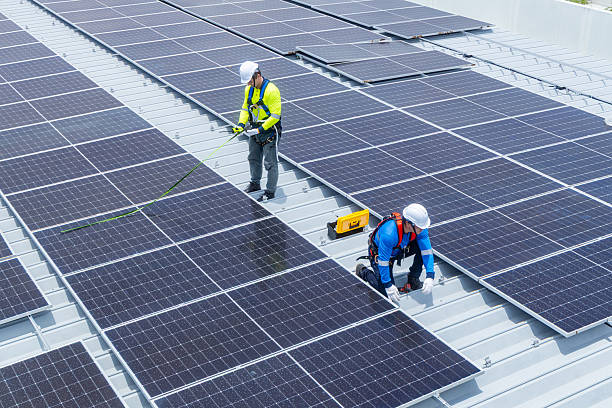
One of the biggest advantages of ground mount solar systems is accessibility.
In Phoenix, dust buildup is a real issue. Panels can lose efficiency faster than people expect, especially after wind events or during dry seasons.
Ground-level systems make it easier to:
- Clean panels regularly
- Inspect wiring and components
- Perform repairs without complex equipment
We always recommend including maintenance lanes in your layout. It may take up a bit more space upfront, but it reduces service time and costs down the road.
Zoning and Safety Regulations in Phoenix
Before installing a ground mount system, you’ll need to account for local zoning and safety requirements.
Most Phoenix-area jurisdictions require:
- Setbacks: Typically 5 to 10 feet from property lines
- Fencing: Security fencing around the system
- Access space: Clear perimeter for fire department access
These requirements don’t contribute to energy production, but they do increase total land usage.
In most cases, expect to add 10 to 30 percent more space beyond your core system footprint.
Why Phoenix Is One of the Best Places for Ground Mount Solar
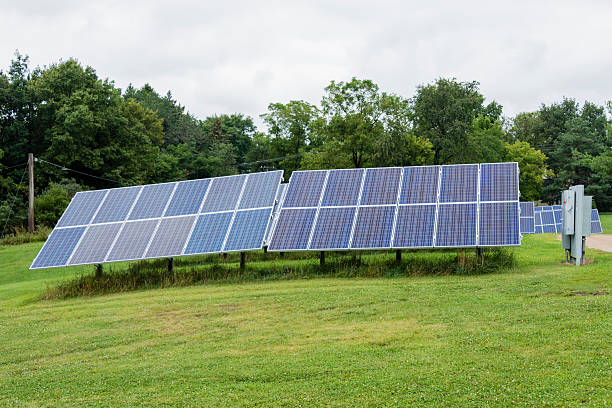
This is where Arizona really stands out.
Phoenix averages over 300 sunny days per year, with some of the highest solar irradiance levels in the country.
That means:
- More energy production per panel
- Faster ROI
- Less land needed compared to lower-sunlight regions
According to national renewable energy data, systems in Phoenix can produce significantly more electricity per acre than in most other parts of the U.S.
We’ve seen projects here outperform projections simply because the conditions are that good.
Updated Land Requirements for Modern Systems
With today’s high-efficiency panels and better system design, land use has become more optimized.
Here’s a more current breakdown:
- 100 kW system: 8,000 to 10,000 sq ft
- 500 kW system: 40,000 to 50,000 sq ft
- 1 MW system: 80,000 to 100,000 sq ft (base footprint)
Once you factor in spacing, access lanes, and setbacks:
- Expect 4 to 7 acres per MW for a complete commercial ground-mount solar cost in Phoenix
Advanced setups like bifacial panels or single-axis trackers can reduce land requirements while increasing output.
How to Calculate Land Needs for Your Property
If you want a quick way to estimate your own project, here’s a simple approach:
- Determine your system size based on energy usage
- Multiply kW by 80 to 100 sq ft
- Add 20 to 30 percent for spacing, access, and setbacks
- Adjust for site conditions like shading or terrain
Example:
A 750 kW system:
750 × 90 sq ft = 67,500 sq ft
- 20 percent buffer = ~81,000 sq ft
≈ 1.85 acres total
It’s not exact, but it gets you very close.
Real-World Ground Mount Solar in Arizona
We’ve worked on projects across Phoenix and the surrounding areas where ground mount systems delivered serious results.
- Industrial properties using unused land to offset 70 percent or more of their energy usage
- East Valley sites achieving higher output than rooftop systems due to better orientation
- Large-scale installs hitting strong ROI within 5 to 7 years
The common theme is simple. When the land is there, the opportunity is huge.
Desert-Specific Considerations for Phoenix Installations
Arizona conditions are unique, and your system needs to be built for them.
Key factors include:
- Dust accumulation that can reduce output if not cleaned regularly
- High temperatures that impact panel efficiency
- Soil conditions that may require specialized foundations
- Wildlife considerations like protected species
We design systems with these in mind from day one. It saves time, money, and headaches later.
Giving Your Business (And Your Panels) Room to Work
If your business has available land and high energy demand, ground mount solar is one of the most effective investments you can make in Phoenix.
But getting the space calculations right is critical.
Too small, and you limit production. Too large, and you waste valuable land.
A professional site assessment helps you strike that balance.
FAQ
Yes, they’re actually a great fit. Agrivoltaics combines solar energy production with agriculture, allowing land to serve two purposes at once. It’s becoming more common across Arizona.
They can. Burrowing owls are a protected species, so projects may require exclusion zones or designated habitats. Proper planning ensures compliance without delaying your project.
Yes. Softer or loose soil may require concrete ballasts or specialized foundations to support the system. Soil testing is an important part of the site evaluation process.
Most commercial ground mount systems are installed between 3 and 12 feet high, depending on design, tilt, and spacing requirements.
Most 1 MW commercial systems require about 4 to 7 acres when accounting for spacing, access lanes, and setbacks.