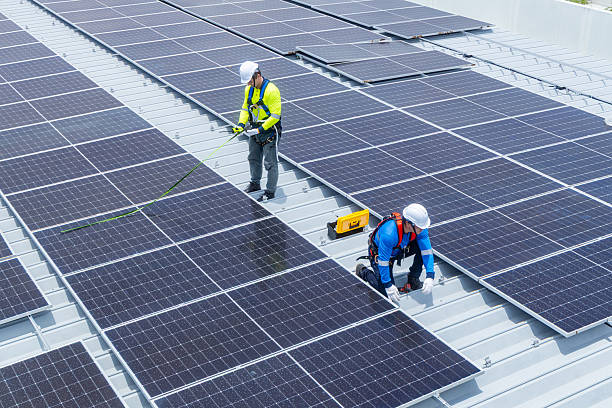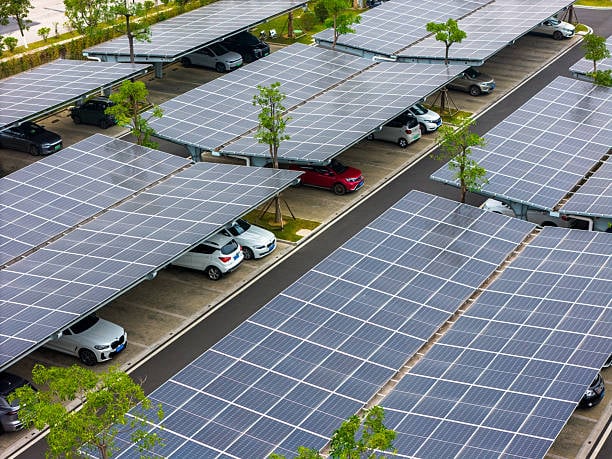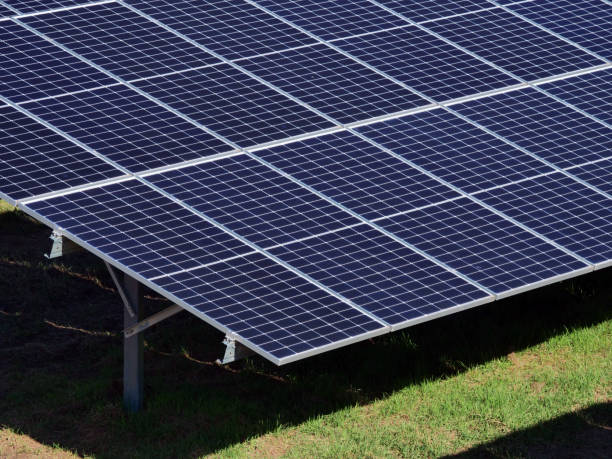

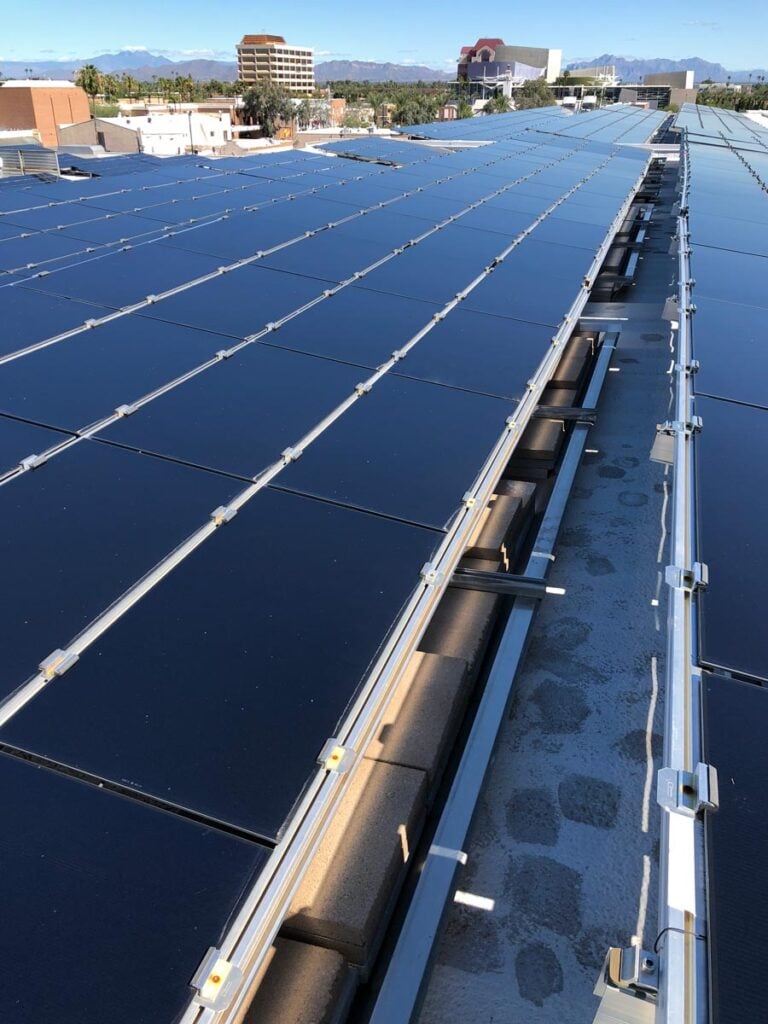

Commercial solar can be a strong long-term investment for Arizona businesses. But there is a frustrating scenario we see far too often: a project looks affordable in the initial proposal, then the number starts climbing before a single panel ever reaches the roof.
At that point, owners naturally wonder what happened.
Usually, the problem is not solar itself. It is what was left out of the early planning.
Structural reinforcement, aging electrical equipment, utility requirements, permitting comments, equipment availability, and incomplete engineering can all change the budget before construction begins. The cheapest proposal on day one can become a very different number once the real project starts taking shape.
That is where an experienced commercial solar EPC company in Phoenix earns its value. Good EPC planning is not about making the preliminary number look attractive. It is about identifying the real cost of the project early enough for the owner to make a sound business decision.
Featured Snippet: Why Do Commercial Solar Projects Go Over Budget Before Installation?
Commercial solar projects often go over budget before installation because early proposals overlook structural reinforcement, electrical upgrades, utility interconnection requirements, permitting revisions, or equipment price changes. Thorough site assessments, commercial solar engineering, early utility coordination, and strategic procurement help Phoenix businesses identify these costs before construction and avoid expensive change orders later.
Most Solar Cost Overruns Start Long Before Construction
When people think of a construction budget overrun, they picture something going wrong in the field.
A crane sits idle. Crews uncover an unexpected obstruction. Equipment gets damaged. Weather shuts down a jobsite.
Commercial solar is different. Many of the most expensive surprises happen during pre-construction.
The biggest trouble spots usually fall into five categories:
- Structural conditions that were not fully investigated
- Electrical infrastructure that cannot support the proposed system
- Utility interconnection requirements
- Permitting and jurisdictional changes
- Equipment procurement and market timing
None of these are unusual. What separates a well-managed project from a painful one is whether they are investigated before the owner commits to an unrealistic budget. Contact us today to discuss your commercial solar project.
How Site Assessments and Engineering Affect the Solar Budget
A thorough commercial solar site assessment is one of the best safeguards against cost overruns.
A quick walk around the property and a review of satellite imagery can help determine whether solar looks possible. That is not the same thing as determining what it will actually take to build it.
Structural Capacity Can Change the Entire Project
A commercial roof may look perfectly sound from the parking lot and still have very little structural capacity available for additional load.
Solar adds more than panels.
Depending on the design, the roof may also need to support:
- Racking
- Ballast
- Electrical equipment
- Conduit
- Walkways and access requirements
- Wind uplift forces
- Concentrated loads at attachment points
Roof age matters too.
Installing a system designed to operate for decades on top of a roof that may need replacement in three years is a poor use of capital. Nobody wants to pay to remove and reinstall an entire commercial array because the roof should have been addressed first.
A professional structural review can uncover issues such as:
- Purlins requiring reinforcement
- Insufficient reserve load capacity
- Deteriorating roof membranes
- Areas that cannot support ballast
- Mounting limitations
- Wind uplift concerns
Once those conditions are known, the project can be engineered around them instead of discovering them after equipment has already been ordered.
Structural Surprises After a Low Bid Get Expensive Fast
This is where a suspiciously low solar proposal can become costly.
If structural engineering is postponed until after the contract is signed, the owner may suddenly face:
- Steel reinforcement
- Purlin upgrades
- A different racking design
- Fewer panels than originally proposed
- Roof restoration
- Engineering revisions
- Change orders
Those costs were always part of the real project. They simply were not part of the first number.
There is a big difference.
Electrical Gaps Are Another Common Budget Killer
Watt Masters comes at solar from an electrical background, and this is one area we believe deserves far more attention than it often gets.
A commercial solar system is not simply a collection of panels.
It is a power-generating electrical system that must safely integrate with the building’s existing infrastructure.
That means engineers need to understand:
- Existing switchgear
- Service entrance capacity
- Main electrical panels
- Available breaker capacity
- Transformers
- Disconnect requirements
- Point of interconnection
- Existing conductor sizes
- Metering configuration
One of the most common mistakes is assuming the existing electrical infrastructure can accept a large new solar system simply because there appears to be room for panels.
It does not always work that way.
Commercial Solar Engineering Finds the Problems Early
Proper commercial solar engineering may reveal the need for:
- New switchgear
- Panel upgrades
- Additional disconnects
- Transformer modifications
- Longer conduit runs
- New metering
- Revised interconnection points
These changes can add meaningful cost, but identifying them during engineering is far less painful than discovering them after procurement.
This is also why hiring a company that understands both commercial solar and complex electrical systems matters. Solar installation expertise alone does not necessarily equal deep commercial electrical expertise.
Utility Interconnection Costs Can Be Hard to See in an Early Proposal
Utility interconnection is one of the most misunderstood parts of commercial solar planning.
You are not simply connecting a solar array to the nearest electrical line.
The utility must determine whether the proposed system can safely interact with its infrastructure.
For Phoenix-area businesses, that often means working with APS or SRP, depending on the property.
Utility Reviews May Trigger Additional Requirements
Depending on project size, location, and available grid capacity, utility review may identify the need for:
- Metering changes
- Protection equipment
- Safety disconnects
- Transformer work
- Revised electrical routing
- Additional engineering
- Utility infrastructure improvements
These requirements may not be apparent during a preliminary sales proposal.
That is precisely why utility coordination should begin early.
A strong solar EPC company in Phoenix should design with the applicable utility requirements in mind instead of submitting a finished project and hoping everything passes.
Grid Studies Can Change Both Cost and Timeline
Larger commercial projects may require more detailed utility engineering review.
If the utility finds a limitation, the project may need to be modified before moving forward.
That can affect:
- System size
- Electrical design
- Equipment selection
- Construction schedule
- Total project cost
It does not mean the project is bad. It means the grid connection has to be treated as part of the engineering problem from the beginning.
Permitting Is Not the Same Everywhere in the Phoenix Metro
There is another mistake we regularly see in generic solar proposals: treating “Phoenix” as though the entire Valley follows one identical permitting process.
It does not.
Phoenix, Mesa, Scottsdale, Glendale, Tempe, Chandler, and surrounding jurisdictions can differ in their plan review procedures and local interpretations of structural, electrical, fire, access, and labeling requirements.
A detail accepted in one municipality may draw comments somewhere else.
Repeated Plan Revisions Cost Time and Money
If a design package goes in incomplete, the project can enter a frustrating cycle:
- Plans are submitted.
- The jurisdiction returns comments.
- Engineering revises the drawings.
- Plans are resubmitted.
- Another issue is identified.
Every cycle can add engineering time and push the project schedule farther out.
A contractor that regularly works throughout Maricopa County has an advantage because the team is more familiar with the types of questions and requirements local reviewers commonly raise.
That does not eliminate every plan comment.
It does reduce avoidable ones.
Procurement and Supply Chain Gaps Can Turn a Good Budget Bad
Solar equipment pricing does not exist in a vacuum.
Modules, inverters, transformers, racking, switchgear, and other electrical components move through national and international supply chains.
Pricing and availability can be affected by:
- Manufacturing capacity
- Shipping costs
- Tariffs
- Trade policy
- Equipment shortages
- Factory lead times
- Raw material costs
If equipment pricing was estimated six months ago but nothing was actually reserved, the number on your proposal may no longer reflect today’s cost.
Component Availability Can Affect More Than Price
Suppose the system is engineered around a specific inverter.
Then that inverter’s delivery date moves out several months.
Now the project team has two choices.
Wait, or substitute another product.
A substitution sounds simple until you realize it can affect:
- Electrical design
- Equipment layout
- Engineering calculations
- Permitting documents
- Monitoring systems
- Warranty structure
One unavailable component can create a chain reaction.
Smart Commercial Solar Procurement Reduces Exposure
Good commercial solar procurement begins shortly after the design becomes stable enough to support purchasing decisions.
Experienced EPC teams use vendor relationships and purchasing strategies to:
- Confirm equipment availability
- Establish pricing windows
- Reserve production capacity
- Coordinate equipment with construction dates
- Identify acceptable alternatives before they are needed
The goal is not simply to buy equipment cheaply.
It is to make sure the right equipment shows up when the project actually needs it.
A Two-Month Delay Can Cost More Than Two Months
Schedule delays have a habit of multiplying.
If equipment arrives late, the installation crew may no longer be available. If crews are moved, crane dates may change. If construction moves into another season, facility access or operating schedules may become more complicated.
The resulting costs can include:
- Crew rescheduling
- Equipment rentals
- Crane remobilization
- Storage
- Material repricing
- Additional project management
- Extended general conditions
- Delayed energy savings
And there is another cost that never appears on the contractor’s invoice.
Every month the solar system is delayed is another month the business continues paying the utility for energy the system was supposed to offset.
Why Fragmented Solar Projects Create More Change Orders
There are different ways to organize a commercial solar project.
One approach is to hire separate firms for engineering, equipment procurement, electrical work, permitting, and installation.
That can work.
It also creates more handoffs.
And handoffs are where things get lost.
Imagine the structural engineer changes the racking layout. The procurement team has already ordered equipment based on the original configuration. The electrical contractor then discovers the change affects conduit routing.
Now three contracts are involved in one design decision.
Who owns the added cost?
You can probably guess how that conversation goes.
Why Single-Entity EPC Control Helps Control Costs
A true EPC model brings Engineering, Procurement, and Construction under one accountable project team.
When something changes, the same organization can evaluate how that change affects:
- Structural design
- Electrical engineering
- Equipment
- Permitting
- Utility coordination
- Installation
- Schedule
- Budget
That does not mean a solar EPC contractor project can never encounter an unforeseen condition.
It means fewer surprises fall through the cracks between unrelated companies.
A strong EPC partner should also make assumptions visible.
For example, a transparent proposal may identify:
- Structural allowances
- Electrical upgrade assumptions
- Utility study costs
- Equipment pricing windows
- Roof conditions
- Permit allowances
- Project contingency
That gives the property owner a much more useful number than an artificially low base price.
Beware of the Proposal That Is Too Good to Be True
Commercial property owners understandably compare bids.
You should.
The mistake is comparing only the bottom line.
If four experienced firms are clustered around one price and a fifth proposal comes in dramatically lower, ask why.
Maybe the fifth contractor really found a better solution.
Or maybe the proposal does not include:
- Structural reinforcement
- Electrical upgrades
- Utility costs
- Permit revisions
- Equipment escalation
- Roof work
- Realistic contingency
A low bid that excludes necessary work is not cheaper.
It is incomplete.
How to Compare Commercial Solar EPC Proposals Properly
Before comparing prices, compare scope.
Ask each contractor:
Has the roof actually been evaluated?
Was the proposal based on a structural review, or just square footage?
Has the electrical infrastructure been reviewed?
Does the contractor understand the existing service, switchgear, transformer, and point of interconnection?
Who handles utility interconnection?
More importantly, what happens financially if the utility requires upgrades?
How long is equipment pricing valid?
Ask which major components are firm, which are allowances, and when pricing can change.
Are permitting costs included?
Find out what happens if additional engineering or resubmittals are required.
Is there a visible contingency?
A realistic contingency is not a sign of weakness.
Sometimes it is a sign that the contractor understands construction.
Practical Safeguards Before You Sign a Commercial Solar Contract
Before committing to a project, ask the potential EPC partner for clear answers to the following:
- Has structural engineering been completed or budgeted?
- Have existing electrical conditions been documented?
- Has the utility interconnection strategy been reviewed?
- Who pays for utility-required upgrades?
- Which equipment prices are locked?
- How long are those prices valid?
- What are the expected lead times?
- Does the contractor regularly permit commercial projects in your municipality?
- What assumptions could trigger a change order?
- Is contingency shown clearly?
- Who is responsible for coordination between engineering and installation?
These aren’t difficult questions.
A commercial EPC team should be comfortable answering them.
If the answers are vague before you sign, they probably won’t get clearer once the project gets complicated.
The Value of an Experienced Commercial Solar and Electrical Team
Commercial solar sits at the intersection of construction and electrical infrastructure.
That is an important distinction.
A company may be very good at mounting panels but weak at complicated commercial electrical work. A traditional electrical contractor may understand switchgear and distribution exceptionally well but have limited experience designing large photovoltaic systems.
Ideally, your project team understands both.
That combination becomes particularly valuable when a project includes:
- Service upgrades
- Complex tie-ins
- Large conduit runs
- Ground-mounted systems
- Solar canopies
- Battery storage
- Utility coordination
- Existing electrical infrastructure
The panels are only one piece of the project.
The system still has to be wired correctly, connected safely, approved by the utility, and built for decades of use.
The Real ROI Starts With an Accurate Budget
There is a tendency in solar sales to focus heavily on the projected return.
Payback period.
Annual savings.
Twenty-five-year savings.
Internal rate of return.
Those numbers matter, but there is a problem.
If the initial project cost is wrong, the ROI calculation is wrong too.
A realistic financial model should be built from a realistic project scope.
Otherwise, you’re comparing future savings against a budget that may never actually exist.
For us, that is why getting the engineering and electrical side right matters before making big financial promises.
Plan Your Commercial Solar Installation Before You Price It Like One
The success of a commercial solar project is usually determined long before the first module gets installed.
Thorough site evaluation identifies structural problems.
Detailed electrical engineering finds infrastructure limitations.
Early utility coordination uncovers interconnection requirements.
Strategic procurement reduces exposure to equipment shortages and price changes.
Local permitting experience keeps paperwork moving.
And a single accountable EPC team helps keep those pieces connected.
Commercial solar can still deliver a strong long-term financial return for Phoenix businesses, but the smartest owners evaluate the real project rather than falling in love with the lowest preliminary number.
If you’re considering a commercial solar installation in Phoenix or anywhere in Arizona, contact Watt Masters for a transparent project assessment.
We’d rather identify a difficult issue before you sign than explain an expensive change order afterward.
Frequently Asked Questions About Commercial Solar Project Costs
Thorough commercial solar engineering identifies structural, electrical, and site conditions before construction. That can uncover roof reinforcement, switchgear upgrades, interconnection limitations, equipment requirements, and other costs while there is still time to design around them instead of issuing expensive change orders later.
Procurement affects both equipment price and schedule. Reserving modules, inverters, racking, switchgear, and other components early can reduce exposure to supply shortages, long lead times, substitutions, and market price changes. Experienced EPC teams coordinate purchasing with the engineering and construction schedule rather than treating procurement as a last-minute task.
An experienced industrial solar contractor knows what to look for before construction starts, including aging switchgear, limited electrical capacity, roof conditions, structural loading, shading, difficult conduit routes, utility requirements, and operational constraints. Catching those issues early produces a more realistic budget and schedule.
Yes. APS, SRP, or another serving utility may require additional equipment, metering changes, protection devices, transformer work, or other infrastructure improvements before approving the system. The exact requirements depend on the project and grid conditions, which is why early interconnection planning is important.
The budget can change when detailed engineering uncovers conditions not included in the preliminary quote. Common examples include structural reinforcement, electrical upgrades, utility requirements, permitting revisions, equipment substitutions, and changes in material pricing.
Not necessarily. A low proposal may represent an efficient design, but it may also omit structural work, electrical upgrades, utility costs, permitting allowances, or contingency. Compare the scope, assumptions, warranties, equipment, and project responsibilities before comparing the final price.
Start with detailed site assessments, structural and electrical engineering, early utility coordination, realistic permitting assumptions, and clearly defined equipment pricing. Your contract should also explain what conditions can trigger a change order and who is responsible for each major part of the project.
A strong proposal should clearly explain system design, equipment, engineering scope, electrical work, permitting, utility interconnection, procurement assumptions, construction responsibilities, warranties, schedule, pricing validity, exclusions, and contingency. The owner should understand what is included before signing.
It varies considerably by system size and complexity. Engineering, permitting, procurement, and utility review can take weeks or months before installation begins. Larger commercial projects or systems requiring utility studies and electrical upgrades may take longer. A realistic EPC schedule should show these phases separately.
Commercial solar systems must integrate safely with existing electrical infrastructure that was often designed years before solar was considered. Proper electrical expertise is needed to evaluate service capacity, switchgear, panels, transformers, protection equipment, conduit, wiring, grounding, and utility interconnection. Poor electrical planning can create both budget problems and long-term performance issues.